

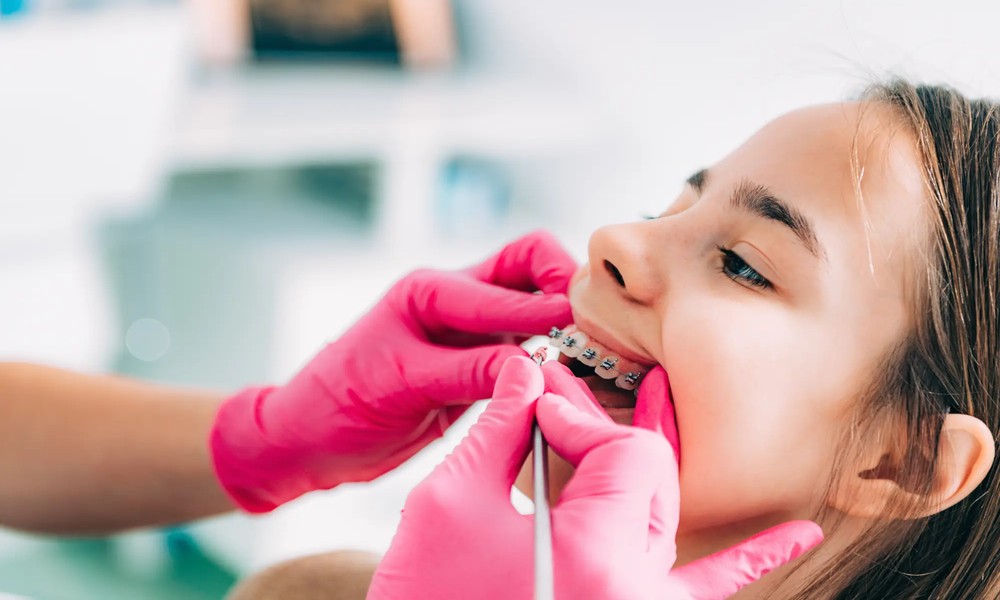
Healthy teeth do more than help you eat. They shape how you speak, smile, and relate to your family. When you care for your mouth early, you protect your children and even your aging parents. Preventive dentistry gives you a simple plan. You stop problems before they grow painful or costly. You avoid panic visits and long treatments. Instead, you build steady habits that carry through every stage of life. A dentist in West University Place, TX can guide you with cleanings, exams, and honest advice that fits your daily routine. You learn what to do at home. You learn what to watch for in your child’s mouth. You also learn how aging changes teeth and gums. With clear steps, you keep your smile strong. You also help your family do the same. This blog shares four proven ways preventive care protects every generation.
1. You stop cavities before they threaten your health
Cavities start small. They grow in quiet spots between teeth or along the gumline. You often do not feel them until the decay reaches the nerve. By that point, you may need a root canal or an extraction. Preventive care catches decay early and keeps it from spreading.
Regular checkups and cleanings remove sticky plaque and hard tartar. These layers feed the germs that break down tooth enamel. When you remove them often, you cut the chance of new holes in your teeth. You also give your dentist a clear view of any weak spots.
You protect yourself and your family when you follow three simple steps.
- Brush twice a day with fluoride toothpaste
- Clean between teeth every day with floss or interdental brushes
- Visit your dentist for exams and cleanings on a steady schedule
The Centers for Disease Control and Prevention explains how community steps, like water fluoridation, lower decay across all ages.
2. You build strong habits for children, teens, and adults
Habits shape oral health. When you act early, you give your child a pattern that can last for life. When you reset your own habits, you protect yourself and set a quiet example.
You can use preventive visits to teach skills to every age group.
- Young children learn how to brush for two minutes and how to spit, not swallow, toothpaste
- Teens learn about sugar, sports drinks, and the risks of vaping or tobacco
- Adults learn how stress, grinding, and dry mouth affect teeth and gums
Your dentist can show you simple brushing and flossing methods. You can then repeat the same steps at home with your child. You keep directions clear. You keep routines short and honest. You also use praise instead of fear.
The American Dental Association offers easy brushing and flossing guides for families.
3. You save money and time with early care
Preventive visits feel small. A cleaning, an exam, and simple X-rays may seem easy to delay. Yet skipped visits often lead to larger problems. You may face deep decay, broken teeth, or gum disease that needs surgery.
Early care often costs less than treatment for advanced disease. It also takes less time in the chair. The table below gives a general comparison of time and cost for common dental needs. These are example ranges, not exact prices. Insurance, location, and personal needs can change the numbers.
|
Type of visit |
Typical purpose |
Approximate time per visit |
Relative cost level |
How often for most people |
|---|---|---|---|---|
|
Routine exam and cleaning |
Prevent disease and check for early changes |
45 to 60 minutes |
Low |
Every 6 to 12 months |
|
Small filling |
Treat early cavity |
30 to 45 minutes |
Low to medium |
As needed |
|
Root canal and crown |
Save a tooth with deep decay |
2 to 3 hours over 1 to 2 visits |
High |
As needed |
|
Extraction and replacement |
Remove tooth that cannot be saved |
1 to 2 hours plus follow-up |
High |
As needed |
You reduce the chance of long visits when you keep your routine exams. You also lower the need for emergency trips that may pull you away from work, school, or caregiving.
4. You protect older adults and support healthy aging
As people age, their teeth and gums face new stress. Medications can dry the mouth and raise the risk of decay. Arthritis can make brushing hard. Memory loss can disrupt daily care. Preventive dentistry helps you manage these changes with respect and patience.
You can support an older parent or partner by watching for three signs.
- New trouble chewing or swallowing
- Changes in speech or slurred words
- Red, swollen, or bleeding gums
Regular dental visits help catch gum disease and oral cancer early. They also help adjust dentures, partials, or implants so they stay comfortable. When the mouth stays healthy, older adults eat better and feel more willing to speak and smile. That supports dignity and social ties.
The National Institute of Dental and Craniofacial Research shares guidance on older adult oral health. You can use this resource to plan care with your family.
Turn small daily steps into protection for every generation
Preventive dentistry is not complex. You brush. You clean between your teeth. You limit sugary snacks and drinks. You stay tobacco-free. You keep regular appointments with your dentist.
These steps may feel simple. Yet they protect your child from painful toothaches. They help your teen keep a confident smile. They save you from urgent visits and missed work. They also help your parents stay strong enough to eat, talk, and laugh without fear.
You cannot control everything that happens to your teeth. You can still control daily habits and planned visits. When you choose steady preventive care, you guard your own health. You also give your family a gift that reaches across generations.
