

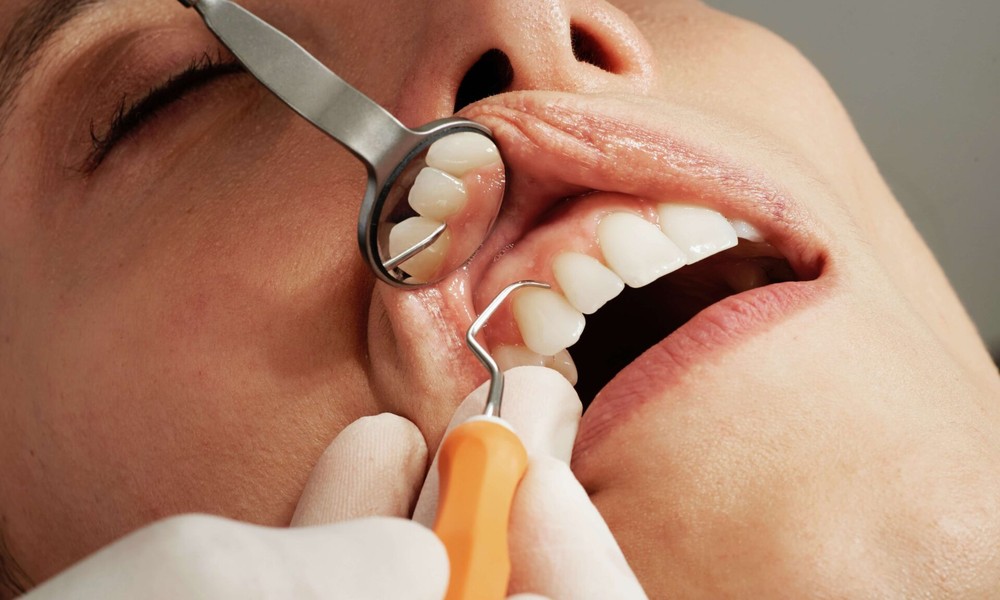
Your enamel works hard every day. It takes hits from sugar, acid, grinding, and even stress. When enamel wears down, teeth become weak. You may feel sharp pain from cold water. You may see yellow spots you cannot brush away.
This blog shares 6 clear steps general dentists use to help you protect that thin shield. You will learn how to eat, drink, clean, and check your teeth so enamel stays strong. You will also see how small daily choices can prevent deep decay and costly treatments.
Parents will find help too. Strong enamel starts early. Smithfield pediatric dental care focuses on simple habits that guard children’s teeth from the first tooth forward.
You deserve a mouth that feels calm and steady. Use these tips to lower risk, stop silent damage, and keep your bite strong for years.
1. Brush the right way with fluoride toothpaste
Enamel does not grow back. Once it is gone, it is gone. Brushing protects what you still have. It also helps your mouth heal early weak spots before they turn into holes.
Use this simple plan.
- Brush two times each day for two minutes.
- Use a soft brush. Hard bristles scrape enamel and hurt gums.
- Place the brush at a slight angle toward the gumline.
- Use small circles. Do not scrub back and forth.
- Spit out the foam. Do not rinse with water. This keeps fluoride on teeth longer.
The Centers for Disease Control and Prevention explains that fluoride helps repair early damage before it becomes decay. That small change turns each brushing into a short treatment at home.
2. Floss daily to stop hidden enamel damage
Decay between teeth often starts without a clear sign. You may not feel pain until the damage reaches the inner tooth. Floss reaches spots a brush never touches.
Use string floss or a floss pick once each day. Guide it between teeth. Then curve it into a C shape along the side of each tooth. Move it up and down a few times. Repeat for each gap.
This habit does three things.
- Removes food that feeds decay.
- Breaks up sticky film that weakens enamel.
- Keeps gums tight around teeth so acid stays away from roots.
Children can start flossing when their teeth touch. At first, you guide their hands. Then they take over as skills grow.
3. Choose enamel-safe drinks and snacks
Every sip and bite changes your mouth. Sugar and acid soften enamel for about 20 to 30 minutes. If you snack all day, enamel never gets a rest.
Use the table below as a quick guide.
|
Choice |
Effect on enamel |
Better swap |
|---|---|---|
|
Soda or sports drinks |
High sugar and acid attack enamel |
Plain water or unsweet iced tea |
|
Fruit juice |
Natural sugar and acid soften enamel |
Whole fruit with a glass of water |
|
Sticky candy |
Clings to teeth for a long time |
Dark chocolate in small amounts |
|
Frequent snacking |
Keeps mouth in a long acid attack |
Regular meals with limited snacks |
Try these three simple rules.
- Drink mainly water.
- Keep sweets with meals, not alone.
- Rinse with water after treats and citrus.
The National Institute of Dental and Craniofacial Research notes that sugar and bacteria form acid that wears enamel. When you control sugar and acid, you give enamel a chance to stay firm.
4. Use fluoride and sealants when needed
Fluoride strengthens weak spots on enamel. It also helps teeth resist acid. Many towns add a safe amount of fluoride to tap water. You can also get extra help from the dentist.
Ask about three options.
- Fluoride toothpaste for daily use.
- Fluoride rinses for higher-risk children and adults.
- Fluoride varnish painted on teeth during visits.
Sealants give more support. A sealant is a thin coat placed on the chewing surfaces of back teeth. It fills deep grooves where food and germs hide. This shield keeps acid away from enamel.
Sealants help children and teens the most. Those years are when new molars come in, and brushing skills are still growing.
5. Protect teeth from grinding and impact
Grinding and clenching put a strong force on enamel. The pressure can flatten biting surfaces and chip edges. Many people grind during sleep and do not know it.
Look for signs.
- Morning jaw tightness.
- Head pain after sleep.
- Short or worn front teeth.
If you notice these, ask about a night guard. This clear tray fits over teeth. It spreads out pressure and stops teeth from grinding against each other.
Sports also bring risk. A simple mouthguard can protect enamel from breaks during contact sports and bike rides. Children and teens who play often need this shield at every practice and game.
6. Keep regular checkups and cleanings
Enamel problems grow in silence. You may not feel a thing while a weak spot deepens. Regular visits let a dentist find trouble early when treatment stays small.
Plan for these steps.
- Visit every six months or as your dentist suggests.
- Get professional cleanings to remove hard deposits.
- Ask for a clear summary of enamel weak spots.
- Review brushing, flossing, and diet for your home plan.
Children need a first visit by age one or within six months after the first tooth comes in. Early visits build comfort and prevent fear. They also guide parents on fluoride, snacks, and thumb sucking.
Turn small steps into strong enamel
Enamel care is not complex. It is steady. Brush with fluoride. Floss once a day. Choose water and smart snacks. Ask about fluoride and sealants. Guard teeth from grinding and sports hits. Keep regular checkups.
Each step may feel small. Together, they protect your teeth through childhood, work years, and older age. Your mouth can feel steady and pain-free. Start today with one change. Then add the next. Your enamel will thank you every time you smile or take a deep, cold drink without a sting.
