

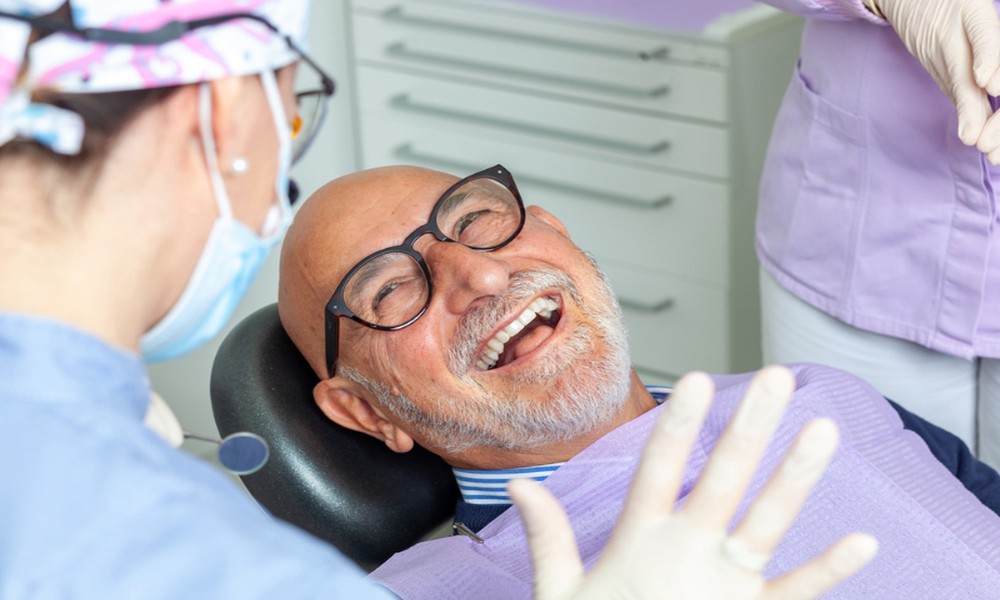
Complex dental work often starts with small problems that stay hidden. You may brush and floss, yet quiet damage can still grow. Preventive dentistry stops that damage early. It protects your mouth, your time, and your money.
This blog explains how simple habits and regular checkups lower your risk of root canals, implants, and gum surgery. It shows how early cleanings remove buildup before it hardens. It also explains how exams catch tiny cracks and weak spots before they break.
You will see how a Coral Springs periodontist views prevention as the first treatment. You will learn how food choices, home care, and professional care work together. You will also understand why skipping one visit can trigger a chain of problems.
Preventive dentistry does not just save teeth. It protects your comfort and confidence every day.
Why small dental problems grow fast
Tooth decay and gum disease start in quiet ways. A soft spot in the enamel. A red edge along the gums. You may not feel pain. You may not see clear signs in the mirror.
Then time passes. Bacteria feed on sugar from snacks and drinks. They create acid. That acid eats into enamel. Gums pull away from teeth. Pockets form. Infection moves deeper.
At that point you face stronger treatment. You may need fillings, crowns, root canals, or surgery. Early steps would have been simpler. They also would have cost less.
Core parts of preventive dentistry
Preventive care rests on three steady habits.
- Daily cleaning at home
- Regular office visits
- Smart choices with food and drink
Each part supports the others. When you keep all three strong, you lower the chance of complex work in the future.
Daily care at home
Your routine at home shapes your risk more than any single treatment. Simple steps work best.
- Brush two times each day with fluoride toothpaste
- Floss once each day to clean between teeth
- Use a soft brush and gentle strokes along the gum line
- Replace your toothbrush every three months
- Rinse with water after sweet or sticky foods
The National Institute of Dental and Craniofacial Research explains how plaque grows on teeth and how daily cleaning slows decay and gum disease.
Routine visits that prevent complex work
Checkups and cleanings give you a safety net. A dental team can see early changes that you miss. They can clean deep spots you cannot reach at home.
During a typical visit, the team may
- Check your teeth, gums, tongue, and cheeks
- Measure gum pockets to spot early gum disease
- Take X rays when needed
- Clean off plaque and hardened tartar
- Apply fluoride to harden enamel
- Place sealants on back teeth for some children
The Centers for Disease Control and Prevention show that untreated decay in children and adults remains common. They also show lower rates of decay in people who see a dentist on a regular schedule.
Food and drink choices that protect teeth
What you eat touches your teeth all day. That contact can hurt or protect them.
- Choose water instead of soda or sports drinks
- Limit candy and sweet snacks between meals
- Eat cheese, nuts, and crunchy vegetables
- Finish sweet treats in one sitting instead of all day
Each time you sip or snack, acid levels in your mouth rise. Teeth need time to recover. When you snack often, acid stays high and enamel softens.
How prevention compares with complex treatment
The table below gives a simple comparison between strong preventive habits and late treatment for common problems. Costs are sample ranges and can vary.
|
Issue |
Preventive step |
Typical complex procedure if ignored |
Time in chair |
Typical cost range (US) |
|---|---|---|---|---|
|
Early tooth decay |
Fluoride, sealants, diet changes |
Root canal and crown |
Preventive visit: 30 to 60 minutes. Complex work 2 or more visits |
Preventive 50 to 250. Complex work 1500 to 3000 |
|
Mild gum disease |
Cleaning every 6 months, home care |
Deep cleaning or gum surgery |
Preventive visit: 30 to 60 minutes. Complex work 1 to 4 visits |
Preventive 100 to 300. Complex work 800 to 6000 |
|
Small crack in tooth |
Early exam, simple filling |
Crown or extraction with implant |
Filling about 1 hour. Complex work many hours |
Filling 150 to 400. Implant with crown 3000 to 5000 |
Special role of a periodontist
A periodontist focuses on the gums and bone that hold your teeth. When you see a Coral Springs periodontist early, you can stop gum disease before it destroys that support.
That care may include
- Detailed gum exams and pocket checks
- Deep cleanings to remove hidden tartar
- Plans to improve home care tools and methods
If you wait, gum disease can lead to loose teeth, infections, and tooth loss. Then you face grafts, implants, or dentures. Early visits keep those choices from becoming your only options.
Helping children avoid future complex care
Children gain strong habits from you. When you show a calm approach to checkups, they learn that dental care is normal. That simple message lowers fear and helps them stay on a regular schedule.
For children, focus on three points.
- Start dental visits by the first birthday
- Help with brushing until they can tie their own shoes
- Limit juice and sticky snacks between meals
Strong early habits cut the chance of pain, missed school days, and complex care in the teen years.
Simple steps you can take today
You can act now to avoid complex work later. Use three clear steps.
- Schedule a checkup if it has been more than six months
- Set a fixed time each morning and night for brushing and flossing
- Swap one sugary drink each day for water
These steps look small. They carry power. Each one lowers the need for stronger treatment, keeps your mouth more comfortable, and protects your budget. When you choose prevention today, you give your future self less pain and more peace.
