

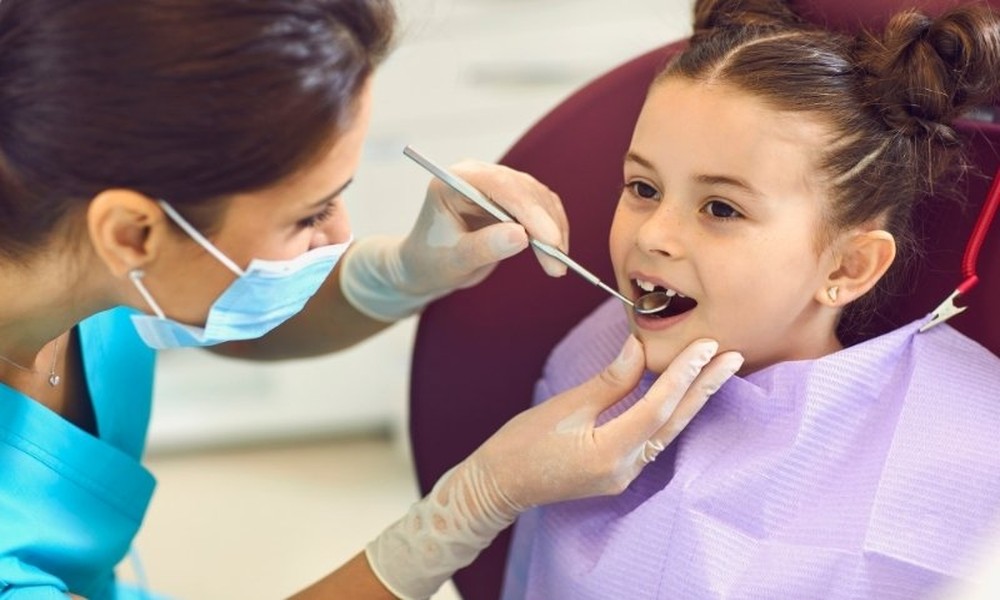
Your child’s first cleaning can feel scary. You want to protect them. You also want clear facts, not guesswork. This guide walks you through what happens during a pediatric dental cleaning, step by step, so you know what to expect before you walk in. You learn who talks to your child first. You see how the teeth get checked. You understand what tools touch your child’s mouth and why. You hear how staff manage fear and tears. If you are looking for a pediatric dentist for children in NYC, this outline helps you judge if an office treats kids with respect. You get a simple picture of each step. You can then prepare your child, ask sharp questions, and spot any warning signs. A calm parent creates a calm child. Knowledge gives you that calm.
Step 1: Check in and first contact
First, you check in at the front desk. Staff confirm your child’s name, age, and medical history. They ask about allergies and medicines. They also ask about past dental visits and any pain.
Next, a dental assistant or hygienist calls your child in. They speak to your child by name. They explain each move in plain words. They may show the chair, the light, and a small mirror. This short tour builds trust.
Then your child sits in the chair. You may stay in the room if the office allows it. Your calm voice and steady presence help your child feel safe.
Step 2: Review of health and daily habits
The hygienist asks a few direct questions. They ask how often your child brushes. They ask if you use fluoride toothpaste. They ask if your child snacks often or drinks juice or soda.
You may hear questions about thumb sucking, grinding, or mouth breathing. These habits can change how teeth grow. Honest answers help staff plan care.
Step 3: X-rays when needed
Next, staff may take dental X-rays. They use small sensors that your child bites on for a second. They place a heavy apron on your child’s body for safety.
These images show parts of the teeth that the eye cannot see. They show early decay between teeth. They also show new teeth that are still under the gums. Not every visit needs X-rays. The dentist decides based on age, risk, and past records.
Step 4: Counting and checking teeth
Then the dentist or hygienist counts your child’s teeth out loud. This simple act gives your child a clear goal and a sense of progress.
They use a small mirror and a thin probe. They look for dark spots, white spots, or chips. They check the gums for swelling or bleeding. They also look at how the top and bottom teeth meet.
The dentist records all findings in a chart. This record shows changes over time. It also guides the cleaning and any treatment plan.
Step 5: Plaque removal and deep cleaning
Now the cleaning starts. First, the hygienist removes plaque and hardened buildup from each tooth. They may use a manual tool or an ultrasonic scaler that vibrates. You hear scraping and soft buzzing sounds.
This step can feel odd for a child. Staff often describe the tool as a “tooth tickler” or “sugar bug remover.” They pause when your child needs a break. They keep water and suction in use, so your child does not feel like they need to swallow often.
Step 6: Polishing with special paste
After the buildup is gone, the hygienist polishes the teeth. They use a small rubber cup with flavored paste. The cup spins on each tooth. It removes surface stains and smooths the enamel.
The taste and sound may surprise your child. Staff often let your child choose a flavor. This small choice gives your child some control.
Step 7: Flossing between teeth
Next, the hygienist flosses between every tooth. They show how the floss curves around each tooth. They may let your child hold a mirror so they can see the motion.
This step removes trapped food and plaque that brushing misses. It also shows you and your child how firm to pull the floss without hurting the gums.
Step 8: Fluoride treatment
Then your child receives fluoride. The office may use foam, gel, or varnish. Varnish is common for younger children because it goes on fast and sets right away.
Fluoride strengthens the outer layer of the teeth. It makes teeth more resistant to acid and sugar. The dentist explains how long your child should wait before eating or drinking.
The National Institute of Dental and Craniofacial Research offers clear facts about fluoride and tooth decay in children.
Step 9: Dentist exam and talk
Now the dentist sits down at your child’s level. They review the chart and X-rays. They look in your child’s mouth again after the cleaning.
They explain what they see in plain words. They point out spots to watch. They may talk about sealants, braces, or habit changes. They invite you to ask questions. They also speak to your child directly, not only to you.
Step 10: Home care plan and next visit
Before you leave, the staff will give you a simple home plan. They cover three things. They state how often your child should brush and floss. They list drinks and snacks to limit. They set the date for the next checkup.
Most children need a cleaning every six months. Children with many cavities or special health needs may need visits more often.
Comparison: Home care and office cleaning
|
Step |
At home |
During pediatric cleaning |
|---|---|---|
|
Tooth brushing |
Soft brush and fluoride toothpaste |
Review of brushing plus powered tools for stain removal |
|
Flossing |
Floss once a day if teeth touch |
Floss between all teeth and coach on correct motion |
|
Plaque removal |
Removes soft plaque and food |
Removes soft plaque and hardened buildup from all surfaces |
|
Tooth protection |
Fluoride toothpaste and healthy snacks |
Fluoride treatment and possible sealant plan |
|
Monitoring |
Parent checks for pain or visible spots |
Dentist exam with tools and X-rays when needed |
How you can support your child before and after
You can prepare your child with three simple steps. You can tell them the visit is a tooth check and cleaning. You can read a short story about a dental visit. You can practice opening wide at home and count teeth together.
After the visit, praise effort, not bravery. Say you saw how hard they tried to stay still. Keep a steady routine of brushing twice a day and flossing once a day. Use the next visit date as a shared goal. You and the dental team work as a single unit. Your steady support makes each cleaning easier and safer for your child.
