

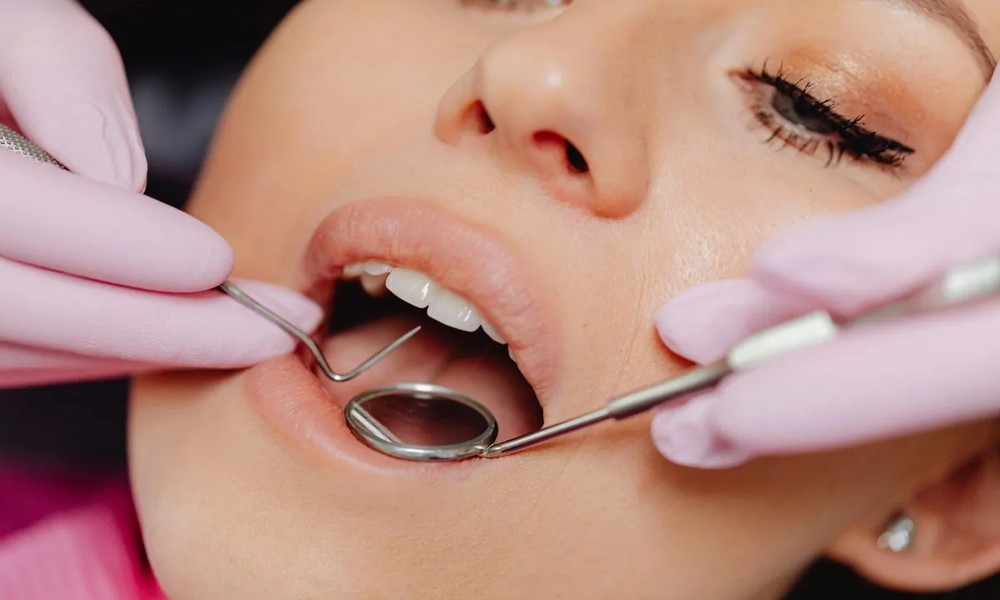
Dental implants can restore your bite and your confidence, but they are also fragile during healing. Your daily choices either protect them or put them at risk. Right after surgery, your mouth is injured tissue, exposed bone, and new hardware learning to work with your body. Pain, swelling, bleeding, and fear are common. You might feel unsure about what is safe. That confusion can lead to small mistakes that cause infection, implant failure, or more surgery. This blog gives you three simple habits that guard your new implants from day one. You will learn how to clean, eat, and rest in a way that respects your healing mouth. If you already get dental care in Scarsdale, you can use these habits with your current dentist. Each habit is clear, practical, and easy to follow at home.
Habit 1: Clean gently and often
Your implant site is a fresh wound. It needs careful cleaning. You need to keep germs away without scraping the new implant or the stitches.
First, follow your surgeon’s written plan. If something in this post conflicts with that plan, follow the plan you received at surgery. Every mouth is different.
Next, think in three steps.
- Keep the blood clot in place.
- Control germs near the site.
- Protect the gum seal as it forms.
During the first 24 hours, do not rinse or spit. Let the clot form. Use a clean cloth or gauze to control bleeding if your dentist told you to do that. Breathe through your nose. Rest your tongue away from the site.
After the first day, start gentle rinsing. Use warm salt water. Mix one cup of warm water with a small spoon of salt. Let it sit in your mouth. Then let it fall out into the sink. Do not spit hard. Do not use mouthwash with alcohol unless your surgeon says it is safe.
Then, keep brushing the rest of your teeth. Use a soft brush. Move slowly near the implant. At first, avoid the stitches. When your dentist says it is time, you can brush closer to the implant and use special brushes or floss made for implants. The goal is simple. You want clean teeth and gums near the site so germs stay low.
You can read more about daily oral care from the National Institute of Dental and Craniofacial Research. That guide explains how brushing and flossing protect teeth and gums.
Habit 2: Eat in a way that supports healing
Food keeps your body strong. It can also hurt a new implant if you choose the wrong kind or chew on the wrong side.
Right after surgery, avoid hot foods and drinks. Heat can increase bleeding and pain. Choose cool or room temperature foods. Good early options include yogurt, scrambled eggs, mashed potatoes, and well-cooked pasta. Avoid crunchy, sticky, or hard foods like nuts, chips, crusty bread, or candy. These can press on the implant or break the stitches.
Always chew on the side away from the implant until your dentist tells you it is safe to use both sides. Cut food into small pieces. Take your time. Put the fork down between bites. Swallow fully before the next bite. These small steps reduce pressure on the healing bone.
Water also matters. Drink enough to keep your mouth moist. Do not use a straw. The suction can pull on the blood clot and delay healing.
The table below compares common food choices during healing.
|
Food choice |
Safe in first week |
Risk to implant |
|---|---|---|
|
Yogurt, applesauce, smoothies with a spoon |
Yes |
Low |
|
Scrambled eggs, soft fish, oatmeal |
Yes |
Low |
|
Well cooked pasta, mashed vegetables |
Often |
Low to moderate |
|
Rice, small beans, ground meat |
Later, if dentist approves |
Moderate |
|
Nuts, chips, crusty bread |
No |
High |
|
Sticky candy, caramel, chewing gum |
No |
High |
Each person heals at a different pace. Your surgeon knows your medical history and bone strength. Always ask before you return to tough foods like steak or raw carrots.
Habit 3: Rest, protect, and watch for warning signs
Your body treats implant surgery like any other injury. It needs sleep, low stress, and time. You protect the work your dentist did by how you rest and how you move.
During the first few days, keep your head raised while you lie down. Use extra pillows or a recliner. This simple step reduces swelling and throbbing. It can also lower the chance of more bleeding.
Next, avoid heavy lifting and hard exercise until your dentist clears you. Intense effort can raise blood pressure and disturb the clot. Walking is fine for most people once you feel steady. Just avoid bending over for long periods.
Also, protect the implant from smoke and alcohol. Smoking slows blood flow to the gums and bone. Alcohol can irritate tissue and interact with pain medicine. If you smoke, this is a strong time to cut down or stop. Even a pause during healing can improve your odds of success.
Most implants heal without problems. Still, you need to watch for early warning signs. Call your dentist or surgeon at once if you notice these changes.
- Pain that gets stronger after day three.
- Swelling that keeps growing instead of shrinking.
- Fever or chills.
- Bad taste, pus, or foul smell from the site.
- Implant that feels loose or moves when you bite.
The American Dental Association explains that implants need healthy bone and gums to stay stable. Warning signs often show when the bone or gum is under attack. Quick action can save the implant and prevent bone loss.
Putting the three habits together
These three habits work as a set. You clean gently to lower germs. You eat soft, cool foods to reduce pressure and pain. You rest and protect the site so your body can repair the bone around the implant.
You also support your family. Children watch how adults handle pain and healing. When you follow these steps with calm focus, you show them how to care for their own mouths after any dental work.
Keep all follow-up visits. Bring a list of questions. Share any change in your health or medicines. Your dentist wants your implant to last for many years. Your habits in the first weeks give that implant its best chance to stay strong and useful.
