

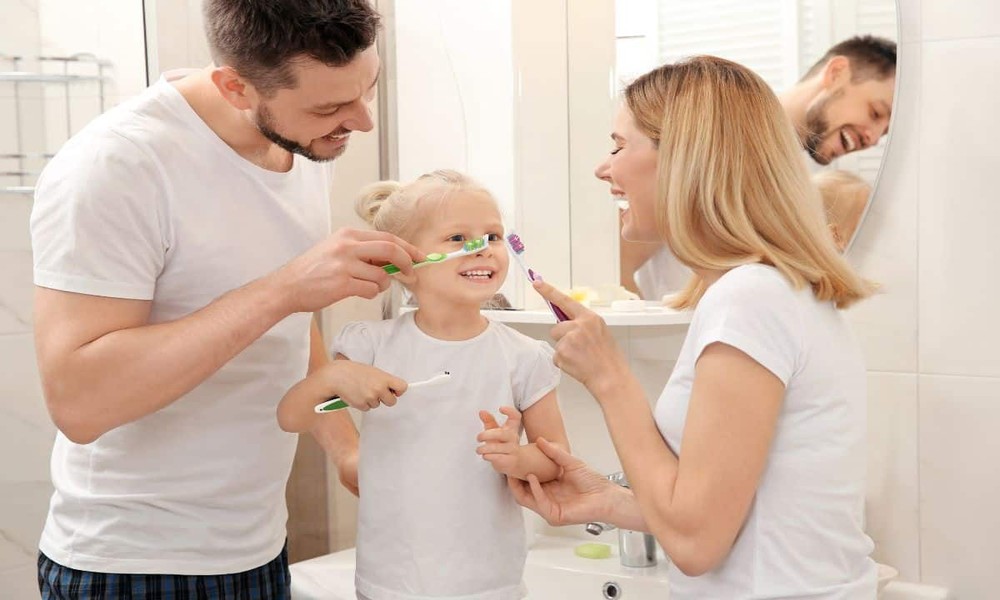
Raising a child drains you. Teaching good oral habits can feel even harder. You want your child to avoid pain, missed school, and costly fixes. You also want simple steps that fit into your packed days. Family dentistry gives you that help. Your dentist watches your child’s growth, spots problems early, and shows you how to guide brushing and flossing at home. Regular visits turn fear into trust. Your child sees clean teeth as normal, not optional. You also learn what really works. You see how food, sports, and bedtime routines affect teeth. You hear clear answers about cavities, braces, and even Harker Heights dental implants. You do not have to guess. With the right partner, you can set firm habits, protect your child’s smile, and avoid many future procedures. You gain peace of mind. Your child gains strong, lasting habits.
Why early dental visits matter for your child
Your child should see a dentist by the first birthday or when the first tooth comes in. The American Dental Association explains that early visits help prevent tooth decay and support healthy growth.
Early care does three things.
- It helps your child feel calm in the chair.
- It allows your dentist to find small problems before they grow.
- It gives you clear steps for daily care at home.
First visits are short. Your dentist checks the teeth, gums, bite, and tongue. You also talk about thumb sucking, bottles, pacifiers, and snacks. You leave with a clear plan, not a stack of vague tips.
How family dentists support daily habits at home
You spend the most time with your child. Your dentist gives you tools so you can lead daily care with confidence.
At each visit, your dentist can
- Show you how to brush your child’s teeth in two minutes.
- Explain when to start flossing and how to do it without hurting the gums.
- Suggest toothpastes with the right fluoride level for your child’s age.
- Review your morning and bedtime routines and point out small changes that help.
You then repeat these same steps at home. Your child sees the same moves and the same words from you and the dentist. That steady message makes the habit feel firm and safe.
Turning dental visits into learning moments
Each family visit can teach your child three key ideas. Teeth matter. Care is normal. You are in control.
You can ask your dentist to
- Let your child hold the mirror and look at the teeth.
- Explain what each tool does in clear, simple words.
- Show plaque on the teeth and then clean it so your child sees the change.
These steps turn the office into a classroom. Your child learns that brushing is not a rule from you. It is a way to keep the mouth clean and strong. That shift from “because I said so” to “because it helps you” is powerful.
Food, drinks, and sports: simple choices that protect teeth
Family dentists also guide you through daily choices that often cause silent damage. The Centers for Disease Control and Prevention report that cavities are one of the most common chronic conditions in children.
Your dentist can walk through three main parts of your child’s day.
- Meals and snacks
- Drinks
- Sports and play
You learn which snacks stay on teeth longer, how often juice is safe, and when to use a mouthguard. You also learn that timing matters. A sugary snack once with a meal is less harmful than small sugary snacks all day.
Comparing home care alone and home care with family dentistry
The table below shows how routine home care compares with home care plus regular family dental visits. The details are general, yet they show how a dentist adds structure and support.
|
Topic |
Home Care Only |
Home Care + Family Dentistry |
|---|---|---|
|
Brushing and flossing habits |
Methods vary. You rely on guesswork and online tips. |
Methods match what your dentist shows. Your child hears the same steps at home and in the office. |
|
Finding problems early |
Problems appear when your child feels pain, or you see damage. |
Problems often show during exams and X-rays before pain starts. |
|
Food and drink choices |
You may not know which snacks or drinks hurt teeth most. |
Your dentist reviews your child’s diet and suggests simple swaps. |
|
Fear of the dentist |
Visits are rare and stressful. Your child may fight or cry. |
Visits are regular and calm. Your child builds trust with the same team. |
|
Long term costs |
Higher chance of emergency visits and large treatments. |
Greater chance of small, planned treatments and fewer surprises. |
Using family dentistry to handle common challenges
Some struggles are common. You are not alone if you face them.
- Your child refuses to brush.
- Your child chews on the toothbrush.
- Your child gags on toothpaste.
- Bedtime turns into a battle over the sink.
Your family dentist can show you step by step what to do. You can practice a “knee-to-knee” position with younger children. You can try smaller toothbrush heads or different toothpaste flavors. You can also ask your dentist to talk directly with your child about why brushing matters. Children often listen when a trusted adult repeats their message.
Planning for growth, braces, and future treatment
Teeth change fast as your child grows. A family dentist tracks this change visit by visit. You hear early if crowding, overbite, or other issues may need braces. That early notice gives you time to plan.
If your child ever needs more complex work as a teen or adult, such as crowns or Harker Heights dental implants, your long term record helps guide safe treatment. Your dentist already knows your child’s history, habits, and comfort level. That history reduces shocks and supports steady care over time.
Practical steps you can start today
You can begin now with three simple moves.
- Set a firm schedule. Brush for two minutes twice a day. Floss once a day when teeth touch.
- Choose one small food change. Replace one sticky snack with cheese, nuts, or fresh fruit.
- Schedule or confirm your next family dental visit. Treat it like any health checkup.
Each visit then builds on these moves. Over time, you create a steady rhythm. Your child learns that caring for teeth is as normal as washing hands or buckling a seat belt. That steady rhythm protects health, lowers stress, and keeps more choices open for your child’s future smile.
