

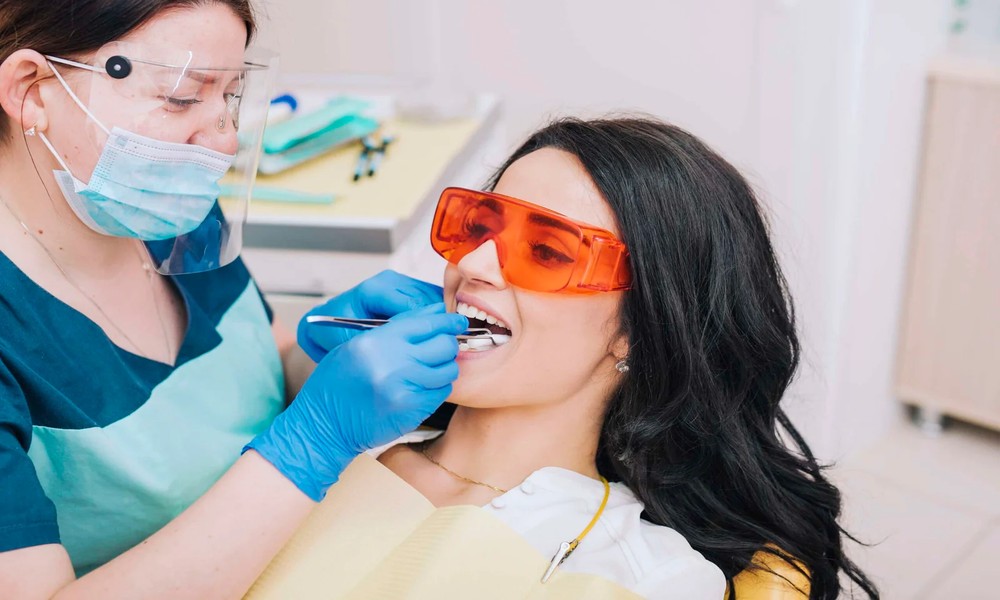
Cosmetic dentistry is not only about looks. It can also support your everyday checkups and cleanings. When you fix worn, chipped, or stained teeth, you make it easier to keep your mouth clean and healthy. You also gain trust in your smile. That trust often makes you more likely to show up for routine visits and follow home care instructions. You protect your investment. You also protect your gums, jaw, and bite. These changes can matter for every age. They support you, your partner, and your kids. If you already see a children dentist in Ann Arbor, MI, you know how early care shapes habits. Cosmetic steps can build on that care. They can turn stressful visits into simple ones. They can turn daily brushing into a stronger habit. This blog will show four clear ways cosmetic dentistry can support routine care.
1. Cosmetic care can make brushing and flossing easier
Crowded, chipped, or uneven teeth trap food. They create tight spots that your brush and floss cannot reach. You work hard at home, yet plaque still builds up. That leads to decay and sore gums.
When you use cosmetic care to smooth or align teeth, you remove many of those traps. You create simple shapes that are easier to clean.
You may see this when you choose
- Bonding to fill small chips
- Tooth reshaping to smooth rough edges
- Aligners or braces to straighten crowded teeth
After these steps, your daily care often takes less time. You use fewer fast, painful moves with floss. You see less bleeding and swelling. That makes it easier to stick with a routine for years.
2. Cosmetic changes can support gum health
Your gums are the base for your teeth. When teeth sit at strange angles or have deep stains, plaque sticks near the gumline. Over time, that can cause gum disease.
Cosmetic care can reduce that risk. When your dentist evens edges, closes small gaps, or replaces worn fillings that show in your smile, you gain cleaner lines around your gums. That makes professional cleanings more effective. It also makes home care more accurate.
Routine cleanings and exams are still essential. The Centers for Disease Control and Prevention explains how plaque and germs lead to gum disease and tooth loss in adults. You can read more at the CDC oral health page here https://www.cdc.gov/.
When you pair those routine visits with smart cosmetic steps, you often see
- Less redness along your gums
- Less bleeding during cleanings
- More stable bone and tooth support
3. A confident smile can improve your routine habits
Shame about your smile can keep you from the dentist. You may cancel visits. You may avoid talking about pain. Children can feel this weight too. They may cover their mouth or refuse photos.
Cosmetic dentistry can break that pattern. Whitening, bonding, or veneers can turn a smile you hide into a smile you show. That change often shifts how you treat your teeth.
You may
- Brush two times a day without skipping
- Floss more often because the effort feels worth it
- Keep regular checkups because you want to protect your smile
For children and teens, small cosmetic fixes can prevent teasing. That relief can reduce stress around checkups. It can build a long-term habit of showing up early, before problems grow.
4. Cosmetic treatments can reduce future dental work
Some cosmetic steps also act as shields. They can cover weak spots and prevent cracks or wear. That support can reduce emergency visits.
Common examples include
- Crowns that cover large fillings and protect the tooth
- Onlays that strengthen worn chewing surfaces
- Veneers that protect thin or chipped front teeth
These options can spread chewing forces more evenly. They can reduce the chance of sudden breaks. That means fewer urgent visits and more planned, calm checkups.
How cosmetic and routine care work together
Routine care focuses on cleaning, checking, and fixing the disease. Cosmetic care focuses on shape, color, and balance. When you blend both, you support your whole mouth.
The table below shows how common cosmetic steps can change daily care and long-term health.
|
Treatment type |
Main purpose |
Effect on daily care |
Effect on checkups |
|---|---|---|---|
|
Teeth whitening |
Lighten stains |
Motivates better brushing to keep color |
Makes plaque easier to see and remove |
|
Bonding / veneers |
Cover chips and stains |
Smoother surfaces that trap less food |
Faster cleanings with fewer rough spots |
|
Crowns |
Strengthen weak teeth |
Simple shapes for brushing and flossing |
Lower risk of cracks between visits |
|
Aligners / braces |
Straighten teeth |
Easier flossing between teeth |
Less tartar between crowded teeth |
|
Tooth reshaping |
Smooth sharp or uneven edges |
Reduces spots that catch food |
Less plaque at chip lines and corners |
What science says about appearance and oral health
Research shows a link between how you feel about your smile and how often you seek care. People who feel shame about their teeth often avoid the dentist. That can lead to more decay and tooth loss.
The National Institute of Dental and Craniofacial Research explains how regular visits, cleanings, and early care protect teeth across life stages. You can read guidance for children and adults here https://www.nidcr.nih.gov/.
When cosmetic care improves your comfort with your smile, you remove a barrier. You are more ready to schedule cleanings, X-rays, and exams. Your child may feel calm in the chair. Your teen may accept braces or aligners more easily. That emotional shift supports real health outcomes.
How to decide if cosmetic dentistry should be part of your routine care
You do not need an extreme change to gain benefits. Small, targeted steps often give the best mix of cost and health.
You can start by asking your dentist three simple questions
- Which teeth are hardest for me to clean
- Which worn or chipped spots raise my risk for future problems
- What one cosmetic step could make home care easier right now
Then you can talk about timing. Some families choose to add cosmetic work during planned visits. Others combine cosmetic care with needed fillings or crowns to limit extra visits.
You deserve a smile that works well and feels safe. When you use cosmetic dentistry in a smart way, you support that goal. You make daily care simpler. You make checkups calmer. You give your child a stronger start.
