

You might be feeling a little uneasy about your teeth right now. Maybe nothing hurts yet, but you have a nagging thought in the back of your mind. You keep wondering if something is quietly getting worse without you knowing, and whether options like clear aligners for teeth in Kamloops might be part of the solution. You are busy, appointments are easy to put off, and because there is no sharp pain, it feels safe to wait.end
Then there is the “after” that many people know too well. A sudden toothache in the middle of the night. A broken tooth during a workday. A dentist explaining that what could have been a small fix months ago has turned into a root canal or even an extraction. The cost is higher, the stress is heavier, and you may wish you had gone in sooner.
Here is the good news. General dentistry for early problem detection is designed to catch issues long before they become painful emergencies. Regular visits are not just about cleaning. They are quiet checkups on your future comfort, your wallet, and your peace of mind. In simple terms, routine dental care can spot early tooth decay, gum disease, and even signs of oral cancer while everything still feels “fine” to you.
So where does that leave you? If you have been putting things off, you are not alone, and you are not too late. You can still use what general dentists do every day to stay ahead of painful problems instead of chasing them.
Why do dental problems stay silent for so long?
It can feel unfair. You brush, you rinse, maybe you even floss most days, yet your dentist finds a cavity you never felt. Or you hear phrases like “early gum disease” or “we should watch this spot” when you thought everything was normal. It makes you wonder what is going on inside your mouth that you cannot see or feel.
The truth is, many dental problems start out quietly. Early tooth decay often only affects the outer layer of the tooth. The nerves are deeper inside, so you may not feel anything until the damage grows. According to the National Institute of Dental and Craniofacial Research, tooth decay is one of the most common chronic conditions, yet it is often painless at first. You can read more about how cavities form and progress from the NIDCR’s overview of tooth decay and dental caries.
The same is true for gum disease. Gums can be red, slightly swollen, or bleed a little when you brush, and still not hurt. Many people ignore these early signs because there is no real discomfort, but this is exactly when a general dentist can step in and keep things from getting serious.
Because of this quiet start, problems grow in the background. By the time you feel pain, more of the tooth or bone may already be damaged. That is why a trusted general dentist focuses so strongly on prevention and early detection. The goal is to find the trouble while it is still small and easy to treat.
Way #1: Careful clinical exams that see what you do not feel
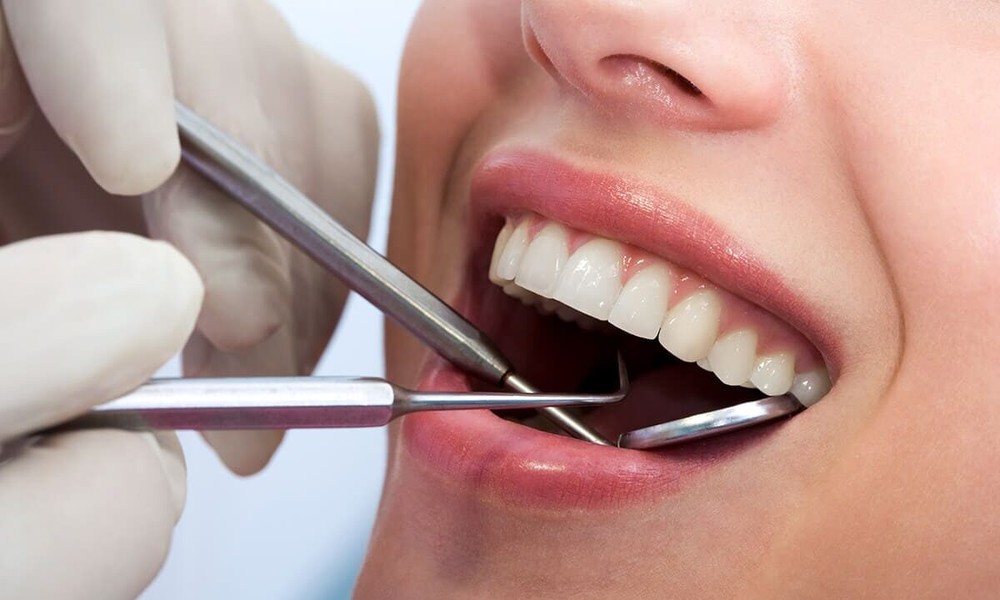
Think of your regular exam as a calm, methodical inspection of your mouth. Your dentist is not just looking for obvious holes in teeth. They are checking your entire oral system. Teeth, gums, tongue, cheeks, jaw joints, and how your bite comes together.
During a clinical exam, a general dentist can spot:
• Tiny pits or soft spots on teeth that signal early decay.
• Gums pulling away from teeth, which can hint at bone loss.
• Wear patterns that show you might be grinding or clenching at night.
• Changes in color or texture in the soft tissues, which can be early warning signs of oral cancer.
That last point is important. The American Dental Association has reaffirmed how important clinical exams are for early detection of oral cancer and potentially cancerous changes in the mouth. Regular exams give your dentist a chance to notice subtle changes over time, which is often how early cancer is picked up. You can see more about this in the ADA’s update on the importance of clinical exams for early oral cancer detection.
None of this depends on you being in pain. It depends on someone trained to notice small shifts before they turn into big problems. That is the quiet power of a routine exam.
Way #2: Dental X‑rays that reveal hidden problems
You cannot see between your teeth or inside your jawbone in the mirror. That is where X‑rays come in. They help your dentist spot problems that are completely invisible to the eye.
With X‑rays, a general dentist can detect:
• Cavities between teeth that look perfect from the outside.
• Decay under old fillings or crowns.
• Bone loss around teeth from gum disease.
• Impacted or poorly positioned wisdom teeth.
• Infections at the root of a tooth before you feel that deep, throbbing ache.
Many people worry about radiation, which is understandable. The doses used in modern dental X‑rays are very low, especially with digital systems, and your dentist will only recommend them as often as needed for your situation. The tradeoff is that they can prevent painful emergencies and costly treatments by exposing trouble while there is still time to fix it gently.
So when your dentist suggests updated X‑rays, they are not just checking a box. They are trying to give you a clearer picture of your health than the mirror can provide.
Way #3: Gum evaluations and oral cancer screenings that protect your future
When you think about preventive general dentistry, you might picture teeth cleaning and polishing. That is part of it, but a careful dentist is also watching your gums and soft tissues closely.
During a gum evaluation, your dentist or hygienist measures the spaces between your teeth and gums. These measurements help show whether the supporting bone is healthy or starting to break down. Early gum disease is often painless, yet it is a leading cause of tooth loss in adults. Catching it early means it can often be reversed or controlled with cleaning and home care, long before you face loose teeth or expensive surgeries.
At the same time, many general dentists perform a quick oral cancer screening during routine visits. They look and feel for any unusual lumps, bumps, or color changes. It might feel like a few extra seconds of checking, but it can make a huge difference if something serious is starting.
So, where does all this leave you when you are deciding whether to schedule a visit?
Is it really worth going in before something hurts?
It is easy to think, “I will call when I feel something.” Pain feels like a clear signal, while prevention feels optional. To make the choice clearer, it can help to compare what happens when you wait for pain versus when you keep up with routine care.
| Situation | Waiting for Pain | Regular General Dentist Visits |
|---|---|---|
| Tooth decay | Often found when the cavity is large, may need a big filling, root canal, or crown | Often found when very small, usually treated with a simple, smaller filling |
| Gum disease | May not notice until gums are very sore or teeth feel loose, treatment can be more involved | Early signs spotted during cleanings, managed with scaling, improved home care, and monitoring |
| Costs over time | Fewer visits at first, but larger, more expensive treatments when problems surface | More routine checkups, but smaller issues treated early, usually at lower cost per visit |
| Stress level | Higher, because problems often appear suddenly and may disrupt work or sleep | Lower, because changes are usually caught gradually and addressed with a plan |
| Long‑term tooth health | Greater risk of extractions and complex procedures | Better chance of keeping natural teeth healthy for many years |
When you see it side by side, prevention is not just a health choice. It is also a financial and emotional one. You trade a bit of time now for a lot less worry later.
Three steps you can take right now to stay ahead of dental pain
1. Schedule your next exam, even if everything feels “fine”
If it has been more than six to twelve months since your last visit, pick a day and call a general dentist in your area. You do not need a specific complaint to justify the appointment. You can simply say you want a checkup and cleaning to make sure there are no silent problems starting.
When you are there, be honest about any small concerns. Occasional sensitivity. Bleeding when you floss. A rough spot on a tooth. These small details help your dentist focus on what matters most for you.
2. Ask your dentist how often you personally need X‑rays and gum checks
Everyone’s mouth is different. Instead of guessing, ask your dentist to explain your risk level for cavities and gum disease, and how often they recommend X‑rays and periodontal evaluations for you. A clear schedule helps you feel more in control. It also means you are using early detection in a thoughtful way, not just reacting when something hurts.
If anything in their explanation feels confusing or rushed, it is okay to ask them to slow down or repeat it in simpler terms. You deserve to understand what is happening with your own health.
3. Strengthen your daily routine so your visits stay simple
What you do at home plays a quiet but powerful role in how much work needs to be done in the dental chair. A few small habits make early detection even more effective, because there is less damage forming between visits.
Focus on the basics. Brush twice a day with fluoride toothpaste. Floss or use another tool to clean between your teeth once a day. Pay attention to any bleeding or persistent bad breath, and mention it at your next appointment. These habits make it easier for your dentist to keep problems small and manageable.
Moving forward without waiting for a crisis
You do not have to wait for a sleepless night of tooth pain to take your mouth seriously. With thoughtful general dental care, many problems can be found when they are still quiet, small, and simple to treat. That means less fear, fewer surprises, and a much better chance of keeping your natural teeth strong and comfortable.
You may still feel a little nervous about picking up the phone or booking online, especially if it has been a long time. That is okay. You are allowed to feel that and still choose to move forward. The most important step is the next one. Reach out to a general dentist, schedule an exam, and use their training to protect yourself from the problems you cannot yet feel.
Your future self, the one who is not waking up at night with a throbbing tooth, will be grateful you did.
