

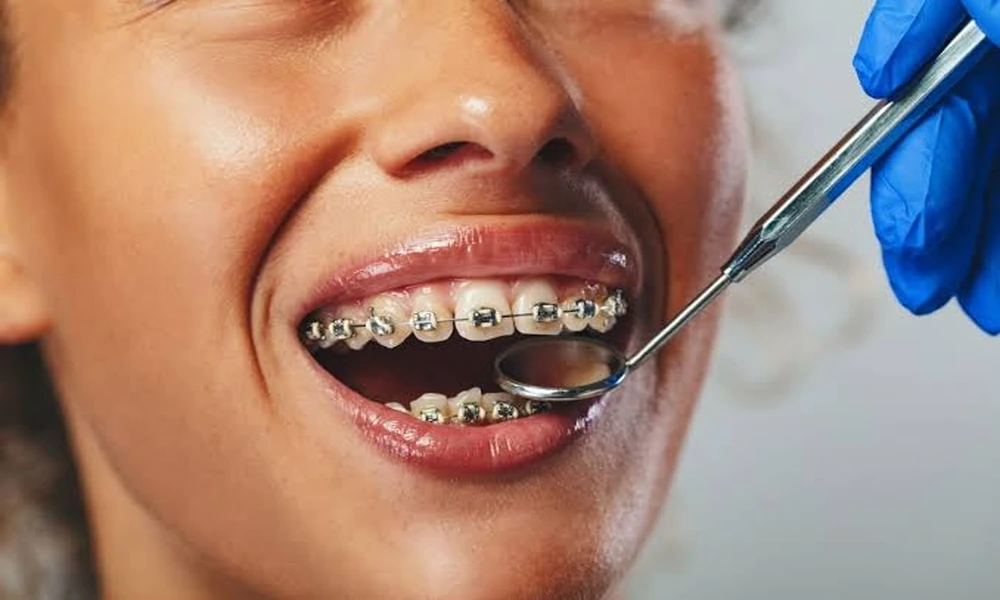
You might be wondering how everything with your child’s mouth connects. You bring them in for cleanings to a dentist in LA, you try to keep up with brushing and flossing, and now someone is mentioning braces, early orthodontic visits, or “jaw growth.” It can feel like a lot. You might be asking yourself whether all this preventive care really affects whether your child will need braces or how long treatment will take.end
That worry is completely understandable. Most parents are trying to balance time, money, and their child’s comfort. Because of this tension, you might wonder if preventive dentistry is “optional” and orthodontics is what really fixes things later. The truth is, preventive care and orthodontic results are tightly linked. Good prevention can reduce future treatment, shorten it, and make it more predictable. Poor prevention can do the opposite.
In simple terms, regular checkups, cleanings, and early guidance help teeth grow into healthier positions, protect enamel, and keep gums strong. All of that gives braces or aligners a better foundation to work with. When preventive care is ignored, orthodontics often becomes more complicated, more expensive, and more stressful.
How does early prevention shape your child’s future smile?
Think about your child’s mouth as a construction site. Preventive dentistry is the planning, the soil testing, and the steady maintenance. Orthodontics is the careful building and alignment. If the early planning is rushed or skipped, the building phase becomes harder and sometimes less stable.
The American Academy of Pediatric Dentistry recommends regular exams, cleanings, fluoride, and guidance from infancy through adolescence. You can see their schedule and recommendations in their policy on periodic preventive dental services. These visits are not just about counting teeth. They are about watching how the jaws grow, how baby teeth are lost, and how adult teeth are coming in.
When those early visits are missed, several things can happen.
Cavities in baby teeth can cause pain, infection, or early tooth loss. If a baby tooth is lost too soon, the neighboring teeth can drift into the empty space. Later, when the adult tooth tries to come in, there is not enough room. This can lead to crowding, twisted teeth, or teeth that stay stuck in the bone. What started as a small cavity can grow into a bigger orthodontic problem.
On the other hand, preventive care can support a smoother path. Fluoride, sealants, and regular cleanings protect baby and adult teeth so they stay where they belong. Guidance on thumb sucking, pacifier use, and mouth breathing protects jaw growth. That is why the AAPD emphasizes perinatal and infant oral health care. The habits and support in the first years can change how the jaws develop.
So where does that leave you with orthodontics? A child who has had steady preventive care often has less decay, stronger gums, and more stable baby teeth. This gives the orthodontist clearer options. Sometimes that means waiting for the right growth spurt. Sometimes it means using simple appliances instead of more complex treatment. The connection is quiet but powerful.
What happens when preventive care and orthodontics work together?
Preventive dentistry and orthodontic treatment are not separate paths. They are two sides of the same plan. A general dentist and orthodontist who communicate can monitor the “developing dentition” together. The AAPD has a specific guideline on management of the developing dentition and occlusion, which is exactly about this partnership.
Imagine two different children.
Child A sees a dentist regularly starting around age one. Cavities are treated quickly. Fluoride and sealants are used. The dentist notices a thumb sucking habit at age three and helps the parents gently phase it out. At age seven, there is an orthodontic screening. A small early expander is used to guide jaw width. When braces are finally placed as a teen, the teeth are healthy, the roots are strong, and there is enough space. Treatment is steady and finishes on time.
Child B sees a dentist only when there is pain. Several baby molars are removed early because of large cavities. No space maintainers are used. The child also breathes through the mouth at night, but no one has looked closely at it. By age eleven, adult teeth are crowded and some are blocked out of the arch. Gums are inflamed. Orthodontic treatment is still possible, but it may need extractions, longer time in braces, and more effort from the child and parents.
Both children can have a good outcome, but the path is very different. Preventive care does not guarantee a “perfect” smile, and orthodontics cannot magically erase years of neglect. Together, though, they give your child the best odds of a healthy, stable bite and a confident smile.
Preventive care vs “wait and see” for orthodontic results
You may still be wondering how much difference this really makes in daily life. The comparison below can help you see how consistent prevention supports strong orthodontic treatment results compared to a more reactive “wait until there is a problem” approach.
| Aspect | Consistent Preventive Dentistry | “Wait and See” Approach |
|---|---|---|
| Cavities and gum health | Fewer cavities, healthier gums, easier to place and manage braces | More decay, gum inflammation, higher risk of delays or pauses in treatment |
| Baby tooth loss and spacing | Baby teeth protected, space preserved, adult teeth more likely to erupt in better positions | Early loss of baby teeth, drifting, higher chance of crowding and impacted teeth |
| Orthodontic treatment length | Often shorter and more predictable, fewer surprises | Often longer, may require extractions or complex appliances |
| Financial impact over time | More small, planned preventive costs, lower risk of major emergency or redo work | Fewer early visits, but higher chance of costly restorative and extended orthodontic care |
| Emotional stress for child and parents | Gradual, familiar care, child builds trust and habits over time | Care often linked to pain or crisis, more anxiety and resistance |
Seeing it side by side, you can understand why dentists and orthodontists emphasize the connection between preventive care and orthodontics. Prevention is not just about avoiding fillings today. It is about smoothing the road for treatment tomorrow.
Three practical steps you can take right now
1. Commit to a regular preventive schedule
If your child already sees a general dentist twice a year, you are on the right track. Stay consistent. If visits have been irregular, start fresh and book the next checkup. Ask the dentist to review cavity risk, fluoride use, sealants, and brushing technique. Keeping teeth and gums healthy gives any future orthodontic work a stronger base.
2. Ask directly about growth, habits, and alignment
At your next visit, ask the dentist what they see in terms of jaw growth, spacing, and habits like thumb sucking or mouth breathing. You do not need to know all the terms. A simple question like “Is there anything we should be doing now to help how the teeth and jaws grow?” opens the door. If your child is around age seven or older, ask whether an orthodontic evaluation would be helpful. Early information is not a commitment. It is a chance to plan.
3. Create home routines that support future orthodontic success
Daily habits matter as much as office visits. Help your child brush twice a day with fluoride toothpaste and floss once a day. Limit constant snacking and sugary drinks. If you notice chronic mouth breathing, loud snoring, or long-term thumb or pacifier use, mention it to your dentist. These simple steps protect enamel, reduce gum problems, and support better orthodontic care outcomes later.
Moving forward with more clarity and less stress
You do not have to choose between preventive dentistry and orthodontics. They are partners. By focusing on prevention now, you lower the chances of surprise, pain, and complicated treatment later. You also give your child a sense that their mouth is something to care for, not fear.
Even if you feel late to the game, it is not too late to start. Each visit, each new habit, and each question you ask builds a safer path toward a healthier smile and smoother orthodontic results.
