

You might be feeling a little self conscious every time you smile. Maybe you cover your mouth in photos, avoid laughing too hard, or tell yourself you will deal with your teeth “when things calm down.” At the same time, you might also feel nervous about going to a cosmetic dentist for Invisalign in Livermore, worried about cost, pain, or being judged for waiting this long.end
If that sounds familiar, you are not alone. Many people sit in this uncomfortable middle space. They want a healthier, more confident smile, yet they feel overwhelmed by all the options and dental words that sound more confusing than helpful.
The good news is that the most common cosmetic dental treatments are actually quite simple once someone explains them in plain language. This guide walks through 4 common cosmetic dental treatments explained simply. You will see what each one does, when it is used, what it feels like, and how it might fit into your life and budget. By the end, you will have a clear sense of which options are worth asking your dentist about, and you will feel more prepared for that first conversation.
Why do my teeth bother me so much, and what can actually be fixed?
For many people, it starts small. A chipped tooth. A dark stain that will not brush off. A silver filling that shows when you laugh. Over time, these “little things” start to add up and you begin to feel that your smile no longer matches who you are.
The problem is that cosmetic concerns are rarely just cosmetic. They can affect how you speak up in meetings, how you show up on dates, and even how you feel about yourself when you look in the mirror. That emotional weight is real, and it can be heavy.
On top of that, you might be thinking about money, worry about pain, or feel unsure if a treatment is “really necessary.” Because of this tension, you might wonder if you should just live with it.
Here is the key idea. Many cosmetic treatments also protect and strengthen teeth. They do not just make teeth look better. They often make them healthier and easier to care for. Cosmetic dentistry is not all or nothing. It can be one small step at a time.
What are the 4 most common cosmetic dental treatments?
Cosmetic care can get very advanced, but most people start with a few familiar options. Think of these as building blocks for a healthier, more confident smile. Together they form the heart of simple cosmetic dental options that almost any general and cosmetic dentist can offer.
1. Tooth colored fillings to repair cavities and small chips
Tooth colored fillings are used to repair a cavity or small broken area on a tooth. In the past, fillings were often silver, so they were easy to see when you smiled or laughed. Today, most dentists use a white resin that blends with your natural tooth color, so the repair is harder to notice.
The process is straightforward. The dentist removes the decayed part of the tooth, cleans the area, places the filling material, and shapes it so it feels natural when you bite. When done well, a filling can stop pain, prevent the cavity from spreading, and restore the look of your tooth.
If you want the science behind it, you can read more about different types of fillings from the National Institute of Dental and Craniofacial Research on their page about dental fillings.
2. Dental bonding to fix chips, gaps, and uneven edges
Bonding uses the same type of tooth colored resin as fillings, but for cosmetic shaping rather than only cavity repair. It is often used for front teeth.
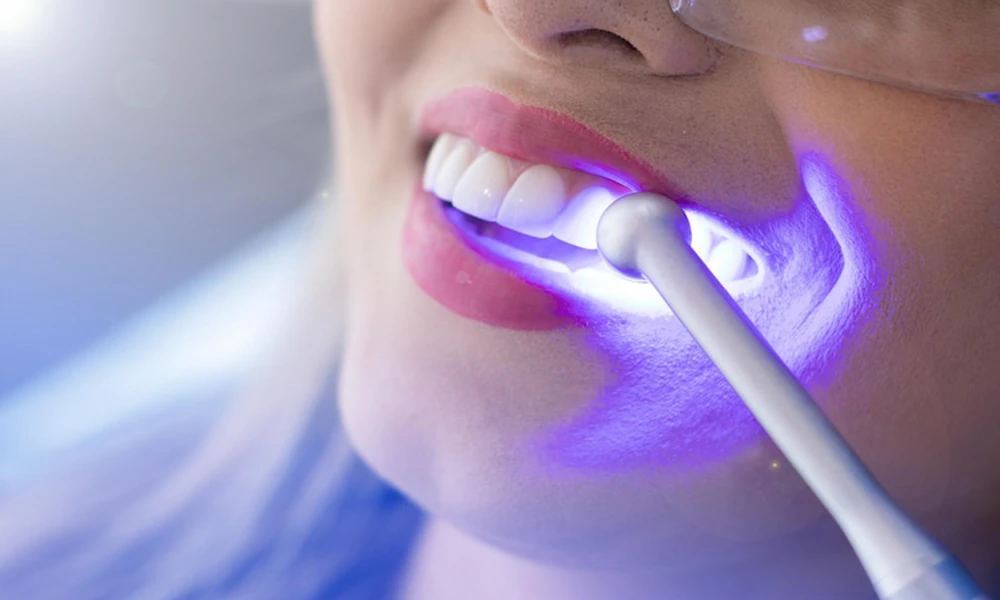
Your dentist roughens the surface of the tooth slightly, applies the bonding material, then sculpts it to fill a chip, close a small gap, or even out a short tooth. A special light hardens the material. In many cases, you walk out with a more even smile in one visit.
People like bonding because it is usually quicker and more affordable than porcelain veneers, and it often does not require removing much healthy tooth structure. It can be a gentle first step into cosmetic dental treatment if you are feeling cautious.
3. Teeth whitening to brighten stains and discoloration
Whitening is one of the most requested cosmetic treatments, because it can change how your smile looks without changing the shape of your teeth. Coffee, tea, red wine, smoking, and simple aging can all darken teeth over time. Even if you brush well, stains can build up.
There are many ways to whiten. Toothpastes with whitening ingredients. Store bought strips or trays. In office whitening done by your dentist. The main difference is strength and control.
The American Dental Association has helpful guidance on the options and safety of teeth whitening. It is worth a look if you have sensitive teeth or existing dental work, since not every product is right for every person.
Professional whitening usually costs more than store products, yet it can give faster and more predictable results, especially if you have deeper stains. A good dentist will also talk with you about realistic expectations. For example, crowns and fillings do not whiten, so sometimes a plan needs to include both whitening and replacing old visible restorations.
4. Dental sealants and how they help both health and appearance
Sealants are thin protective coatings placed on the chewing surfaces of back teeth. They are more commonly discussed for children, but adults with deep grooves in their molars can benefit too.
While sealants are usually thought of as preventive, they can have a cosmetic effect over time. By lowering the risk of cavities in those deep grooves, they reduce the need for larger fillings later. Fewer fillings in visible areas often means a more natural looking smile for longer.
If you like clear, research based information, the National Institute of Dental and Craniofacial Research explains how sealants work and who can benefit in their overview of dental sealants.
So where does that leave you when you are trying to choose between these options or combine them in a way that makes sense for your situation.
How do these treatments compare in cost, time, and impact?
When you are stressed about your smile, it is easy to either want everything done at once or to avoid doing anything at all. A simple comparison can help you find a middle path that fits your current season of life.
| Treatment | Main Purpose | Typical Time per Tooth | Common Use | Cosmetic Impact |
|---|---|---|---|---|
| Tooth Colored Filling | Repair decay or small fractures | 30 to 60 minutes | Back and front teeth with cavities | Restores natural look, replaces metal fillings |
| Dental Bonding | Reshape and repair visible teeth | 30 to 45 minutes | Chips, small gaps, uneven edges | Instant improvement in shape and symmetry |
| Teeth Whitening | Lighten overall tooth color | 1 to 2 hours in office, or days to weeks at home | Stains from food, drinks, smoking, aging | Brighter smile, more uniform color |
| Dental Sealants | Protect from future decay | 10 to 20 minutes per tooth | Deep grooves in back teeth | Indirect. Helps preserve natural tooth appearance |
This kind of comparison is not about choosing the “best” treatment. It is about matching what bothers you most with what each option can realistically do. For example, if you hate a dark front filling, a tooth colored filling or bonding may come first. If your main concern is a dull overall color, whitening may be a better starting point.
What can you do right now to move toward the smile you want?
Feeling clearer is helpful, but you may still wonder what to actually do next. These steps can guide you without pushing you faster than you are ready to go.
1. Name the 1 or 2 things that bother you most
Stand in front of a mirror and smile the way you would in a photo. Notice what draws your eye first. A dark tooth. A chip. A color issue. Try to limit yourself to the top one or two concerns. This helps you and your dentist focus on what will make the biggest difference with the least work.
2. Schedule a conversation, not a commitment
When you contact a general and cosmetic dentist, you are not signing up for every possible procedure. You are asking for an evaluation and a plan. You can say something like, “I am interested in cosmetic options, but I need to understand timing and cost before I decide.” A good dentist will respect that and walk you through options at your pace.
3. Ask about a phased or step by step plan
Cosmetic care does not have to be all at once. You might start with needed fillings, then do whitening, then add bonding later. Ask your dentist to outline a plan in stages, including what is urgent for health and what is optional for appearance. This approach protects your budget and your peace of mind, while still moving you toward a healthier and more confident smile.
Moving forward with more confidence and less pressure
You do not need a perfect smile to have a meaningful life. At the same time, it is okay to want teeth that help you feel more like yourself. Cosmetic dentistry is not about vanity. It is often about comfort, health, and confidence showing up in the world.
Whether you start with a small tooth colored filling, a bit of bonding on a chipped edge, or a simple whitening plan, each step is progress. You are allowed to take this one step at a time, to ask questions, and to say yes only when you feel ready.
When you are ready to explore cosmetic dental treatment options that fit your life, reach out to a trusted general and cosmetic dentist and begin with a simple, honest conversation. Your smile can change, and so can the way you feel when you share it.
