

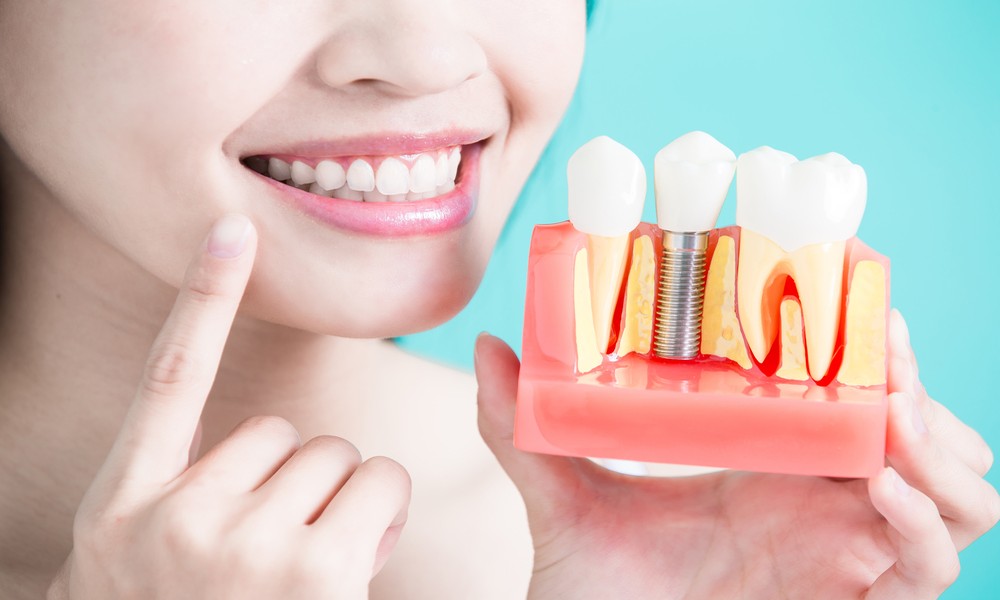
You might be thinking about dental implants because you are tired of hiding your smile, struggling with dentures, or worrying every time you chew something a little firm. At the same time, you may feel nervous about surgery, cost, and the fear of the unknown. That mix of hope and anxiety is very common, and it’s something we understand well at our Lodi dental office.
The good news is that the dental implant process usually follows a clear, predictable path. You can expect a careful evaluation, a surgery that is often easier than people imagine, a healing period, and then the moment you finally get a tooth that looks and feels natural again. This guide walks you through 5 things to expect during the dental implant process, so you are not caught off guard and can make calm, informed decisions.
So where does that leave you right now. Probably somewhere between “I want my smile back” and “I am not sure what I am getting into.” You are not alone in that space, and you deserve straight, simple answers.
1. What happens before you are even approved for a dental implant?
The process usually starts long before anyone talks about surgery dates. Your dentist or implant provider will first check whether you are a good candidate. That can feel intimidating, especially if you already worry that you have “bad teeth” or have been judged in the past. A good provider will not shame you. The goal is to understand your health, not to blame you for how you got here.
At this stage, you can expect a full exam, X‑rays, and often a 3D scan of your jaw. The dentist looks at your bone levels, your gums, and how your teeth come together when you bite. If you want a deeper medical overview of how implants work, the FDA explains the basics of dental implants and what you should know.
The “problem” here is uncertainty. You might worry they will find something that disqualifies you, like low bone density or gum disease. That fear is understandable. The truth is that many challenges can be addressed. Bone grafts can support weak areas. Gum disease can be treated. Sometimes your dentist may team up with a specialist in family and cosmetic and implant dentistry to map out a safe plan.
The solution is to treat this first step as a planning session. Ask what your options are, what the timeline might look like, and what has to be fixed first. When you understand the roadmap, the fear usually eases.
2. How does the actual implant surgery usually feel?
When people hear “implant surgery,” they often imagine severe pain or a long, dramatic procedure. That image can keep you stuck for months or years. The reality is usually more gentle than people expect.
On surgery day, you will receive local anesthesia to numb the area. Some offices also offer sedation if you are very anxious. The dentist then places a small titanium post into the bone where the tooth root used to be. Many patients report feeling pressure and vibration, not sharp pain. It is often easier than a difficult tooth extraction.
Because of this tension between imagination and reality, you might wonder how much time you will need off work. Many patients return to normal daily activities within a day or two, with some soreness and swelling that responds to over the counter pain medicine. Mayo Clinic provides a calm, medical overview of what happens during dental implant surgery if you want a step by step explanation.
The emotional challenge here is loss of control. Surgery can feel like handing your body over to someone else. One way to ease that is to ask your dentist to describe what you will feel at each stage, how long it will take, and what they will do to keep you comfortable. You do not need to be stoic. Your fear is valid, and they should be willing to answer every question.
3. What should you expect during healing and bone integration?
After the implant is placed, your jawbone needs time to bond with it. This process is called osseointegration. It sounds technical, but it simply means your bone is growing tightly around the implant so it can act like a strong artificial root.
This healing period often takes several months. During that time, you might wear a temporary tooth or go without a tooth in the back of your mouth, depending on the location. That can feel emotionally hard. You are investing time and money, yet you cannot enjoy the final result right away.
The challenge here is patience. You may worry that something is wrong if you still feel odd sensations around the area after a few weeks. Mild discomfort, a sense of tightness, or awareness of the implant can be normal early on. What is not normal is worsening pain, persistent swelling, or signs of infection. If that happens, you should call your dentist promptly. Columbia University’s dental school offers a clear patient guide to how dental implants work and heal, which can help you know what to expect.
The solution is to stay in close contact with your provider. Attend your follow up visits. Follow the cleaning and diet instructions. Ask up front what “red flag” symptoms look like so you are not left guessing at 2 a.m.
4. How do the final crown and the “new tooth” stage actually work?
Once healing is complete and your dentist confirms that the implant is stable, a small connector called an abutment is attached, and then a custom crown is made. This is the part most people imagine when they think of a dental implant tooth replacement.
The crown is shaped and colored to match your natural teeth. You will have a say in how it looks. Some people want a brighter shade. Others want it to blend in exactly. A good provider in family and cosmetic and implant dentistry will help you choose what fits your smile and your personality.
The only real “problem” at this stage is expectation. If you expect absolute perfection on the first try, you may feel disappointed by tiny differences in shape or color. It is often possible to adjust the crown for comfort or appearance. Speak up if your bite feels off or if something does not look right to you. This is your mouth, and your input matters.
5. What are the long term responsibilities and trade offs of dental implants?
Once your implant is in place, it can be easy to think the work is done. In many ways, that is true. Implants cannot get cavities, and when cared for properly, they can last for many years. But they still require daily care and regular checkups.
You will need to brush, floss, and clean around the implant just as you would a natural tooth. Gums and bone can still get inflamed if plaque is left behind. You will also want to see your dentist regularly so they can monitor the implant and surrounding tissues.
So the real question becomes this. How do the benefits and responsibilities of implants compare with other options, like bridges or dentures.
| Option | Main Benefits | Main Drawbacks | Typical Use |
|---|---|---|---|
| Dental implant | Feels and functions like a natural tooth. Helps preserve bone. Does not involve neighboring teeth. | Higher upfront cost. Requires surgery and healing time. | Single missing tooth or several missing teeth in healthy bone. |
| Fixed bridge | Faster completion. No surgery. Often lower initial cost than implants. | Requires grinding down neighboring teeth. Does not protect underlying bone. | Filling a gap when nearby teeth already need crowns. |
| Denture or partial denture | Can replace many teeth at once. Usually lowest upfront cost. | Can move while eating or speaking. May feel bulky. Bone loss often continues over time. | Multiple missing teeth or when implants are not medically or financially possible. |
Seeing the choices side by side can clarify why many people consider dental implant treatment the closest thing to getting their tooth back. At the same time, it is completely reasonable to weigh cost, time, and your comfort with surgery.
3 practical steps you can take right now
1. Write down your fears and your goals
Before your consultation, take 5 minutes to write what you are most afraid of and what you most want from treatment. For example, “I am afraid of pain” or “I want to be able to bite into an apple again.” Bring this list to your appointment. It helps your dentist focus on what matters to you, not just what shows up on an X‑ray.
2. Ask specific, grounded questions
Instead of asking, “Is this safe,” try questions like “How many implants do you place in a typical month,” “What are the most common problems you see, and how do you handle them,” and “What will my total healing timeline look like from first visit to final crown.” Clear answers reduce fear because they replace vague worry with real information.
3. Clarify cost and plan ahead for healing time
Ask for a written treatment plan that lists each stage, the fee for that stage, and what is covered by insurance, if you have it. Then look at your calendar and choose periods where you can rest after surgery. Even though many people bounce back quickly, giving yourself permission to slow down for a day or two can make the whole experience feel less stressful.
Closing thoughts as you consider dental implants
If you have read this far, it is probably because you are tired of feeling self conscious when you smile or eat. You want something stable, clean, and natural, but you do not want to walk into the unknown blindfolded. That is completely understandable.
The journey through the dental implant procedure is not always quick, yet it is usually very structured. First comes evaluation, then surgery, then healing, then the final tooth, and finally long term maintenance. At each step, you deserve clear explanations, honest conversation, and care that respects your worries as much as your X‑rays.
If you are feeling stuck, the next step is simple. Schedule a consultation with a provider experienced in family and cosmetic and implant dentistry, bring your questions, and ask them to map out your personal plan. You do not have to commit to anything on the spot. Just gather the information you need so your decision about dental implants is calm, confident, and truly yours.
