

Your mouth carries more than a smile. It carries signs of your health, your habits, and your daily stress. Regular brushing and flossing help, but they do not remove all the hard buildup that clings to your teeth and hides under your gums. That buildup traps bacteria. It slowly eats away at your teeth. It also fuels gum infection that can spread through your body. Professional cleanings remove what you cannot see and cannot reach at home. They keep small problems from turning into painful emergencies. They also give your dentist a clear view of early decay, cracks, and signs of disease. A downtown Toronto dentist uses these visits to track changes in your mouth, adjust your care, and protect your long term health. You deserve a clean mouth, steady breath, and fewer surprises in the dental chair.
What A Professional Cleaning Actually Does
A cleaning visit does three main things. It removes hard buildup. It calms swollen gums. It checks for early disease.
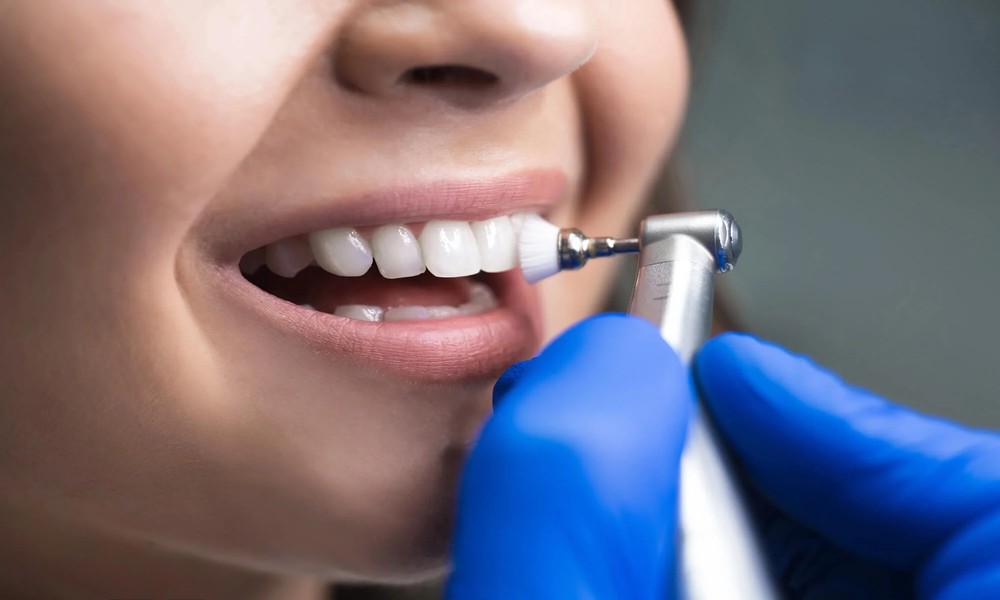
First, the hygienist scrapes off tartar that brushing cannot move. This tartar holds bacteria close to your gums. Next, the teeth get polished. This breaks up stains and smooths the surface so new plaque sticks less. Finally, the dentist checks every tooth and every part of your gums.
You may think of it as “just a cleaning.” It is not. It is a full check of your mouth. It is a chance to find trouble while it is small and cheaper to fix.
Why Home Care Is Not Enough
You brush. You floss. You still miss spots. Everyone does. Tartar forms when soft plaque hardens. Once it hardens, a brush cannot lift it.
Research shows that regular cleanings and checkups cut the risk of tooth loss and gum disease. The National Institute of Dental and Craniofacial Research explains that plaque and tartar trigger gum infection that can damage bone and teeth over time.
Cleanings reach under the gum line. They also reach deep between teeth. That is where many cavities start. Without this help, decay grows in silence.
Health Problems You Can Prevent
Skipping cleanings does more than stain your smile. It raises the risk for three main problems. Cavities. Gum disease. Painful infections.
During a cleaning visit, the team looks for:
- Soft spots that mark early cavities
- Red or puffy gums that bleed when touched
- Receding gums that show the root of the tooth
They also watch for signs of oral cancer. These can include patches, sores, or changes in tissue. The American Dental Association stresses that regular dental visits help catch these changes early.
Early care saves teeth. It also avoids long treatment plans and higher costs.
How Often You Need A Cleaning
Most people need a cleaning every six months. Some need more frequent visits. For example, you may need three or four visits each year if you have diabetes, smoke, or have a history of gum disease.
Your dentist bases the timing on three things. Your current gum health. Your cavity history. Your home care habits.
You can ask clear questions.
- How are my gums today
- How much tartar did you remove
- Do you see early warning signs
Then you and your dentist can set a schedule that fits your risk and your life.
Professional Cleaning Versus Home Care
The table below shows how home care compares with a professional cleaning.
|
Task |
Home Brushing And Flossing |
Professional Dental Cleaning |
|---|---|---|
|
Removes soft plaque |
Yes, on most tooth surfaces |
Yes, including hard-to-reach spots |
|
Removes hardened tartar |
No |
Yes, above and below the gum line |
|
Checks for cavities and cracks |
No |
Yes, every visit |
|
Checks for gum disease |
No |
Yes, with gum measurements |
|
Polishes teeth to slow new buildup |
No |
Yes |
|
Cost if done daily or yearly |
Low cost toothbrush and floss |
Moderate cost visit that can prevent major treatment |
Support For Children, Adults, And Older Adults
Every age group gains something different from cleanings.
Children gain early habits. Cleanings show kids that care is normal, not scary. Early fluoride and sealants also protect new teeth.
Adults gain control over stress, diet, and time pressure. Cleanings help limit damage from coffee, tobacco, and late-night snacking. They also help during pregnancy when hormone shifts can inflame gums.
Older adults gain support as gums recede and roots show. Many take medicines that dry the mouth. That dryness raises cavity risk. Regular cleanings and checkups catch new decay along the gum line before teeth break.
What To Expect During Your Visit
Knowing the steps can calm worry. A typical cleaning visit follows three clear steps.
- Review of your health history and any new symptoms
- Cleaning and polishing of your teeth
- Exam by the dentist and a plan for next steps
You can speak up at any point. You can ask for breaks. You can ask what tool they will use next. You gain control when you know what will happen.
Taking The Next Step For Your Mouth And Your Health
Professional cleanings keep your teeth strong. They protect your gums. They also support your heart, lungs, and blood sugar by limiting long-term infection in your mouth.
You do not need a perfect smile to start. You only need a first visit. You can call a trusted general dentist, set a cleaning, and ask for clear explanations. You can bring questions written on a small card.
Your mouth tells the story of your health. Regular cleanings help you write a calmer story with less pain, fewer surprises, and more control over your future care.
