

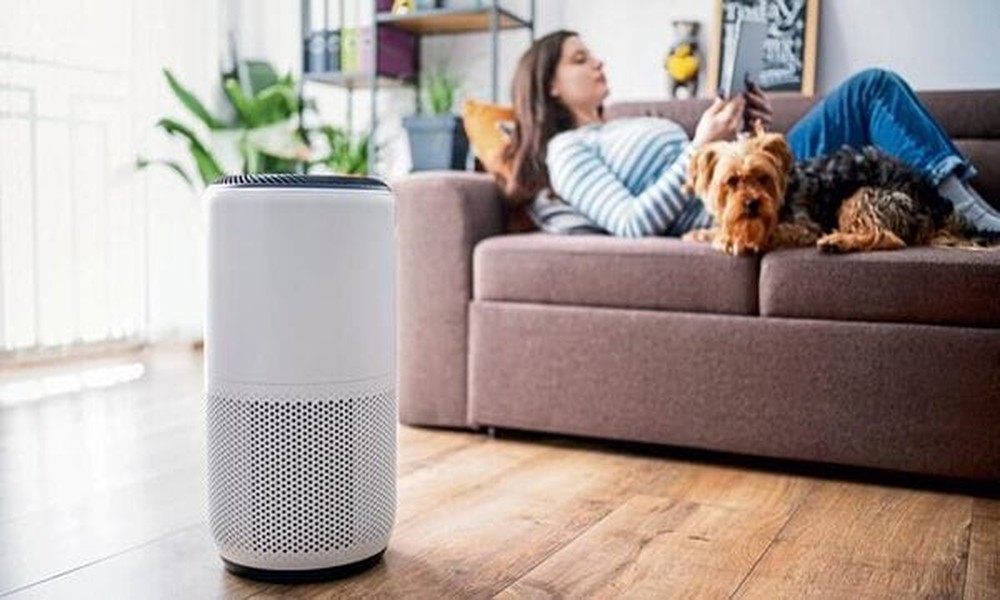
Wildfire season brings heavy smoke and fine particles. Indoor air becomes unsafe very fast. Many homes cannot block these tiny pollutants. People feel irritation and breathing stress indoors. Now indoor safety needs careful attention and planning. Data shows indoor pollution rises during nearby fires. This rise often matches outdoor smoke peaks. So indoor protection becomes a daily need.
Understanding Indoor Pollution During Wildfires
Wildfire smoke contains harmful fine particles and gases. These particles enter homes through small gaps and vents. Indoor air then mirrors outdoor pollution levels quickly. Studies show fine particles stay suspended for long periods. These particles reach deep into human lungs. Sometimes indoor levels stay high even after outdoor air clears. Poor ventilation worsens the indoor air condition further. The presence of smoke also affects sleep and comfort. Sensitive groups face stronger health effects during this time.
Data Trends and Health Impact
Wildfires increase indoor pollutants, according to research. Home monitoring equipment shows greater particle levels. These levels often surpass health limits. Long-term exposure causes respiratory problems and exhaustion. Risks are higher for children and seniors. Fine particles cause irritation. This response degrades health over time. Awareness reduces risk and improves safety. Clean indoor air improves health during such gatherings.
Role of Advanced Purification Systems
Advanced systems remove fine particles from indoor air effectively. These systems use layered filters to trap harmful pollutants. High efficiency filters capture very small particles from smoke. The system maintains stable air quality indoors. Many homes now use air purifier that helps with wildfire smoke for protection. These devices reduce particle levels and improve breathing comfort. Brands like AirDog focus on advanced filtration methods.
Features That Improve Indoor Air Safety
Modern purification systems include smart and durable features. Real time monitoring helps maintain clean indoor conditions. Quiet operation supports daily comfort and sleep quality. Energy efficient designs reduce power usage over time. Some systems use multi stage filtration for better performance. These stages capture both particles and harmful gases. So indoor air becomes cleaner and safer to breathe. AirDog offers strong airflow and consistent filtration efficiency.
Building a Safer Indoor Environment
Multiple procedures are needed to make an interior environment safe. Gaps are sealed to reduce outside smoke. Indoor air exchange is managed by controlled ventilation. Purification systems protect further. Surface particles are removed by regular cleaning. Indoor pollution prevention improves air quality. Now a combination strategy works best. Preparedness and awareness lessen exposure hazards. With reliable performance, AirDog solutions enable this strategy. Clean indoor air boosts health and comfort.
Conclusion
Indoor air is more affected by wildfire smoke than expected. Outdoor smoke is strongly linked to indoor pollution. Using advanced purifying systems works. Systems eliminate hazardous particles and improve safety. Simple measures improve indoor air quality. Be proactive to safeguard health during wildfires. Clean house air is crucial for daily health.
