

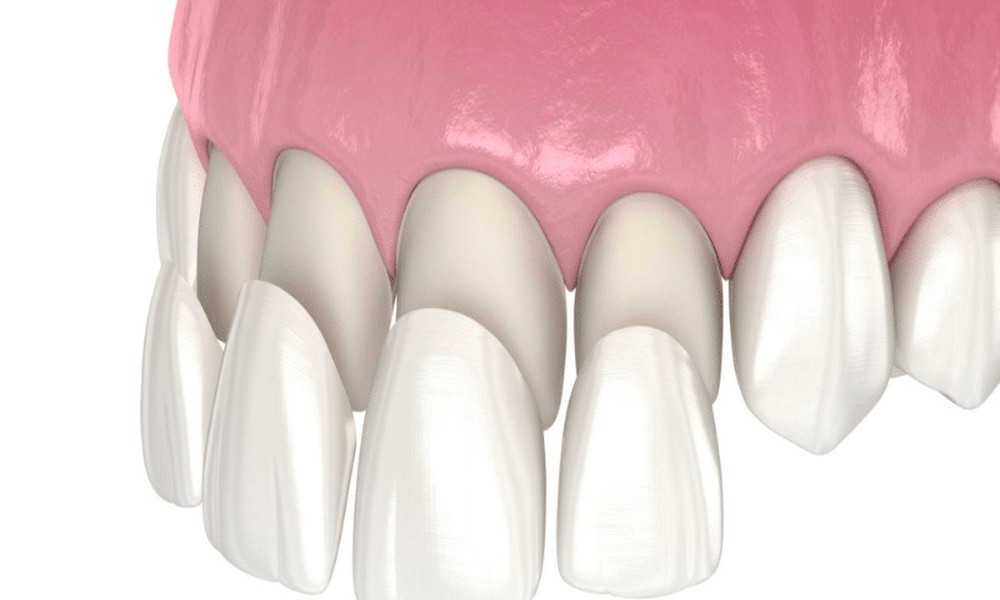
Veneers can restore your smile, yet small mistakes at the edges of each tooth can cause pain, decay, and regret. These edges are called margins. When margins are rough, open, or placed in the wrong spot, food and bacteria collect. That leads to cavities, gum bleeding, and veneers that fail too soon. You deserve care that prevents those problems from the start. A skilled cosmetic dentist in Los Angeles, CA studies your bite, your gums, and your daily habits before touching a tooth. That planning helps create smooth, sealed, and cleanable margins. In this blog, you will learn three common veneer margin problems, how they damage your teeth, and the exact steps dentists use to stop them. You will see what to ask during a consult, what to expect during treatment, and how to protect your new smile for many years.
Why Veneer Margins Matter So Much
Margins sit where tooth, veneer, and gum meet. That small line controls three things.
- How well you can clean the tooth
- How your gums respond over time
- How long the veneer stays on and stays healthy
When margins fit well, your gums stay calm, your bite feels even, and your smile looks natural. When margins fail, you face repeat dental work, higher cost, and fear of smiling.
The Centers for Disease Control and Prevention link poor cleaning to a higher risk of decay and gum disease. Bad margins trap plaque, so they raise that risk fast.
Problem 1: Overhanging Veneer Margins
An overhang happens when the veneer sticks out farther than the tooth near the gum. That creates a ledge. Plaque builds under that ledge. Your brush and floss cannot reach it well. Then decay starts at the edge of the veneer.
You might notice:
- Gums that bleed when you floss
- Food stuck in the same spot every day
- A rough edge that you feel with your tongue
Overhangs also press on the gum. That pressure can cause swelling and bone loss around the tooth.
How Dentists Prevent Overhanging Margins
Careful steps keep the veneer flush with the tooth.
- Use clean, clear molds of your teeth with strong impression material
- Check the model under bright light and magnification
- Ask the lab to keep margins thin and tight
- Try in the veneer and feel for any ledge with a dental tool
- Polish the edge before final bonding
You can help by asking your dentist to show you the margin with a mirror before the veneer is bonded. You can also ask if they use magnification and special lights during the fit.
Problem 2: Open Veneer Margins
An open margin is a gap between the veneer and the tooth. Even a tiny gap lets bacteria and stains slide in. That weakens the bond and causes decay at the edge.
Common signs include:
- Dark line at the edge of the veneer
- Cold or sweet sensitivity near the gum
- Bad taste that does not fade after brushing
Open margins often come from poor bonding, rushed cement cleanup, or a veneer that does not match the tooth shape.
How Dentists Prevent Open Margins
Strong prevention starts long before the veneer is placed.
- Plan tooth reduction so enough enamel stays for strong bonding
- Dry the tooth fully before placing bonding material
- Use high-quality bonding systems and follow the timing exactly
- Seat the veneer with firm, even pressure
- Remove extra cement while it is still soft
- Take an X-ray after placement to check for gaps
The National Institute of Dental and Craniofacial Research explains how bacteria use trapped food to attack tooth edges. Open margins give those bacteria a direct path.
Problem 3: Margins Placed Too Deep Under The Gums
Sometimes, veneers reach far under the gum line. Deep margins can hide color changes, yet they can also cause gum trouble. Your gums react to foreign material. If the edge sits too deep, the tissue stays inflamed.
You may notice:
- Red, puffy gums around the veneer
- Bleeding when you brush even with gentle pressure
- Gum recession that exposes the veneer edge
Deep margins make cleanings harder for you and your hygienist. That raises long term risk of gum disease and bone loss.
How Dentists Prevent Deep Margin Problems
Thoughtful planning protects your gums.
- Place margins just at or slightly above the gum when possible
- Use gum shaping tools instead of cutting deep pockets
- Check gum health before veneer work and treat any infection first
- Shape the veneer so it follows the natural curve of your gum
You can ask your dentist where they plan to put the margins and why. You can also ask how easy it will be to floss each tooth after treatment.
Comparison: Healthy Veneer Margins vs Problem Margins
|
Feature |
Healthy Veneer Margin |
Problem Veneer Margin |
|---|---|---|
|
Fit to tooth |
Flush and smooth |
Ledge or visible gap |
|
Gum response |
Pale pink, no bleeding |
Red, swollen, bleeds often |
|
Cleaning |
Floss slides through easily |
Floss shreds or catches |
|
Comfort |
No sharp spots or cold sting |
Sensitivity or rough edge |
|
Risk over time |
Low risk of decay and gum loss |
High risk of cavities and veneer failure |
How You Can Help Your Dentist Protect Your Margins
You play a central role in margin success. You can support the work in three ways.
- Ask clear questions before treatment
- Follow home care steps after placement
- Keep regular checkups and cleanings
Before veneers, ask:
- How will you check the fit of each margin
- Do you use magnification and X rays to confirm the seal
- What signs should I watch for at home
- Brushing twice a day with fluoride toothpaste
- Flossing slowly around each veneer edge
- Using any special tools your dentist suggests
- Calling early if you feel roughness, see dark lines, or notice bleeding
Safeguard Your Smile For The Long Term
Veneers should bring calm, not fear. Strong margins keep decay out, keep gums steady, and keep your smile steady. When you choose a dentist who respects the tiny line where tooth, veneer, and gum meet, you lower your risk of pain and repeat work.
Ask direct questions, expect clear answers, and pay close attention to how your mouth feels. That steady approach protects both your teeth and your peace of mind.
