

Missing teeth change how you eat, speak, and feel about your face. You may hide your smile. You may chew on one side. You may avoid certain foods. Dental implants give you a steady way to fix both the look and the use of your teeth. They replace the root, not just the visible part. This means your new teeth can stay firm when you bite and speak. It also means your jawbone keeps its shape. An Albuquerque periodontist can place implants with careful planning and precise steps. You deserve clear facts, not pressure. This guide explains how implant dentistry restores your smile, supports your jaw, and helps you return to normal daily life. You will see what to expect, how the process works, and which questions to ask before you start.
How a Dental Implant Works
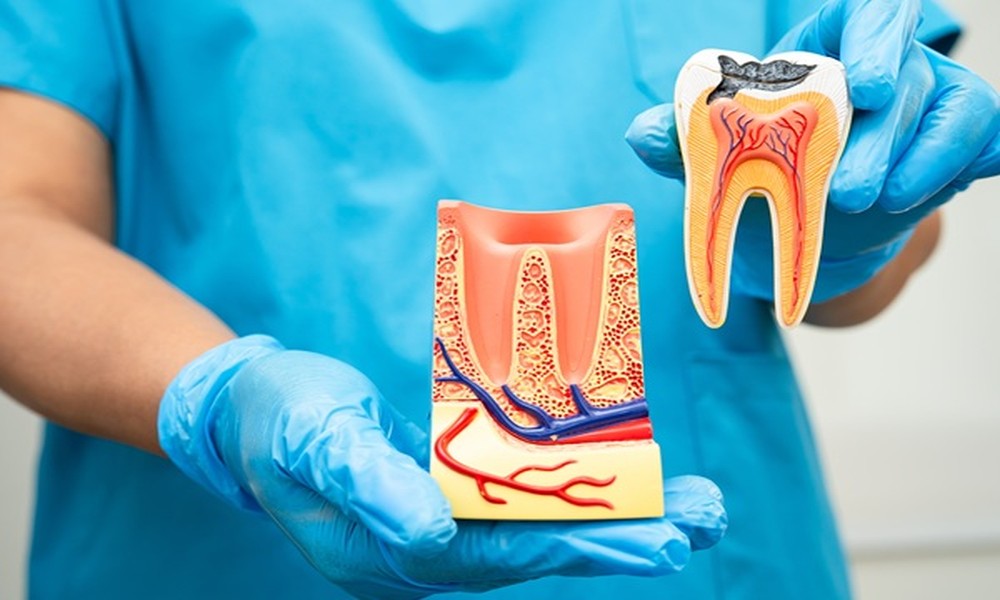
A dental implant is a small post made of strong metal. It sits in your jaw where the tooth root once was. The implant holds a crown, bridge, or denture.
The process has three main parts.
- The implant. This is the root replacement in your bone.
- The connector. This links the implant to the visible tooth.
- The crown or bridge. This is the part you see when you smile.
Your bone grows around the implant over time. This creates a firm base. You get a tooth that feels stable when you chew and speak.
Implants vs Other Tooth Replacement Options
You may wonder how implants compare to bridges or full dentures. The table shows key points you can use as you plan care.
|
Feature |
Dental Implant |
Fixed Bridge |
Full Denture |
|---|---|---|---|
|
Replaces tooth root |
Yes |
No |
No |
|
Affects nearby teeth |
No shaping needed |
Needs shaving of neighbor teeth |
No support from teeth |
|
Jawbone support |
Helps keep bone height |
Little bone support |
Bone can shrink over time |
|
Chewing strength |
Close to natural teeth |
Good for most foods |
Lower chewing strength |
|
Stability |
Fixed in place |
Fixed in place |
Can slip or rub |
|
Cleaning |
Brush and clean between |
Special floss or tools |
Remove to clean |
This comparison shows why many people choose implants. They look natural. They also help keep your bite strong.
How Implants Help Your Jaw and Face
Tooth loss affects more than your smile. It changes your face and jaw over time.
- Bone loss. Without roots, the jawbone starts to shrink.
- Facial change. Lips can sag. Cheeks can look sunken.
- Bite shift. Teeth near the gap move out of place.
Implants give your bone a reason to stay strong. The pressure from chewing travels through the implant to the bone. This helps keep bone height. Your face keeps a fuller shape. Your bite stays more even.
The National Institute of Dental and Craniofacial Research explains how bone loss follows tooth loss and affects long-term oral health.
Steps in the Implant Process
The process takes time. Clear steps help you prepare.
- First visit. You share your health history and goals. The dentist checks your mouth and takes images.
- Planning. The team reviews bone height, gum health, and bite. You talk through choices for single teeth, bridges, or full arches.
- Implant surgery. The implant goes into the bone under numbing. Many people return to normal light tasks the same day.
- Healing. Bone grows around the implant. This can take a few months. You may use a short-term tooth during this time.
- Final tooth. The crown or bridge is made to match your color and shape. The dentist places and adjusts it for comfort.
Each step has checks to keep you safe. A periodontist or oral surgeon often works with your general dentist.
Safety, Age, and Health Questions
Many people wonder if they are too old or have too many health issues for implants. Age alone is not the limit. Your general health matters more.
Discuss these points with your care team.
- Control of diabetes or heart disease.
- Use of tobacco.
- Use of certain bone or immune system drugs.
- History of head and neck radiation.
The U.S. Food and Drug Administration shares guidance on dental implants, safety, and questions to ask.
Questions to Ask Before You Decide
You have the right to clear answers. Bring written questions to your visit. You might ask.
- How many implants like mine have you placed.
- What are all my choices, including no treatment.
- How long will the process take from start to finish.
- What care will I need at home after each step.
- What problems can happen and how often.
Simple, honest answers help you feel calm and ready. You are not asking for perfection. You are asking for a clear plan.
Living With Implants Day to Day
Once healed, implants should feel like part of you. You care for them as you do natural teeth.
- Brush twice each day with a soft brush.
- Clean between teeth once each day.
- See your dentist for regular checks and cleanings.
With this routine, many implants last for decades. You gain steady chewing, clearer speech, and a smile you do not hide. That mix of function and appearance is the true strength of implant dentistry.
