

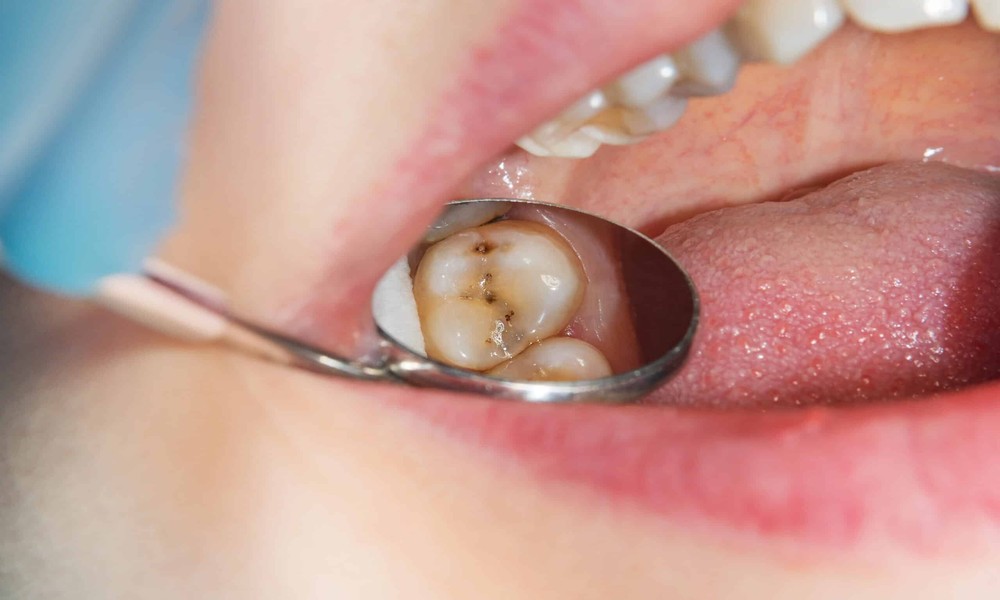
Cavities often run through families like a stubborn thread. You might brush, floss, and still feel haunted by memories of painful fillings from childhood. Your children may face the same risks. Fluoride treatment breaks that pattern. It strengthens teeth before decay starts. It also protects the weak spots that family history often targets. Many parents feel guilt when a child needs dental work. That guilt is heavy. You do not need to carry it. Regular fluoride treatments reduce that burden for you and your children. They support baby teeth and adult teeth. They also help teeth that already have early soft spots. A Richmond family dentist can use fluoride as a simple tool that guards every generation. You gain one clear thing. You lower the chance that your child will repeat your dental past.
How Cavities Pass Through Generations
Cavities are not only about sugar. They also reflect family habits and shared germs. You pass mouth bacteria to your child through simple contact. You also pass daily routines. Your child learns how often to brush. Your child learns what to drink and snack on.
Three common patterns raise risk across generations.
- Shared use of spoons, cups, or pacifiers
- Frequent sweet drinks or snacks between meals
- Skips in brushing at night when everyone feels tired
These patterns do not mean you failed. They show why many families see the same tooth decay year after year. Fluoride treatment gives you a strong counter move.
What Fluoride Does To Teeth
Fluoride is a natural mineral. It mixes with the hard outer layer of teeth. It helps teeth stand up to acids from food and bacteria. It also supports repair of tiny early damage before a cavity forms.
Fluoride treatment helps in three main ways.
- It makes tooth enamel harder.
- It slows or stops early decay spots.
- It helps new teeth grow in stronger.
The Centers for Disease Control and Prevention explains how fluoride protects teeth in simple terms.
Why Family History Makes Fluoride Even More Important
If you had many cavities as a child, your child faces a higher chance of cavities. This comes from a mix of genetics and habits. You cannot change genes. You can change exposure and protection.
Fluoride treatment is strong for families with high risk because it works on three fronts.
- It guards baby teeth while habits form.
- It protects new adult teeth during the early years.
- It supports older teeth that already have fillings or weak spots.
This steady protection across life stages cuts down new decay. It also slows repeat work on the same teeth. That means fewer sudden toothaches and fewer urgent visits.
Types of Fluoride Protection
You can use fluoride at home and in the dental office. The mix of both gives the best shield for a high risk family.
Common Fluoride Options and How They Help
|
Type |
Where You Get It |
How Often |
Main Benefit |
|---|---|---|---|
|
Fluoridated tap water |
Home or school drinking water |
Daily with normal use |
Low dose support all day |
|
Fluoride toothpaste |
Home brushing |
Two times per day |
Direct contact with tooth surface |
|
Fluoride mouth rinse |
Home or school program |
Daily or weekly |
Extra help for high risk children |
|
Office fluoride gel or foam |
Dental visit |
Every 3 to 12 months |
Stronger dose for quick support |
|
Fluoride varnish |
Dental or medical visit |
Every 3 to 6 months for high risk |
Sticks to teeth for longer contact |
The American Dental Association explains these choices and timing in plain language.
Safety Facts You Need To Know
Many parents feel fear about fluoride. That fear is common. It is also often based on partial stories. When used at recommended levels, fluoride is safe and strongly studied.
Keep three safety points in mind.
- Use only a small smear of fluoride toothpaste for children under three.
- Use a pea size amount for children three and older.
- Store toothpaste out of reach to prevent swallowing large amounts.
Office fluoride treatments use measured doses. Your dentist matches the type and schedule to your child’s age and risk. You can ask for clear numbers and explanations at each visit.
How To Use Fluoride To Break The Family Pattern
You can turn family history into a warning sign, not a sentence. A simple plan helps you use fluoride in a steady way.
- Check your tap water. If it has fluoride, use it for drinking instead of sugary drinks.
- Brush two times per day with fluoride toothpaste. Help young children each time.
- Ask for fluoride varnish or other office treatment at each checkup if your child has had past cavities.
Next, set three home rules that match your values.
- No sharing of spoons or toothbrushes with young children.
- Plain water between meals most of the time.
- No skipping night brushing, even on hard days.
These steps work with fluoride to change the story you grew up with. You offer your child a calmer dental future. You also protect your own teeth as you age.
When To Talk With Your Dentist
Some signs show a need for extra fluoride support.
- You or your child had more than one cavity in the past year.
- Your child wears braces or has many deep grooves in the back teeth.
- Your home often uses bottled water instead of tap water.
Bring these points up at your next visit. Ask clear questions. Ask what level of risk your family has. Ask which fluoride steps matter most right now. You deserve a plan that fits your life, not a vague list.
Family history can feel heavy. You cannot erase the pain you went through in the dental chair. You can stop that same pain from echoing in your child’s life. Fluoride treatment, used with simple daily habits, gives you that power.
