

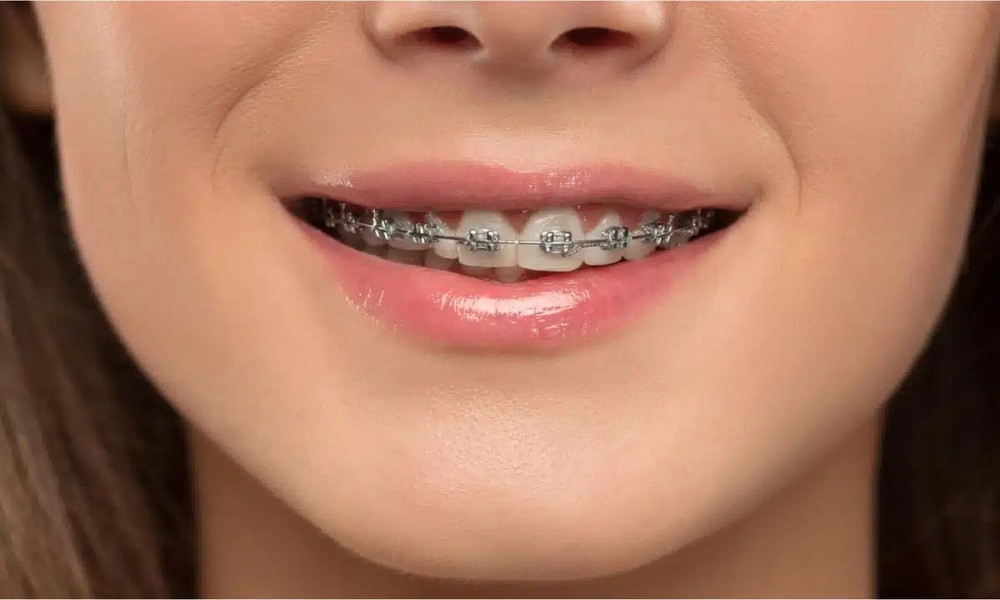
Your child’s jaw grows fast. If that growth goes off track, small problems can turn into pain, chewing trouble, or a crooked smile. Early jaw checks give you a warning sign before the bones and teeth lock into place. You see how the upper and lower jaws fit. You see if breathing, thumb sucking, or injury changed growth. Then you and your orthodontist in Tuckahoe, Eastchester, NY can guide the jaw instead of chasing problems later. Regular monitoring helps time treatment. It helps avoid some extractions and surgery. It also protects speech and sleep. You get clear answers. You get a plan that fits your child’s growth pattern, not a guess. This blog explains why jaw growth checks matter, when to start them, and what to expect at each step. You gain control. Your child gains comfort and steady confidence.
Why Jaw Growth Checks Matter So Much
Your child’s jaw is not fixed. It changes with every growth spurt. If the upper and lower jaws grow at different speeds, teeth shift. The bite slips out of balance. That change can strain jaw joints. It can also strain chewing muscles.
Unchecked jaw growth can cause three main problems.
- Crowded teeth that are hard to clean
- Bites that wear teeth down or chip them
- Mouth breathing that affects sleep and focus
Early checks help you catch these problems when they are small. You see patterns. You do not wait for pain. You act while the jaw still responds to gentle pressure and simple devices.
When To Start Monitoring Jaw Growth
The American Association of Orthodontists advises the first check by age 7. At this age, baby teeth and adult teeth share space. The jaw still grows fast. Yet the bite pattern already starts to show. You can read that advice at the AAO site here: When should my child see an orthodontist.
Early does not always mean early treatment. Often you watch and wait. You track growth. You plan the best time to act. That timing can shorten braces later. It can also reduce the force needed on teeth.
Signs Your Child’s Jaw Growth Needs A Check
You know your child best. Trust your instincts. If something feels off, ask for a jaw check. Common warning signs include three simple groups.
- Teeth concerns. Crowded teeth. Gaps that grow. Teeth that do not meet.
- Face and jaw concerns. Chin that sticks out. Chin that looks too far back. Jaw that shifts when your child closes.
- Daily life concerns. Mouth breathing. Snoring. Trouble biting food.
Any one sign can point to a growth issue. Together, they send a clear message. The jaw needs a closer look.
What Happens During A Jaw Growth Check
A jaw growth check is calm and simple. Your child sits in a chair. You stay close. The orthodontic team explains each step in plain words.
Most visits follow a three-step pattern.
- Look. The orthodontist checks the face, teeth, and bite. You see how the jaws line up from the front and side.
- Measure. Photos and X-rays show tooth roots and bones. Growth charts track changes over time.
- Plan. You review what looks healthy and what needs care. You hear if treatment should start now or later.
If X-rays are used, the team controls exposure. The Centers for Disease Control and Prevention explains dental X-ray safety here: Dental X-rays and radiation protection.
How Monitoring Can Change Treatment
Jaw growth checks do more than spot problems. They guide choices. Regular checks can change the type and length of treatment. They can also change the cost and stress you face.
The table below gives a simple comparison.
|
Care Approach |
Typical Timing |
Common Needs |
Impact On Child |
|---|---|---|---|
|
With regular jaw growth monitoring |
Start checks by age 7. Repeat every 6 to 12 months. |
Simple expanders. Shorter braces. Fewer extractions. |
Less pain. Shorter visits. Better sleep and chewing. |
|
Without regular jaw growth monitoring |
First visit in early teen years or after problems appear. |
More extractions. Longer braces. Possible jaw surgery. |
More stress. Longer treatment. Higher risk of tooth wear. |
Every child is unique. Yet the pattern is clear. Early checks give you more choice. Late checks limit your options.
Jaw Growth, Breathing, and Sleep
Jaw shape affects more than teeth. It shapes the airway. A narrow upper jaw can crowd the nose and throat. That can lead to mouth breathing. It can also lead to snoring or restless sleep.
Poor sleep can affect mood, learning, and growth. When you watch jaw growth, you also watch how your child sleeps. You share what you see. You ask about snoring. You ask about teeth grinding. That shared picture helps the orthodontist and your child’s doctor work as one team.
How You Can Support Healthy Jaw Growth At Home
You play a strong role. You see your child each day. You shape habits that protect jaw growth. Three habits matter most.
- Encourage nose breathing when possible. Talk with your doctor if stuffy noses are constant.
- Limit thumb sucking and long-term pacifier use. Ask for help if these habits feel hard to stop.
- Keep regular dental visits. Clean teeth move and grow more predictably.
You do not need special tools. You need watchful eyes. You need steady routines. That steady care supports any plan your orthodontist sets.
What To Ask Your Orthodontist
Clear questions lead to clear plans. During a jaw growth visit, you can ask three key questions.
- How are my child’s jaws growing compared to most kids this age
- What might happen if we wait one year, two years, or more
- What can we do at home to support this growth pattern
Honest answers help you weigh comfort, time, and cost. You do not need to agree on every step right away. You only need to understand the path.
Taking The Next Step With Confidence
Monitoring jaw growth is not about chasing a perfect smile. It is about steady health. It is about pain-free chewing and calm sleep. It is about giving your child a face and bite that feel natural and strong.
You do not need to wait for crooked teeth or jaw pain. You can schedule a jaw growth check now. You can ask for clear pictures and simple words. You can watch progress over time. With that knowledge, you move from fear to informed choice. Your child feels calm. Your child carries that strength into every smile, every meal, and every night of rest.
