

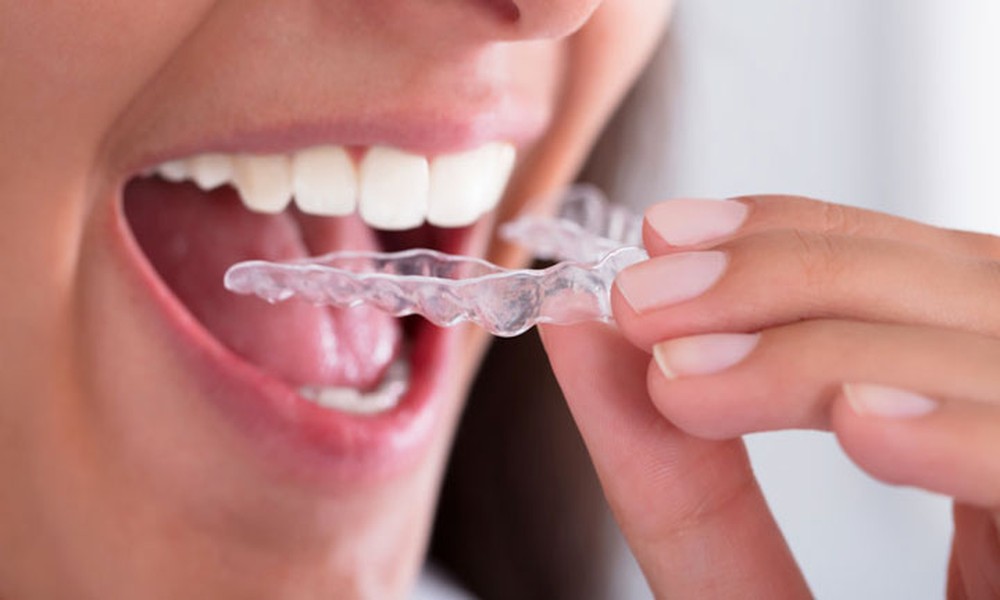
You might be waking up with a sore jaw, tender teeth, or headaches, and wondering why you feel like you ran a marathon in your sleep and whether you might even need dental implants in Chinatown, Lower Manhattan. Maybe your partner says they hear grinding at night. Or your dentist has gently warned you that your teeth are starting to show signs of wear, tiny cracks, or flattened edges.end
In the beginning it might have seemed like a small annoyance. A little tension in your jaw. A chipped tooth that was “probably nothing.” Then one day you realize you are avoiding certain foods, your jaw clicks when you chew, and you are worried about the cost of fixing broken or sensitive teeth. That is the “before.”
The “after” can look very different. Rested mornings. Less jaw pain. Teeth that are protected instead of slowly worn down. That is where a customized night guard from a general dentist comes in. In simple terms, a custom guard is a shield that fits your teeth and bite, designed to absorb the forces of grinding and clenching so your teeth and jaw do not have to.
This is not just about a piece of plastic. It is about understanding why you grind, how your teeth come together, and how a dentist tailors a guard to your unique mouth so it can truly protect you. Because of this, you might wonder how a general dentist actually customizes these night guards, and how to know if one is right for you.
Why are your teeth and jaw paying the price at night?
Teeth grinding and clenching, also called bruxism, often live in the background of a busy life. Stress, sleep issues, or certain medications can all play a role. According to the Ontario Dental Association, many people grind without knowing, until a dentist sees the signs or pain becomes hard to ignore.
The problem is not just the noise or the soreness. Over time, bruxism can lead to worn enamel, cracked fillings, broken crowns, receding gums, and even loose teeth. It can strain the jaw joints and muscles, which may cause chronic pain or headaches. You might find yourself facing repeated dental work, which can be emotionally draining and financially heavy.
So where does that leave you if you are already seeing damage, or afraid you will soon?
This is where a custom dental night guard for tooth protection can change the story. A general dentist looks beyond “you grind, wear this” and instead studies how your teeth meet, where the pressure is highest, and what material and design will give you the most protection while still feeling comfortable enough to wear every night.
How does a general dentist turn a simple guard into something truly customized?
Many people start with an over-the-counter night guard because it is quick and seems cheaper. Then they discover it feels bulky, falls out at night, or creates new sore spots. That is the “agitation” point, where you are trying to help yourself but the fix is not quite working.
A general and implant dentist approaches this differently. Here is what usually happens during the customization process.
1. A careful evaluation of your teeth, jaw, and habits
Your dentist will ask about your sleep, stress, and any history of jaw pain or headaches. They will check for signs of grinding such as flat spots on teeth, small fractures, gum recession, or enlarged jaw muscles. They may also look at how your upper and lower teeth meet, and how your jaw moves when you open and close.
This is not just a quick glance. It helps your dentist decide whether you need a guard for the upper teeth, the lower teeth, or sometimes a more specific design that guides your jaw into a healthier position.
2. Precise molds or digital scans of your teeth
Once your dentist knows what they are trying to protect you from, they take detailed impressions or digital scans. These capture the exact shape of each tooth and the way they line up. That is what makes a custom night guard different from a “boil and bite” version. It is built to your mouth, not a generic template.
The lab then uses these records to create a guard that hugs your teeth closely. This snug fit keeps the guard in place at night and spreads out the pressure from grinding, instead of letting certain teeth take the full hit.
3. Choosing the right material and thickness for you
Not all night guards are the same. Some are softer and cushiony. Others are harder and more rigid. Your dentist decides based on how hard you grind, whether you have crowns or implants, and how sensitive your teeth and jaw are.
For someone who clenches very strongly, a harder guard can be more durable and stable. For someone with sensitive teeth or mixed dental work, a slightly softer or layered guard can feel gentler while still protective. The thickness can also vary. Thicker guards often handle heavier forces better, but your dentist will balance that with comfort so it still feels natural enough to wear every night.
4. Fine tuning the bite so it actually helps your jaw
When the guard comes back from the lab, your dentist will try it in, then adjust it. They check where your teeth touch on the guard, smooth out any high spots, and make sure your jaw can move without catching. This step is critical. A poorly adjusted guard can create new tension. A well adjusted guard can actually help your muscles relax and reduce strain on the joints.
This is where a general dentist’s training really matters. They are not only protecting tooth surfaces. They are working with your bite as a whole system.
DIY night guard vs customized guard from a dentist: what is the real difference?
You may be wondering if a store bought guard is “good enough” or if a professional guard is worth the extra cost. A simple comparison can help you see the tradeoffs.
| Feature | Store Bought / DIY Guard | Custom Night Guard from General Dentist |
|---|---|---|
| Fit and comfort | Generic shape, can feel bulky or loose, more likely to fall out | Exact fit to your teeth and bite, usually slimmer and more stable |
| Protection level | Basic cushioning, may not fully cover high pressure areas | Designed to distribute force evenly and protect specific risk spots |
| Jaw and bite impact | Can change your bite if used long term without supervision | Bite is checked and adjusted to support jaw comfort and stability |
| Durability | Often wears out faster, especially with heavy grinding | Stronger materials chosen based on your grinding pattern |
| Cost over time | Lower upfront, may need frequent replacement and more repair work | Higher upfront, can reduce long term damage and dental bills |
| Monitoring and support | No professional follow up, problems may go unnoticed | Regular checkups to adjust fit and track tooth and jaw health |
There is also the sleep side of the story. The Sleep Foundation points out that managing stress, improving sleep habits, and sometimes treating underlying sleep disorders can all reduce grinding. A dentist made guard works best as part of this wider plan, not as the only answer.
Three practical steps you can take right now
1. Pay attention to your signs and keep a simple log
For the next one or two weeks, note when you have jaw pain, headaches, or tooth sensitivity. Add any comments from a partner about grinding noises. Bring this to your dentist. It gives them a clearer picture of how often and how intensely you might be grinding, which helps them design the right guard and rule out other causes.
2. Schedule a focused visit to discuss a custom night guard for bruxism
If you have been told you grind, or you suspect it, ask your general dentist for a visit centered on protection rather than just a quick cleaning. Share your symptoms and concerns about cost or comfort. A good dentist will walk you through material options, expected lifespan, and how a guard might work with any crowns, implants, or future treatment you are considering.
You can also ask them how a guard compares to an athletic mouthguard. The American Dental Association explains the role of athletic mouth protectors, which are designed for sports impact, not grinding. This helps you understand why a true night guard is different from a sports guard you might already own.
3. Support your guard with simple daily habits
Even the best general dentist night guard works better when your muscles are less tense. Try gentle jaw stretches, avoiding chewing ice or very hard foods, and limiting caffeine later in the day. Build a calming bedtime routine with screens off earlier, slower breathing, or a short walk. These are small, low cost steps that can reduce the force you put on your teeth at night and make your guard feel more comfortable.
Moving from worry to protection
If you are reading this with a little knot in your stomach, wondering how much damage has already been done, you are not alone. Many people only discover bruxism after years of quiet wear. The important part is that you are paying attention now.
A customized night guard from a general dentist is not about perfection. It is about slowing or stopping damage, easing daily pain, and giving your teeth and jaw a better chance to stay strong. With a thoughtful evaluation, a guard shaped to your mouth, and a few supportive habits, you can move from waking up worried to waking up more at ease.
Reach out to your own trusted general dentist and ask specifically about a custom night guard for grinding and clenching. Bring your questions. Share your worries. You deserve clear answers and a plan that feels tailored to you, not a one size fits all fix.
