

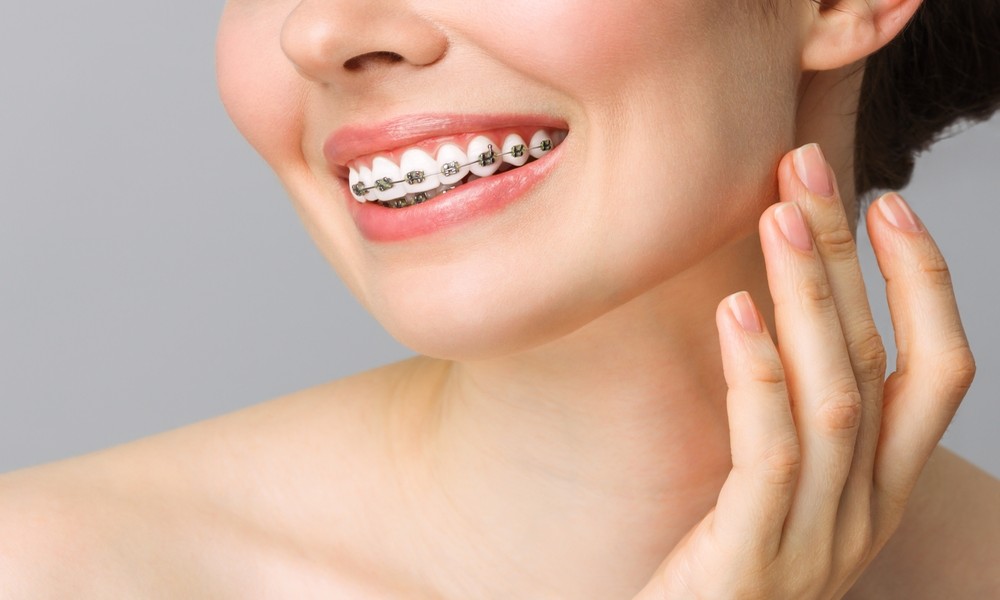
You might be looking in the mirror, noticing crowded teeth, a bite that does not feel quite right, or a smile you hide in photos. Maybe your child is getting teased at school, or you are wondering if you are “too old” for braces. You know something needs to change, yet the idea of orthodontic treatment, such as orthodontics in Zionsville, IN, can feel overwhelming. There is the cost, the time, the appointments, and the fear of looking worse before you look better.end
Because of all of this, you may be stuck in a quiet tug of war. On one side is your wish for a confident smile. On the other side are your doubts and questions. Can an orthodontist really make a meaningful difference, or is this just cosmetic?
Here is the short version. Modern orthodontic care does much more than straighten teeth. It can improve how you chew, speak, and clean your teeth. It can lower the risk of certain dental and health problems, and it often transforms how you feel about yourself in daily life. You do not have to love dentistry or know all the terms. You only need to know that you are not alone, your worries are valid, and there are clear, practical steps forward.
Why does an uneven smile affect you so much day to day?
Misaligned teeth are not just a “look” issue. They affect your daily routine in ways you may not even notice anymore. You might angle your head a certain way in photos. You might hold your hand near your mouth when you laugh. You might hesitate before speaking up in a meeting or on a date. Over time, these small adjustments can chip away at your confidence.
There is also the physical side. Crowded or rotated teeth are harder to clean. Food gets trapped more easily. This can increase the chance of cavities and gum disease. A bite that does not fit together can lead to worn teeth, jaw discomfort, or headaches. According to MedlinePlus information on orthodontia, treatment is often recommended not just for appearance, but to improve oral function and long term dental health.
So where does that leave you? You might feel stuck between “I am managing” and “This is really bothering me.” That is an uncomfortable place to live.
What emotional and practical hurdles make orthodontic care feel so hard?
Once you start considering treatment, a new set of worries shows up. You might ask yourself, “Will I look silly with braces at my age?” or “Will my child be teased more with brackets on their teeth?” Social pressure is real. Many adults delay treatment for years because they fear how they will look during the process, even though they are unhappy with their smile right now.
Financial stress is another big barrier. Orthodontic care is an investment. You may be worried about whether insurance will help, how long you will be paying, and what happens if something breaks. The numbers can feel heavy, especially when you are juggling other family needs or bills.
Then there is the uncertainty about results. What if you go through all of this and you do not get the smile you pictured? What if treatment takes longer than promised? Because of this tension, you might delay the decision, hoping things will somehow improve on their own.
Yet orthodontic care has been studied for its impact on health and well being. Research shared by the American Association of Orthodontists shows that treatment is linked to better oral health outcomes and quality of life. You can read more about that connection in this overview of orthodontic treatment and improved health outcomes.
So the real question becomes this. What costs you more over time. Living with a smile and bite that hold you back, or taking a clear, planned path toward change?
How does orthodontic care actually build confidence and healthier smiles?
When treatment is thoughtfully planned, it goes far beyond straightening teeth for photos. A well aligned bite can make chewing more comfortable and efficient, which supports better digestion and less strain on your jaw. Teeth that are properly spaced are easier to brush and floss, so plaque has fewer hiding places. This often means fewer emergency visits, fewer fillings, and less gum inflammation over the years.
On the emotional side, something quiet but powerful often happens. As teeth move into better positions, people begin to smile without thinking. They stop covering their mouth. They volunteer for pictures instead of hiding in the back. Children who once avoided speaking up in class often participate more. Adults who were self conscious in interviews or social events notice they feel more at ease.
This is why phrases like confidence through orthodontic treatment are not just marketing words. They describe a real shift in how you move through your day. You might still have braces or aligners on your teeth, yet already feel more in control, because you know you are on your way to a healthier, more natural smile.
Should you try to “fix” your smile on your own or see a professional?
You may have seen mail order aligner companies or quick fix products online that promise fast results with fewer visits. It can be tempting, especially if you are trying to save money or avoid appointments. So how do these options compare to working with an orthodontist face to face?
| Question | Mail Order / DIY Aligners | In Person Orthodontic Care |
|---|---|---|
| Who evaluates your teeth and bite? | Often based on impressions or photos you take yourself. Limited or no in person exam. | Orthodontist examines your teeth, bite, jaw joints, and facial structure in person. |
| Can complex issues be treated? | Usually only mild crowding or spacing. Bite problems often not addressed safely. | Wide range of issues, including crowding, spacing, overbite, underbite, and crossbite. |
| Monitoring during treatment | Mostly remote. You may send photos or check in online. | Regular visits to adjust, track progress, and prevent unwanted tooth or bite changes. |
| Risk of unnoticed problems | Higher risk. Root damage, gum recession, or worsening bite may go undetected. | Issues can be caught and corrected early, which protects long term oral health. |
| Personalized plan and timing | Often a standard sequence. Less flexibility if your teeth move slower or faster. | Treatment is adjusted to your response, your lifestyle, and your health needs. |
For some people with very minor alignment needs, remote options may offer some improvement. Yet for many, especially when confidence and health are both on the line, guided care from an orthodontist gives a safer and more predictable path. This is what people usually mean when they talk about orthodontic care as a long term investment rather than a quick fix.
Three practical steps you can take right now
1. Get a clear, no pressure evaluation
Start with information, not commitment. Schedule a consultation with an orthodontist and bring your concerns, even the ones that feel small or embarrassing. Ask about your bite, long term risks if you do nothing, and realistic treatment options. Many offices offer initial visits at low or no cost, and you deserve to know where you stand before you decide.
2. Talk openly about time, budget, and comfort
Once you understand your options, discuss what fits your life. Share your budget limits, your work or school schedule, and any worries about braces being visible. Ask about different types of braces or clear aligners, payment plans, and insurance. A good orthodontist will work with your reality, not against it, and will help you balance goals like “as discreet as possible” with “as effective and safe as possible.”
3. Focus on small habits that protect your future smile
Even before treatment starts, you can strengthen the foundation. Brush and floss carefully, especially around crowded areas. Limit sugary snacks and drinks that feed cavity causing bacteria. Keep up with regular dental cleanings. These simple steps not only protect your current teeth. They also prepare your mouth for smoother, healthier treatment if you choose to move forward.
Where does this leave you and your everyday smile?
You do not have to love your smile yet. You do not have to have every answer or know exactly which path to take. What matters is that you recognize the discomfort you feel and allow yourself to consider that change is possible. Orthodontic care is not just about straight teeth. It is about unlocking the everyday confidence that comes when your smile feels natural, comfortable, and truly yours.
When you are ready, reach out to a trusted orthodontist, ask your questions, and give yourself permission to explore your options. Your future self, smiling easily in photos and conversations, will be glad you did.
