

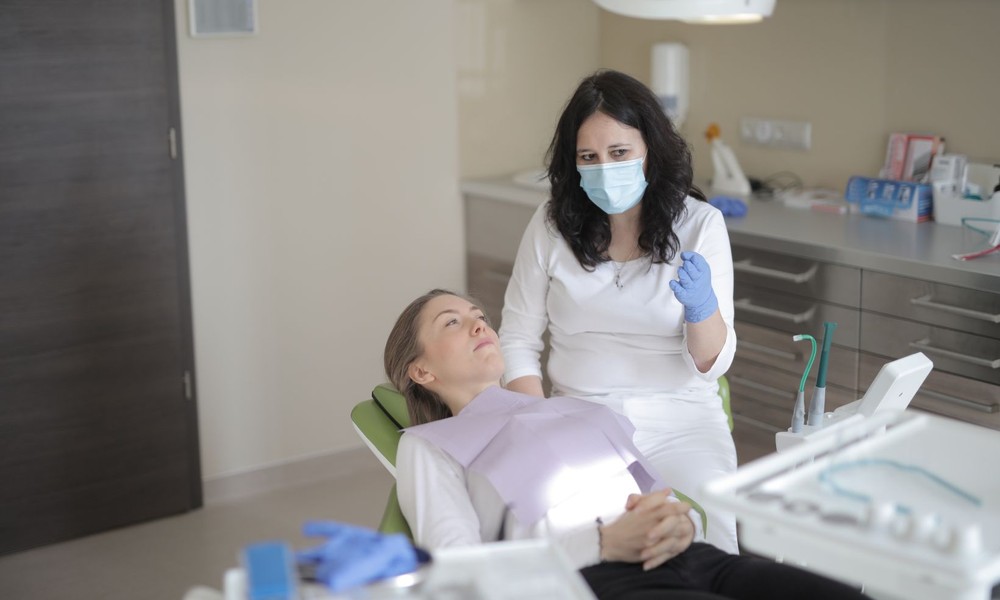
You might be feeling a little stuck right now. You want a smile you are not afraid to show in photos, but you also do not want to keep bouncing from one dental issue to the next. Maybe you have had a filling here, a whitening treatment there, and it still feels like you are always “catching up” instead of getting ahead with the help of a family dentist in Artesia.
It can be confusing. You hear about cosmetic dentistry that can transform your smile, then you also hear that preventive care is what really matters. It can start to feel like you have to choose between looking good now or staying healthy later. That tension alone can make you put everything off, which only adds more stress.
Here is the simple truth. Cosmetic and preventive dentistry work best together
So where does that leave you. You do not need to become a dental expert. You just need to understand how these two sides of care support each other, and how a thoughtful family dentist can guide you so every step you take now makes the next step easier.
Why does it feel like you have to choose between looks and health?
Think about how most dental problems start. You might skip a cleaning because life is busy. A small cavity grows quietly. Your teeth pick up stains from coffee or tea. You begin to hide your smile, so you start looking at whitening kits or quick cosmetic fixes online.
The problem is that if there is decay or gum disease underneath, a cosmetic “cover up” will not last. That bright new smile can chip, stain again, or even fail because the foundation is not healthy. Then you are back in the chair, spending more time and more money than you ever planned.
This is where the frustration builds. You might worry that every visit will uncover “one more thing.” You might wonder if you should just do nothing and live with a smile you do not love. Or you might feel guilty for not flossing perfectly or missing checkups. That guilt is heavy, and it is not helpful.
The solution is not to blame yourself. The solution is to change the order of things. When preventive care comes first, cosmetic care stops feeling like a gamble and starts feeling like the natural next step.
How do preventive and cosmetic dentistry support each other?
Think of preventive care as the roots of a tree and cosmetic care as the leaves. You see the leaves first, but the roots decide how strong that tree really is.
Preventive dentistry focuses on stopping problems before they start or catching them early. That includes regular cleanings, exams, X rays when needed, fluoride treatments, sealants for kids, and daily home care like brushing and flossing. Solid preventive habits lower your risk of cavities and gum disease, and they also make any cosmetic work more predictable.
Cosmetic dentistry focuses on how your teeth look. That can include whitening, bonding, veneers, tooth colored fillings, reshaping teeth, or replacing missing teeth with bridges or implants. When done on a healthy mouth, these treatments tend to last longer, look more natural, and feel more comfortable.
Here is a simple example. Imagine you want whiter teeth because you are getting married in six months. If your dentist only whitens your teeth, the color might look better, but any hidden decay will still be there. If instead your dentist first checks for cavities, treats what needs attention, cleans your teeth, and then whitens them, your smile will not only look brighter, it will also be healthier and more stable for your wedding photos and beyond.
Another example. Maybe you have a chipped front tooth that makes you self conscious. Cosmetic bonding can repair the shape and color, but if you grind your teeth at night, that bonding could chip again. A family dentist who understands the whole picture might recommend a night guard along with the bonding. That is cosmetic and preventive dentistry working together in real life.
What does the research say about good daily care vs dental fixes?
Sometimes it helps to see the comparison laid out. You may wonder how much your daily habits really matter compared with what happens in the dental chair.
| Focus | Daily Habits At Home | Dental Office Care |
|---|---|---|
| What it does best | Controls plaque and stains between visits | Detects and treats problems you cannot see or reach |
| Key actions | Brushing twice a day with fluoride toothpaste and cleaning between teeth | Professional cleanings, exams, X rays, fillings, crowns, and cosmetic work |
| Evidence | Good home care is strongly linked to lower risk of cavities and gum disease, as explained by the American Dental Association in their guidance on home oral care. | Regular checkups and professional care are tied to earlier diagnosis and better outcomes, as outlined in the National Library of Medicine’s overview of preventive dental care. |
| Limitations | Cannot remove hardened tartar or repair damaged teeth | Cannot replace daily brushing and flossing, since plaque builds up again within hours |
| Best strategy | Use both together. Consistent home care plus regular professional visits give you the strongest base for safe, long lasting cosmetic improvements. | |
If you are unsure what “good home care” looks like in real life, simple habits like brushing for two minutes twice a day, cleaning between your teeth, and choosing water more often than sugary drinks are a strong start. The National Institute of Dental and Craniofacial Research shares clear tips on practical oral hygiene routines that you can follow without turning your life upside down.
How can a family dentist coordinate both types of care for you?
A thoughtful family dentist is used to balancing both sides. They see children who need sealants and fluoride, teens who want straighter or whiter teeth, and adults who are juggling repairs, appearance, and budgets. They understand that most people do not want a mouth full of temporary fixes. You want a plan.
This is where a phrase like cosmetic and preventive dental care really matters. It means your dentist is not just fixing what hurts today. They are asking what you want your smile to look and feel like in five or ten years. Then they help you work toward that, one realistic step at a time.
For example, a plan might look like this. First, address active problems like cavities or gum inflammation. Second, set up a schedule of cleanings and checkups so those repairs stay healthy. Third, map out cosmetic changes such as whitening or veneers when the timing and budget fit. You are not forced into everything at once. You move forward in a way that respects your goals and your life.
Three steps you can take right now
1. Get clear on what bothers you most about your teeth
Before you talk to a dentist, take a quiet moment and write down what actually bothers you. Is it color, shape, crowding, sensitivity, frequent cavities, or fear of future problems. Being specific helps your dentist separate what is mainly cosmetic from what may signal a deeper issue. It also helps you feel more in control of the conversation.
2. Commit to one small preventive habit you can keep
You do not have to overhaul your entire routine overnight. Choose one habit that feels realistic. It might be brushing at night every single day, adding flossing three times a week, or swapping one sugary drink for water each day. Small consistent changes protect any cosmetic work you choose later and reduce the chance of surprise problems.
3. Schedule a “planning” visit, not just a problem visit
Instead of waiting until something hurts, schedule a visit and tell the office you want time to talk about both health and appearance. Ask about a long term plan that combines preventive care with cosmetic options. You can even use the phrase family dental care
Moving forward with confidence
You do not have to choose between a healthy mouth and a smile you are proud of. When cosmetic dentistry is built on strong preventive care, each visit becomes a step toward a future where emergencies are rare and your smile feels like a true part of you, not a project you are constantly fixing.
You deserve care that respects your worries, your time, and your budget. Start by getting clear on what you want, strengthen one small preventive habit, and talk with a family dentist about a plan that brings both health and appearance together. The sooner you align those two pieces, the sooner your smile can stop feeling like a source of stress and start feeling like one of your strengths.
