

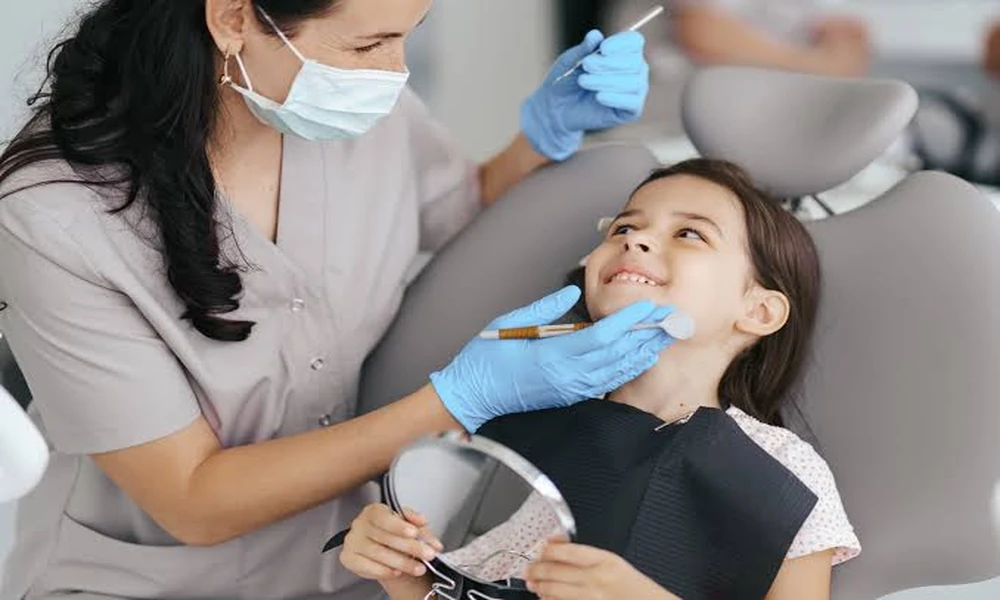
You might be feeling a knot in your stomach just thinking about the dentist. Maybe your child cries before every appointment, or your parent keeps postponing much-needed treatment. You know oral health matters, but the fear in your family is real, and it is starting to shape decisions in ways you do not like. Locust Grove, VA family dentist can untie those knots and give you comfort in choosing the right dentist.
It often starts small. One bad experience with a rushed dentist. A painful injection. The sound of the drill that you still remember from childhood. Over time, those memories turn into stories your children hear, and before long, dental anxiety feels like something your whole family has quietly inherited.
So where does that leave you? The short version is this. A caring family dentist can interrupt that cycle. By using calm communication, flexible approaches, and tools designed for fearful patients, they can help both kids and adults feel safer. That means fewer avoided visits, better long-term health, and a different story for the next generation.
To get there, it helps to understand what is really going on beneath the fear, and how the right dental team can steadily change the experience for everyone in your family.
Why does dental fear run in families, and what makes it so persistent?
Dental anxiety is not just about teeth. It is about control, trust, and old memories. Research on fear and anxiety related to dental care shows that past negative experiences, feeling dismissed, and even stories heard from parents all shape how a person feels in the chair. Studies from groups such as AADOCR have explored how dental experiences and fear are closely linked, especially when pain or shame were involved.
Imagine a parent who grew up with a dentist who did not wait for numbness to work or who scolded them about cavities. That parent may now tense up in the waiting room, talk about “hating the dentist,” or put off cleanings. A child watches all this. Even if the child has never had a bad experience, they absorb the message that dentistry is something to fear.
Because of this tension, you might wonder if things can really change, or if your family is simply “bad with dentists.” The truth is, anxiety can be reduced, but it usually does not disappear on its own. It needs to be met with consistent, thoughtful care.
How can a family dentist change the story for every generation?
This is where a family dental care provider can make a quiet but powerful difference. The same team sees your toddler, your teenager, and your aging parent. They learn your family’s patterns and fears. Over time, they do not just treat teeth. They shape experiences.
The most effective family dentists do a few things very intentionally.
First, they communicate differently. They avoid technical jargon and explain each step in simple, calm language. They ask permission before they begin. Studies highlighted by the American Dental Association show that adjusting communication style and pacing can significantly reduce dental fear. You can see this focus in resources on addressing dental fear through better communication, which emphasize listening, validating, and slowing down when needed.
Second, they respect control. Fear grows when people feel trapped in the chair. A thoughtful dentist will agree on “stop” signals, take breaks without making you feel guilty, and check in often. This is especially important for children and older adults who might have trouble speaking up.
Third, they use tools and technology that soften the experience. That might mean numbing gels before injections, quieter handpieces, distraction options, or even guided breathing. Newer approaches, including digital tools and apps designed to coach patients through anxiety, are being explored. For example, some research suggests an app-based approach could help patients work through their fear alongside in office care.
Over time, this kind of consistent, respectful care does something important. It gives your family new memories. When a child grows up feeling listened to at each visit, they are far less likely to pass on fear to their own children later. That is how a supportive family dentist for anxious patients quietly changes the pattern across generations.
What should you compare when choosing a family dentist for anxious patients?
You might be wondering how to tell the difference between “just any dentist” and one who can truly support an anxious family. A simple comparison can help you sort through your options and your expectations.
< td> Child-friendly language, gradual exposure, praise-based approach.
| Consideration | Typical General Dentist Experience | Anxiety Aware Family Dentist Experience |
|---|---|---|
| Communication style | Explains procedures briefly, may use technical terms, limited time for questions. | Uses plain language, checks understanding, invites questions, adjusts pace for fear. |
| Approach to fear | “You will be fine, do not worry” with little follow-up. | Asks about past experiences, validates fear, plans visits around triggers. |
| Support for children | Same routine for every child, minimal behavior guidance. | |
| Support for adults and seniors | Focuses mainly on treatment needs. | Considers medical conditions, mobility, communication preferences, and anxiety. |
| Tools for anxiety | Standard local anesthesia, TV or music if available. | Numbing gels, distraction methods, possible tech or app support, step-by-step pauses. |
| Long term relationship | Sees each visit as a separate event. | Tracks family history, builds trust over years, aims to reduce fear over time. |
Looking at these differences, you can see why anxiety can shrink or grow depending on where your family receives care. The right practice will not rush to do everything at once. They will think in terms of years, not just today’s appointment.
What can you do now to protect your family’s oral health and ease the fear?
Change does not have to be dramatic to be meaningful. A few intentional steps can make the next visit less stressful and set a better direction for the future.
1. Talk openly with your family dentist about your history and your fears
Before the next appointment, write down what has been hardest for you and your family in the past. Was it pain that was not believed? Feeling rushed. The smell or sound of certain tools. Share this with the dental team when you schedule or at the start of the visit.
A caring dentist cannot fix what they do not know. When you name your fears, you give them something concrete to respond to. Ask how they usually handle anxious patients. Notice whether they listen or hurry past the conversation.
2. Start with small, success-focused visits, especially for kids
For children or very anxious adults, you can request a shorter, low-pressure visit. The goal is not to “get everything done.” The goal is to build one good experience. That might mean a simple exam and cleaning, or even just a “get to know the office” visit for a young child.
Each positive visit becomes a reference point. Instead of “the dentist is always awful,” your child can remember “last time was okay, they were kind, I got through it.” Over time, this reduces fear more effectively than pushing through long, overwhelming appointments.
3. Create simple coping rituals you repeat every visit
Routines create safety. Choose one or two calming habits and use them every time. That might be listening to a favorite song on the way to the office, practicing slow breathing in the waiting room, or agreeing on a hand signal with the dentist to pause.
You can teach children to practice “smell the flower, blow out the candle” breathing while sitting in the chair. Adults might benefit from guided audio, a stress ball, or focusing on a picture in the room. The content of the ritual matters less than the consistency. When your brain recognizes a familiar pattern, it tends to calm more quickly.
Breaking the cycle of dental anxiety for your family
You are not overreacting when you worry about dental fear in your family. Anxiety does not just make visits unpleasant. It leads to skipped appointments, delayed treatment, and more complex problems later. That is a heavy burden to carry, especially when you feel responsible for your children’s experiences as well.
The good news is that you do not have to change everything overnight. By choosing a supportive family dentist, sharing your story honestly, and building small, positive experiences, you can shift the pattern. Your children can grow up with different memories. Your parents can feel more respected and safe. You can walk into the office with a bit less tension each time.
You deserve care that respects both your teeth and your feelings. Your family does too.
