

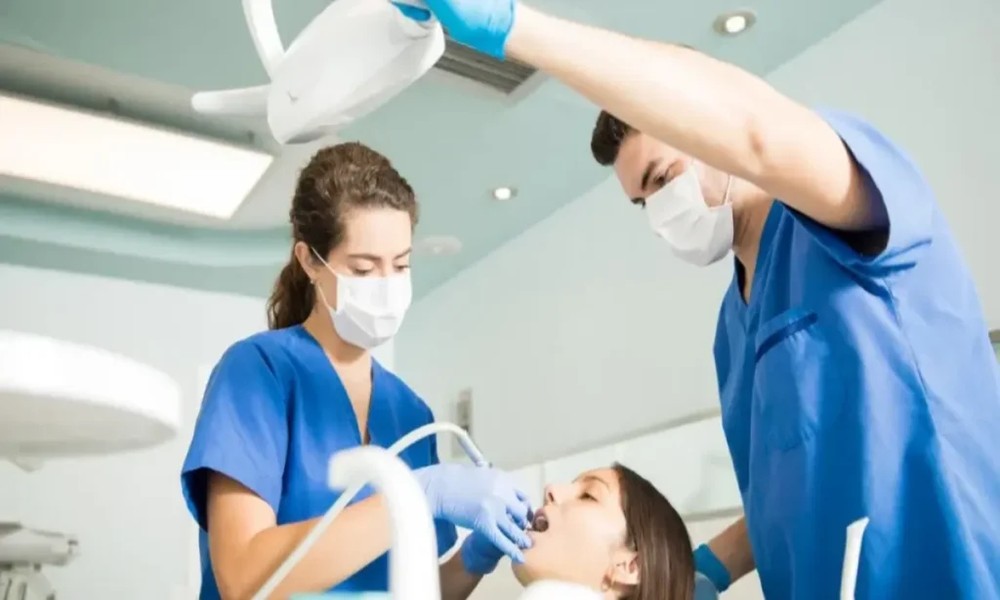
You might be feeling a little torn about your teeth right now. Maybe you brush and floss most days, but there is that nagging worry in the back of your mind about a sudden toothache, a big bill, or a problem that shows up out of nowhere. It often starts with something small. A bit of sensitivity to cold, a twinge when you bite, or a reminder card from the Edison dentist you keep meaning to schedule.end
Because life is busy, it is easy to push dental visits to the bottom of the list. There is work, kids, bills, and a hundred other demands that feel more urgent. Yet when something finally hurts, everything stops. Pain takes over your day, your sleep, and often your budget. That is usually the moment people realize how much easier it would have been to prevent the problem in the first place.
Here is the simple summary. Making preventive dentistry a top priority saves you money, protects your overall health, reduces emergencies, and helps you keep your natural teeth longer. A family dentist who focuses on prevention becomes more than someone who fixes problems. They become a partner who helps you avoid them.
So where does that leave you if you feel behind on your dental care and a little uneasy about what might be going on in your mouth right now.
Why do small dental problems turn into big ones so quickly
You already know that skipping dental care is not ideal. What hurts is the gap between what you know you “should” do and what actually fits into your life and budget. That gap is where stress, guilt, and fear tend to live.
From a practical point of view, teeth rarely go from “fine” to “disaster” overnight. Tiny bits of plaque build up. Gums get a little inflamed. A small cavity starts silently. You feel nothing, so it is easy to assume everything is fine. By the time pain shows up, the problem has usually been growing for months or even years.
That is the emotional trap. You think “If it really mattered, I would feel it,” so you keep postponing care. Then a weekend emergency hits, you are in the chair needing a root canal or extraction, and the cost is several times what routine preventive visits would have been.
According to the Centers for Disease Control and Prevention, untreated cavities are one of the most common chronic conditions, and many of them could be avoided with basic preventive care and regular checkups. You can see more about this on the CDC’s page about oral health basics and prevention.
So what exactly makes preventive dental care so powerful, especially for a busy household trying to stay ahead of both health problems and costs.
Reason 1: Preventive dentistry saves you real money over time
It might feel cheaper to skip a cleaning, especially if budgets are tight. Yet routine visits are usually the least expensive part of dental care. The costly part comes when something that could have been caught early grows into a major treatment.
A small cavity often needs a simple filling. Left alone, that same cavity can reach the nerve, require a root canal and crown, or even an extraction and replacement. Each step up means more visits, more time off work, and a much higher bill. Prevention is not an abstract idea. It is a direct way to protect your wallet.
Reason 2: Early detection means easier and more comfortable treatment
There is a huge difference between treating a tiny issue and dealing with a full-blown dental crisis. When your family dentist catches problems early, treatment is usually quicker, less invasive, and more comfortable.
Consider two scenarios. In the first, you go in every six months. Your dentist spots an early cavity on an X-ray. The filling takes one visit, causes minimal discomfort, and you are back to your day. In the second, you wait until the tooth aches at night. Now the nerve may be involved, the infection may have spread, and you may need multiple visits and more complex procedures.
Early detection is one of the main reasons preventive dental care should be a priority for any family that wants to avoid painful surprises.
Reason 3: Your mouth and your overall health are closely connected
It is easy to think of your mouth as separate from the rest of your body. In reality, your oral health and overall health constantly affect each other. Gum disease has been linked to conditions like diabetes and heart disease. Ongoing inflammation in your gums can add to the total strain on your immune system.
The National Institute of Dental and Craniofacial Research explains how good daily habits like brushing, flossing, and regular professional care support general health. You can explore their guidance on oral hygiene and whole-body health to see how closely these pieces fit together.
When you protect your gums and teeth, you are not just working on your smile. You are also reducing the silent inflammation that can affect the rest of your body.
Reason 4: Fewer emergencies and less disruption to your life
Dental emergencies rarely show up at a convenient time. They happen before a big trip, during a busy work week, or when a child has exams or activities. Pain forces everything else to pause. You scramble to find an emergency appointment, arrange childcare, or take time away from work.
Regular preventive visits and consistent home care lower the chances of sudden infections, broken teeth, or severe pain. Problems still can happen, but they are usually smaller and easier to handle. That stability is especially important for families trying to keep routines steady and avoid extra stress.
Reason 5: Better confidence and everyday comfort
There is also an emotional side to all of this. When you feel unsure about your teeth, you might hide your smile, cover your mouth when you laugh, or avoid certain foods because of sensitivity. That wears on your confidence over time.
Clean, healthy teeth do more than look good. They help you speak clearly, chew comfortably, and feel at ease in social and professional settings. Children who grow up with regular preventive visits also tend to feel more relaxed about dental care as adults, which sets them up for a healthier future.
Reason 6: A long-term relationship with a family dentist who knows you
Working with a family dentist who focuses on prevention gives you continuity. They get to know your medical history, your habits, your fears, and your goals. That familiarity makes every visit smoother and more personal.
For children, seeing the same dentist over time helps build trust. For adults, it means your dentist can spot subtle changes and patterns that a one-time provider might miss. Over the years, this relationship can be one of the strongest tools you have for keeping your natural teeth as long as possible.
How does prevention compare to “wait and see” care
You might be wondering how preventive care actually stacks up against the common “I will go when it hurts” approach. Here is a simple comparison to put it in perspective.
| Approach | Short-term cost | Long-term cost | Comfort | Impact on daily life |
|---|---|---|---|---|
| Regular preventive visits | Small, predictable fees for cleanings and checkups | Lower overall cost due to fewer major treatments | Mild, routine care with early, easier treatments | Planned visits that rarely disrupt work or family plans |
| “Wait until it hurts” approach | Zero now, but hidden risk building over time | Higher costs from emergency visits and complex procedures | More pain, anxiety, and longer recovery | Unplanned emergencies that interrupt school, work, and travel |
The CDC offers simple, research-backed tips on brushing, flossing, and diet that support this preventive approach. You can read more in their guide on oral health tips for adults.
What can you do right now to make preventive dentistry easier
Knowing all of this is helpful, but it only matters if you can turn it into actions that fit your life. You do not need a perfect routine. You just need a steady one.
1. Schedule your next checkup and put it in writing
If it has been more than six months since your last visit, choose a family dentist you trust and book a cleaning and exam. Write the appointment in your calendar and treat it like any other important commitment. If you feel nervous or embarrassed about the gap since your last visit, remember that dentists see this every day. Their focus is on helping you move forward, not judging the past.
2. Simplify your home routine into two non-negotiables
You do not need a complicated routine. Focus on two things you can do every day. Brush twice a day with fluoride toothpaste and clean between your teeth once a day using floss or another tool your dentist recommends. Set a reminder on your phone or tie the habit to something you already do, like your morning coffee or evening screen time.
3. Plan financially for prevention, not just emergencies
If money is a concern, treat preventive care as a planned expense instead of a surprise. Ask your dentist’s office about costs for cleanings and exams, payment options, or membership plans if you do not have insurance. Setting aside a small amount each month for routine care is far easier than trying to absorb a large, unexpected bill for emergency treatment.
Choosing your next step with more confidence
You might still feel a mix of relief and worry. Relief because now you understand why preventive oral care matters so much. Worry because you are thinking about what might be going on in your own mouth. That tension is normal. It simply means you care about your health and you are ready to make a different choice going forward.
You do not have to overhaul everything at once. Start with one decision. Schedule a visit with a family dentist, commit to brushing and flossing every day, or set aside a small amount for your next cleaning. Each small action protects you from bigger problems later.
Your teeth are with you for every conversation, every meal, every smile. Making preventive dentistry a priority is not about perfection. It is about giving yourself and your family a quieter, steadier future with fewer emergencies, fewer surprises, and more reasons to smile without hesitation.
