

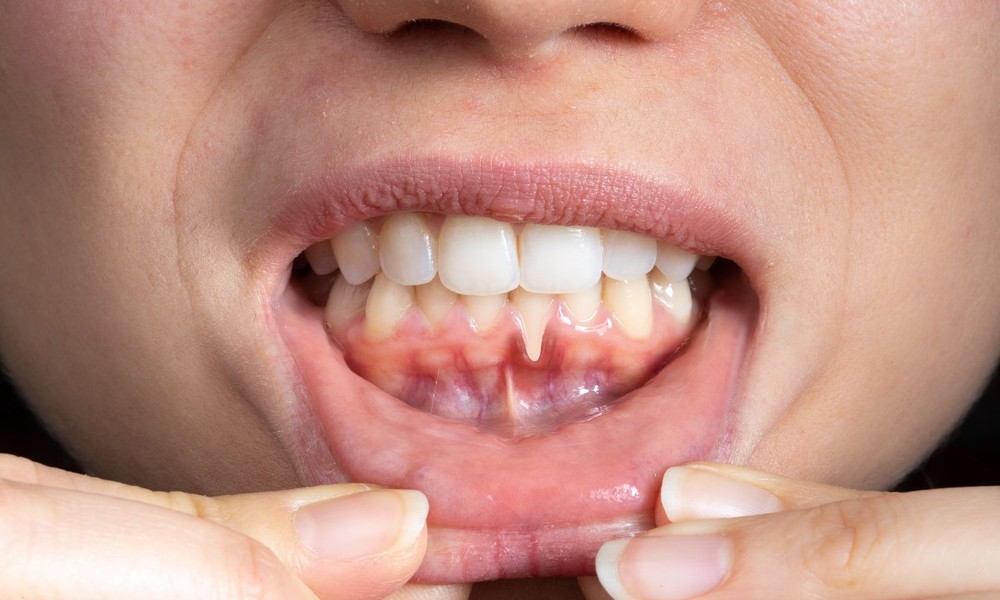
You might be noticing a little bleeding when you brush, some tenderness along your gums, or a taste in your mouth that is hard to ignore. Part of you wants to shrug it off as “just brushing too hard,” and another part of you worries that it might be something more serious. Because of that tension, it is very easy to wait and see, to hope it goes away on its own instead of calling a dentist in Thousand Oaks.
Then the questions start. Is this gum disease. Will I lose teeth. Is treatment painful or expensive. It can feel overwhelming before you even pick up the phone to call a periodontist.
Here is the quiet truth that often gets missed. When gum problems are caught early, they are usually easier, less costly, and far less stressful to treat. Early intervention in periodontal disease can protect your smile, your comfort, and even your general health. You do not need a dental degree to understand it. You just need clear information and a plan.
This guide walks through five key benefits of early care for gum disease, why waiting makes everything harder, and what you can do right now to protect yourself, even if you are feeling anxious or unsure where to start.
What is really happening with periodontal disease, and why does timing matter
Gum disease often starts quietly. The Centers for Disease Control and Prevention explains that periodontal disease is an infection and inflammation of the gums and the bone that support your teeth, usually caused by plaque that is not fully removed over time. You can read more about how it starts and progresses in this overview of gum and periodontal disease.
Early on, you might have gingivitis. Your gums look red, bleed a bit, and feel puffy. At this stage, the bone that holds your teeth is usually still healthy. With proper cleaning and guidance from a periodontist, gingivitis can often be reversed.
If the inflammation continues, it can turn into periodontitis. The gums pull away from the teeth, pockets form, and harmful bacteria reach deeper areas. Over time, this can damage the bone. The National Institute of Dental and Craniofacial Research notes that a large percentage of adults have some level of periodontitis, especially as they age. You can see more details in these statistics on adults with periodontal disease.
So where does that leave you. It means that what you do when symptoms are still “mild” has a big impact on what your future looks like. Early gum disease treatment versus late treatment are very different experiences, both emotionally and financially.
How waiting can turn a small gum problem into a bigger life problem
It often starts with little things. You spit out a bit of blood after flossing. Your gums feel sore when you eat something crunchy. Maybe your partner notices your breath is different, even though you brush every day. Because the pain is not severe, you tell yourself you will mention it at your next regular cleaning, months from now.
During that time, bacteria keep working. The inflammation deepens. Bone starts to break down. One day you bite into something and a tooth feels loose. Now it is no longer a small concern. It has become an urgent problem that affects your confidence, your appearance, and your wallet.
Emotionally, that shift is heavy. People often feel embarrassed that they “let it get this far.” They worry about bad breath at work or social events. They may avoid smiling in photos. They might start chewing on one side of the mouth to avoid discomfort. All of this adds stress to everyday life.
Financially, late-stage periodontal disease is harder to manage. Early treatment might involve a focused cleaning beneath the gums and guidance on home care. Advanced disease can require surgery, multiple deep cleanings, possible extractions, and replacement of lost teeth. The cost and time involved increase as the condition progresses.
The good news is that early intervention in gum disease can often interrupt this path. When you see a periodontist early, you are not just treating bleeding gums. You are protecting the bone that holds your teeth and lowering the risk of more aggressive, expensive treatment later.
5 key benefits of early intervention in periodontal disease
So why act now rather than later. These five benefits often make the difference between a manageable situation and a long, difficult road.
1. You can often prevent tooth loss
Once periodontal disease has destroyed enough bone, teeth can loosen and eventually fall out or need to be removed. Early treatment focuses on stopping the infection before it reaches that stage. That means your natural teeth have a much better chance of staying healthy and stable for the long term.
Think of it like reinforcing the foundation of a house before cracks spread. A periodontist can clean deep pockets, control bacteria, and guide you on daily care so your gums and bone remain strong.
2. Treatment is usually simpler, quicker, and less invasive
An early gum disease treatment plan might include a deep cleaning called scaling and root planing, plus improved brushing and flossing habits. Many people can manage their condition with these steps and regular maintenance visits.
When disease is advanced, you may face gum surgery, bone grafting, extractions, or complex prosthetic work. Those procedures are incredibly helpful when needed, yet they are more demanding for your time, budget, and emotions. Addressing problems early often means fewer appointments, less discomfort, and a smoother recovery.
3. You protect your overall health, not just your mouth
Chronic inflammation in your gums is not isolated. Research has linked periodontal disease with conditions such as heart disease and diabetes. While gum treatment is not a cure for those conditions, reducing ongoing infection in your mouth can lower the inflammatory burden on your body.
MedlinePlus describes periodontitis as an infection that can damage soft tissue and bone. You can learn more about its health impact in this medical overview of periodontitis. Early control of infection is a reasonable step toward supporting your wider health.
4. You gain back comfort, confidence, and peace of mind
Bleeding gums, tenderness, and bad breath all take a quiet toll. You might avoid certain foods, hold back your smile, or feel self conscious in close conversations. When you address the problem early with a periodontist, you give yourself the chance to feel comfortable in your own mouth again.
Health is not just about teeth. It is also about being able to laugh, eat, and speak without worry. Early intervention supports that kind of everyday confidence.
5. You often save money over the long run
It may feel easier to postpone care to “save money now,” yet late-stage periodontal treatment can involve far higher costs. Deep cleanings, gum surgery, extractions, implants, and dentures add up quickly.
By contrast, catching problems at the gingivitis or early periodontitis stage can mean fewer complex procedures. You invest in early care and maintenance to avoid the larger expenses of saving, or replacing, multiple teeth later.
How does early treatment compare to waiting until it is severe
It can help to see the difference side by side. Here is a simple comparison of early periodontal care versus delayed care.
| Aspect | Early Intervention | Delayed Treatment |
|---|---|---|
| Main goal | Stop infection, protect bone, and stabilize gums | Control severe damage, try to save or replace teeth |
| Typical treatments | Deep cleaning, improved home care, regular checkups | Gum surgery, possible extractions, implants or dentures |
| Time and visits | Fewer visits, shorter procedures | Multiple visits, longer and more complex procedures |
| Comfort level | Mild to moderate, usually manageable | Higher discomfort, longer recovery times |
| Long term cost | Often lower, focused on prevention and maintenance | Often higher, due to surgical and restorative work |
| Impact on daily life | Less disruption, quicker return to normal routines | More time off work, more emotional and physical stress |
Seeing these differences can clarify why a small step now can spare you from much bigger steps later.
What can you do right now to protect your gums and teeth
If you are reading this and recognizing your own symptoms, you might be wondering what a realistic next move looks like. You do not need to fix everything overnight. You just need to start.
1. Pay close attention to early warning signs
Notice if your gums bleed when you brush or floss, look red or swollen, feel tender, or seem to be pulling away from your teeth. Persistent bad breath or a change in how your teeth fit together when you bite are also warning signals.
Write down what you notice and how long it has been happening. This simple step will help a periodontist understand your situation quickly and guide you more effectively.
2. Schedule an evaluation with a gum specialist
A periodontist focuses on diagnosing and treating gum and bone problems. Even if you are not sure how serious your symptoms are, an evaluation can give you clarity and options. Early gum disease treatment is often much easier to manage than people expect.
During the visit, you can expect gentle measurements of your gum pockets, X-rays if needed, and an honest conversation about your risks and choices. You are not committing to every possible treatment on day one. You are simply gathering professional information and a plan.
3. Strengthen your home care starting today
While professional care is essential, what you do every day at home shapes your outcome. Brush twice a day with a soft toothbrush, using small circular motions along the gumline. Floss or use interdental cleaners once a day to reach the spaces between your teeth where plaque builds up.
Consider an antimicrobial mouth rinse if your periodontist recommends it. If you smoke, know that quitting can greatly improve your gum health and help treatments work better. Even small steps, repeated daily, support the work that professional cleanings do.
Moving forward with more confidence and less fear
You do not have to wait for pain, loose teeth, or urgent problems before taking periodontal disease seriously. Early intervention in gum disease is about honoring the quiet signals your body is sending now, so you can avoid louder, more disruptive problems later.
By noticing the signs, seeking guidance from an experienced gum disease specialist, and strengthening your daily habits, you give yourself a real chance to protect your teeth, your comfort, and your long term health. Even if you feel worried or a bit ashamed, remember that many adults face this. What matters most is the step you take next.
Your gums are already telling you a story. Choosing early care means you help write the ending.
