

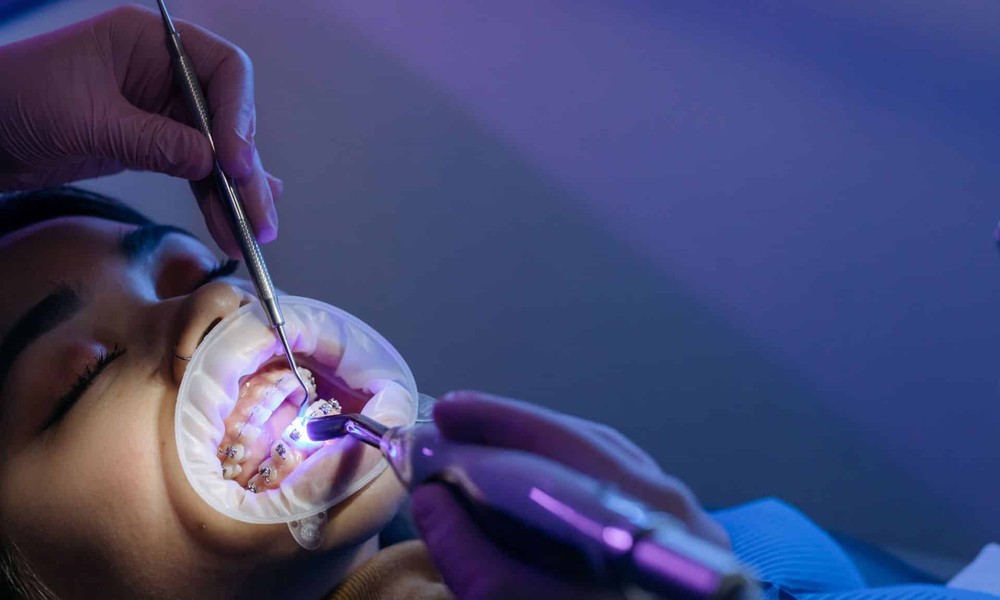
You might be sitting in front of a mirror, staring at your teeth and wondering if all the appointments, the soreness, and the cost of getting braces in La Quinta, Ca are actually leading somewhere. At first, you were hopeful. Now that the novelty has worn off, you might catch yourself thinking, “Is this even working, or am I just imagining it?”end
That question is more common than you think. Orthodontic treatment takes time, and because you see your face every day, it can be hard to notice progress. Add in the occasional discomfort, the pressure to keep everything clean, and the hit to your budget, and it is easy to doubt the process.
The good news is that there are clear, practical signs that your orthodontic treatment is on the right track. You will learn what to look for in your mouth, what to expect at your appointments, and how your daily habits fit into the bigger picture. By the end, you will have a simple way to check in with yourself and feel more confident that you are moving toward the smile you wanted.
Why does orthodontic progress feel so hard to judge?
Orthodontic care is slow on purpose. Teeth move gradually so the bone and gums can adapt in a healthy way. That slow pace protects you, but it can also play tricks on your mind. You might think, “I have been in braces for months, but my front tooth still looks crooked,” or “My aligners feel tight, but I do not see much change.”
Because of this tension between what you feel and what you see, you might start to worry. Are the braces really working. Are you wearing your aligners enough. Are you cleaning well enough. These questions can be stressful, especially if you are paying a lot and juggling work, school, or family life at the same time.
Imagine two different patients. One follows instructions, wears elastics, cleans carefully, and still feels unsure because progress is gradual. The other skips elastics, loses aligners, and rarely brushes at night, yet assumes the doctor will somehow “fix it” at the end. Both are in treatment, but only one is truly on track.
So where does that leave you. It helps to know the specific signs that treatment is moving in the right direction, not just “how you feel” about it on a hard day.
Sign 1: Your teeth and bite are changing in small but steady ways
One of the clearest signs that your orthodontic care is progressing well is visible, gradual change. This does not mean a movie-style transformation overnight. It means that every few weeks, something is a little different.
You might notice that teeth that once overlapped now have a visible gap between them. A tooth that used to sit far behind the others may start to line up with the arch. Your overbite or underbite might look a bit less extreme in photos, especially when you compare pictures a few months apart instead of day to day.
The key word here is “steady.” Some weeks you will notice a lot. Other weeks will feel quiet. That is normal. Your orthodontist plans movement in stages, so some teeth move first while others “wait their turn.” If you never notice any change at all over several months, that is worth a conversation. Otherwise, small shifts are exactly what you want.
Sign 2: Your orthodontist is adjusting things and explaining the plan
Another sign that treatment is on track is what happens between visits. During your appointments, your orthodontist should be making regular adjustments. That may include changing wires, adding or removing elastics, placing small attachments for aligners, or reshaping tiny edges of teeth to help them fit together better.
If every visit feels active, with clear explanations such as “We are closing this space now” or “We are correcting the bite on your right side next,” that usually means your case is being monitored and guided carefully. Good orthodontic care is not “set it and forget it.” It is a series of planned steps and responses to how your teeth are moving.
Between visits, you still have a role. The American Association of Orthodontists shares helpful guidance on caring for your orthodontic treatment between checkups, including how to handle minor issues at home and when to call your doctor. Following this kind of advice helps the adjustments your doctor makes actually work the way they are supposed to.
Sign 3: Your comfort level and soreness patterns make sense
Some discomfort after adjustments or when you start a new aligner is normal. That tenderness is often a sign that the teeth are being activated to move. It usually peaks in the first couple of days, then fades as your mouth adapts.
Being on track does not mean you are pain free every single day. It means the discomfort has a pattern that matches what your orthodontist prepared you for. Short periods of soreness. Occasional rubbing that you can ease with wax. Mild pressure when biting into firm foods. These are expected.
On the other hand, constant sharp pain, sores that never heal, or a wire that has been poking you for weeks without relief are not signs of normal progress. They are signs to call the office. Treatment should challenge your teeth, not exhaust you.
Sign 4: You can keep up with hygiene and daily care
Healthy gums and clean teeth are powerful signs that your orthodontic treatment is on a healthy path. Even if your teeth are still crooked, you should be able to brush around brackets or attachments, floss with the tools you were given, and keep your gums from bleeding most of the time.
If your gums are swollen, bleeding often, or you see new white spots or stains around brackets, that is not just a cosmetic issue. It can slow down tooth movement and increase the risk of damage that may show up after the braces come off. Harvard’s dental experts emphasize the importance of careful orthodontic care and hygiene during treatment so that the final result is both straight and healthy.
So if you can honestly say you are brushing well, cleaning around wires, keeping your aligners clear and odor free, and your orthodontist is happy with your gums, that is a strong sign you are supporting the treatment instead of working against it.
How do these signs compare in real life?
It can help to see these ideas side by side. Imagine two people in treatment. One is generally on track. The other is struggling. The differences usually show up in small daily habits and how they respond to guidance.
| Area | On Track | Needs Attention |
|---|---|---|
| Visible tooth movement | Small changes every few weeks. Photos months apart look different. | Almost no change over many months, or teeth seem to shift back and forth. |
| Appointments | Regular adjustments, clear explanations, questions answered. | Missed visits, long gaps, or no real changes made at appointments. |
| Comfort pattern | Short periods of soreness that fade. Wax and advice help. | Constant sharp pain, frequent broken brackets or lost aligners. |
| Hygiene | Gums mostly pink, bleeding rare. Teeth look clean around brackets. | Swollen, bleeding gums, new stains or white spots, food often stuck. |
| Following instructions | Elastics or aligners worn as directed most of the time. | Forgets elastics often, aligners out for long hours, “guessing” the plan. |
If you recognize yourself more in the “On Track” column, there is a good chance your orthodontic treatment progress is where it should be. If not, you still have time to adjust. Treatment is a partnership, not a test you have already failed.
What can you do right now to feel more confident about your treatment?
You do not have to wait for your next visit to feel more in control. A few focused steps can give you clarity and help your orthodontist help you.
1. Take dated photos and compare every few months
Stand in the same spot, with similar lighting, and take clear photos of your smile from the front and from each side. Do this every 4 to 6 weeks. Do not obsess over tiny differences week to week. Instead, compare photos that are a few months apart. You will often see progress that you could not notice in the mirror each day.
2. Ask direct questions at your next appointment
Write down two or three concerns before you go in. For example, “Is my bite where you expected it to be by now” or “What is the main goal for the next two months.” Ask your orthodontist what would count as “good cooperation” from you. When you understand the next step in plain language, your anxiety usually drops.
3. Tighten up one daily habit that supports movement
Pick the area you know could be better. Maybe you wear aligners only 18 hours a day instead of the recommended 22. Maybe you skip brushing at night a couple of times a week. Choose one habit and improve it for the next month. You might be surprised how much more confident you feel when your actions match the plan for your orthodontist treatment.
Feeling uncertain is normal, but you are not stuck there
It is natural to question a long treatment, especially when you are investing time, money, and patience. The fact that you are wondering whether things are on track means you care about the result, which is a strength, not a flaw.
Look for steady movement, active and clear guidance from your orthodontist, soreness that follows a predictable pattern, and hygiene you can stay on top of. If even one of those areas feels off, bring it up. A simple, honest conversation can realign the plan and your peace of mind.
You do not have to guess whether your treatment is working. You can observe, ask, and adjust. That is how you move from worry to confidence, one small sign at a time.
