

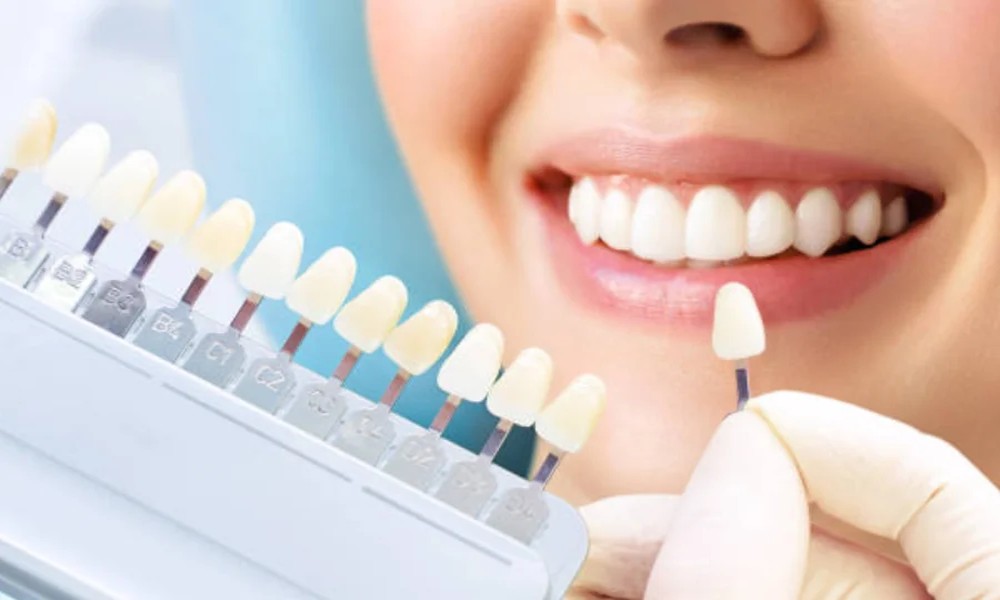
You care about your smile. You also worry about long term oral health. Cosmetic dentistry can support both. It does more than change how your teeth look. It can protect teeth, support gums, and make daily care easier. A Woburn dentist can use cosmetic treatments to fix chips, close gaps, and smooth rough edges. These small changes can reduce places where plaque hides. Then brushing and flossing work better. Cosmetic work can also correct bite problems that strain teeth. This lowers the chance of cracks and worn enamel. Even whitening can motivate you to keep a cleaner mouth. You feel proud of your smile, so you protect it. When you combine cosmetic care with cleanings and exams, you build strong habits. You get a smile that looks healthy. You also get a mouth that stays strong through the years.
1. Smoother tooth surfaces help you clean better
Rough, chipped, or uneven teeth trap food. They give plaque more places to grow. That makes brushing and flossing hard for you and for your child.
Cosmetic bonding and tooth contouring can:
- Fill small chips
- Round sharp corners
- Close tiny ledges that catch food
As a result, your toothbrush reaches more surfaces. Your floss slips between teeth with less struggle. Routine care works with less effort. You spend the same few minutes at the sink, yet remove more plaque.
The Centers for Disease Control and Prevention links plaque and poor cleaning with decay and gum disease. When cosmetic work removes plaque traps, you cut that risk for your whole family.
2. Straighter teeth lower your risk for decay and gum disease
Crowded or twisted teeth create tight, hidden spots. Those spots are hard to clean. They often get cavities and sore gums first.
Clear aligners and braces count as cosmetic care for many adults. Yet they also give strong preventive benefits. Straighter teeth can:
- Reduce plaque build up between teeth
- Lower bleeding and swelling along the gums
- Spread chewing forces more evenly
Even small tooth movements help. You may not seek a movie star smile. You may only want teeth that no longer overlap. That small change can protect the teeth at highest risk.
3. Correcting your bite protects teeth and jaw joints
A poor bite wears teeth down. It can crack fillings and stress your jaw joints. You might notice sore teeth, morning headaches, or jaw noise.
Cosmetic crowns, bonding, and reshaping can adjust how your teeth meet. Orthodontic treatment can move teeth into a more stable bite. These steps can:
- Lower grinding and clenching damage
- Protect thin or weak enamel
- Make chewing feel more even and calm
Over time, a stable bite helps you avoid broken teeth and dental emergencies. That protects your budget as well as your health.
4. Cosmetic repairs seal weak spots before they become big problems
Small flaws often turn into large damage. A tiny chip invites deeper cracks. A worn edge can break during a meal. A short front tooth can hit too hard and fail.
Cosmetic dentistry can step in early. Your dentist may suggest:
- Bonding to cover a crack line
- Veneers to shield thin enamel on front teeth
- Crowns to protect teeth that have already lost structure
These treatments seal and support teeth. They block bacteria and spread chewing forces. That helps you avoid root canals and extractions later.
5. A smile you like keeps you engaged in care
People who like their smile often care for it more. You see value in your daily effort. You stay loyal to checkups. You act early when something feels wrong.
Cosmetic whitening, reshaping, or veneers can change how you feel when you look in the mirror. That emotional shift matters. It can:
- Push you to brush twice a day without skipping
- Make you more careful with sugar and snacks
- Encourage your children to copy your good habits
The National Institute of Dental and Craniofacial Research stresses daily brushing, flossing, and regular dentist visits. Cosmetic care often becomes the spark that keeps you doing those basic steps for life.
How cosmetic and preventive care work together
You do not need to choose between looks and health. You can plan care that supports both. The table below shows how common cosmetic treatments line up with preventive benefits.
|
Treatment type |
Main cosmetic goal |
Key preventive benefit |
|---|---|---|
|
Teeth whitening |
Lighten stained teeth |
Motivates better daily cleaning and fewer stain-causing drinks |
|
Bonding and contouring |
Fix chips and shape edges |
Removes plaque traps and rough spots that irritate gums |
|
Veneers |
Change color and shape of front teeth |
Shield weak enamel and close small gaps that catch food |
|
Crowns |
Improve look of damaged teeth |
Protect cracked or heavily filled teeth from breaking |
|
Aligners or braces |
Straighten crooked teeth |
Make brushing and flossing easier and balance the bite |
How to decide what makes sense for your family
You do not need every treatment. You only need the ones that support your health and your goals. A simple plan often works best.
Use three steps.
- First, keep your base care strong. Brush, floss, and schedule cleanings and exams.
- Second, ask which teeth have the highest risk for future problems.
- Third, talk about cosmetic options that also protect those teeth.
Ask clear questions.
- Will this treatment make cleaning easier
- Can it lower my chance of cracks or cavities
- How long will the result last with good care
When you choose cosmetic dentistry that supports prevention, you get more than a nice photo. You guard your teeth, reduce pain, and give your family a calmer dental future.
