

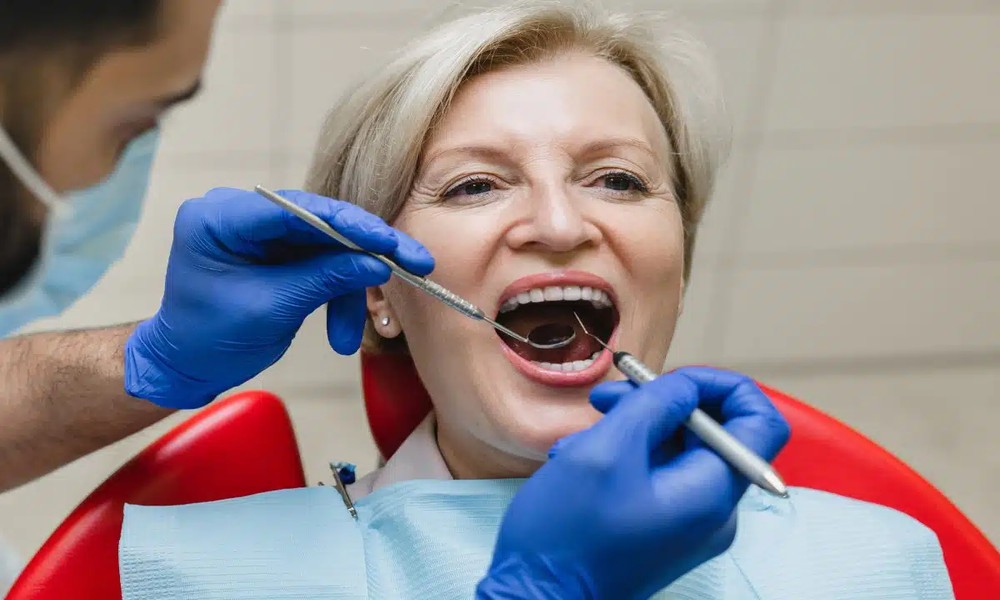
You brush, you floss, and you feel fine. So you skip the dentist and hope for the best. That choice can cost you your teeth, your money, and your peace of mind. Regular checkups do more than clean your smile. They catch decay before it spreads. They spot silent infections before they reach the bone. They also reveal health problems in your body that first show up in your mouth. During a visit, your dentist checks your gums, tongue, jaw, and throat. You get simple tests that can uncover cancer, diabetes, and heart risk. You gain clear answers instead of fear. You also build trust with a dentist who knows your history and your needs. If you see a dentist in Dawson Creek. BC on a steady schedule, you give yourself protection, control, and relief from future pain.
What Happens At A Regular Dental Checkup
You sit in the chair. You open your mouth. You might think the dentist only looks for cavities. The visit gives you much more.
During a standard checkup, you usually receive three main services.
- A full look at your teeth, gums, and tongue
- A cleaning that removes hard buildup
- Guidance on brushing, flossing, and food choices
The dental team uses small tools and sometimes x rays. They search for decay, broken fillings, gum swelling, and signs of grinding. They clean away plaque and tartar that your brush cannot reach. They also check how your teeth fit together when you bite. Each step guards you against pain and tooth loss.
Why Early Detection Protects Your Health
Tooth problems grow in silence. You often feel nothing until the damage is deep. Regular visits cut in before that point. This protects three parts of your life.
- Your health
- Your time
- Your money
Small cavities need quick fillings. Ignored cavities can reach the nerve and need root canals or removal. Gum disease can start with light bleeding. Ignoring bleeding gums can lead to loose teeth and bone loss. A short checkup now prevents long treatment later.
The mouth also reflects diseases in the body. The dentist might see signs that point to diabetes, heart disease, or weak immune function. The Centers for Disease Control and Prevention links poor oral health with diabetes control and heart problems. A simple dental visit can push you to seek medical care sooner.
How Often You Need To Go
Many people hear “every six months” and accept it. That schedule works for most adults and children. Some need more frequent checks because of three things.
- Past gum disease
- Multiple fillings or crowns
- Health conditions such as diabetes or dry mouth
Your dentist will tell you what fits your mouth and your health. The key is routine. Skipping years between visits lets problems grow in the dark.
Comparing Regular Visits And Waiting For Pain
|
Choice |
Short Term Effect |
Long Term Health Impact |
Typical Cost Pattern |
|---|---|---|---|
|
Regular checkups every 6 to 12 months |
Quick visits. Mild cleaning discomfort |
Fewer lost teeth. Lower risk of severe infection |
Smaller, steady costs for exams and cleanings |
|
Waiting until you feel pain |
Longer visits. Higher pain during treatment |
Higher chance of extractions and gum disease |
Large sudden bills for root canals, crowns, or dentures |
|
Never going |
No time spent in a clinic |
High risk of tooth loss, infection, and poor nutrition |
Future emergency care in hospital or urgent clinics |
Why Children And Teens Need Dental Visits
Baby teeth fall out. Many parents think they do not matter. They do. Healthy baby teeth help your child eat, sleep, and speak. They also guide adult teeth into better positions.
Regular visits for children help in three ways.
- They build calm habits and lower fear
- They catch early decay in grooves of new molars
- They spot jaw growth problems that might need braces
The Canadian Dental Association advises that the first visit should happen within six months of the first tooth, and no later than age one. Early care protects your child from pain and missed school days.
How Dental Visits Support Adults And Older Adults
As you age, your mouth changes. Gums can recede. Old fillings can crack. Many medicines dry your mouth and raise the risk. Teeth wear down from years of use.
Regular checkups help you manage three common issues.
- Sensitivity from exposed roots
- Broken or loose fillings and crowns
- Dentures that rub or do not fit
Your dentist can adjust dentures, smooth rough edges, and apply fluoride to weak spots. This protects you from infections that can spread to other parts of your body.
Reducing Fear And Shame About Dental Visits
Many people avoid dentists because of fear, shame, or past pain. You might feel judged about your teeth or your habits. That fear is common. It is also treatable.
You can lower that fear with three steps.
- Tell the dental team you feel nervous
- Ask for clear explanations before each step
- Agree on a hand signal to pause treatment
Modern dental methods focus on comfort. Numbing is more precise. Tools are smaller. You gain control when you speak up. You also gain respect when you keep showing up.
Simple Daily Habits That Support Your Checkups
Dental visits work best when you care for your mouth at home. You do not need complex routines. You only need steady habits.
- Brush twice a day with fluoride toothpaste
- Clean between teeth once a day with floss or small brushes
- Limit sugary drinks and snacks between meals
These steps help your dentist see a cleaner mouth. That makes visits shorter and more pleasant. It also lowers your chance of needing more treatment.
Taking Your Next Step
You might feel fine today. Pain often comes late. Regular checkups give you early warning, quick fixes, and strong teeth that last. They also guard your heart, blood sugar, and general health.
Choose a schedule. Book your next visit before you leave the clinic. Treat each appointment like any other health check. Your future self will thank you with a steady bite, clear speech, and freedom from sudden dental emergencies.
