

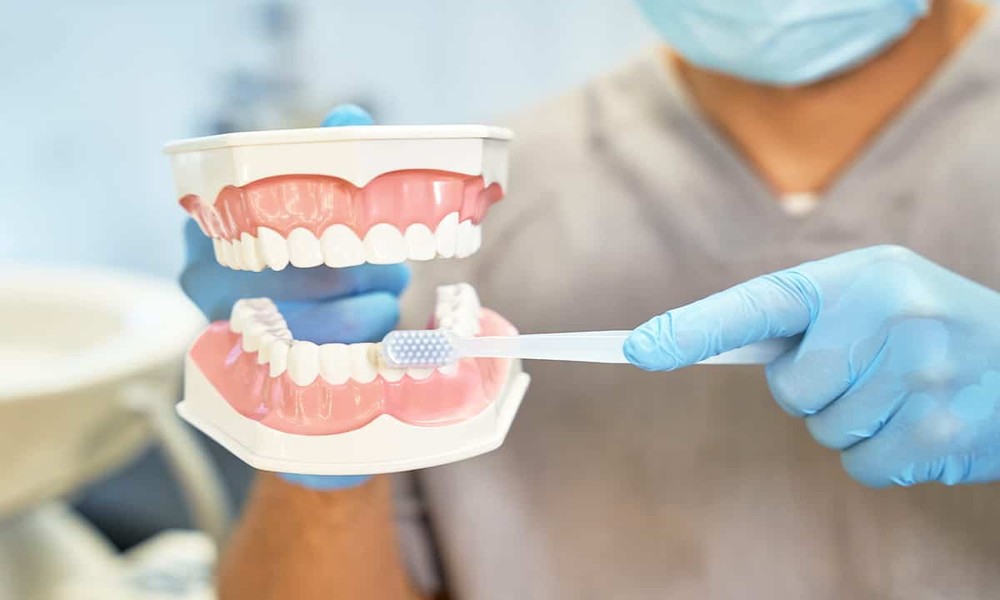
Healthy teeth protect more than your smile. They protect how you eat, speak, and connect with people you love. When you bring your family to the dentist only for pain or emergencies, you accept avoidable risk and cost. Preventive services change that pattern. They catch problems early. They strengthen teeth before small issues grow into infections or tooth loss. This blog explains 5 preventive services that you can add to your family’s routine dental care. Each one is simple. Each one supports children, adults, and older relatives in different ways. You will see how regular cleanings, exams, and other targeted services work together. You will also see how specialties like Livermore cosmetic dentistry sometimes overlap with prevention by correcting small issues before they become major damage. With clear steps, you can use these services to protect your family’s health and lower dental stress over time.
1. Regular exams and cleanings
You need routine exams and cleanings at least twice a year. Children and adults both benefit. A dentist and hygienist look for early decay, gum disease, infections, and signs of grinding. They also clean away plaque and tartar that brushing and flossing leave behind.
During these visits you can expect three things.
- A full look at teeth, gums, tongue, and jaw
- Cleaning that reaches under the gumline
- Advice tailored to your family’s habits and risks
The Centers for Disease Control and Prevention explains that regular professional care and home care together lower cavities and gum disease.
2. Fluoride treatments
Fluoride strengthens tooth enamel. It helps teeth resist acid from food and bacteria. You and your children may get some fluoride from water and toothpaste. In many families, that is not enough to protect against frequent snacks, sugary drinks, or dry mouth.
Professional fluoride treatments are quick. A dentist or hygienist applies foam, gel, or varnish to teeth. It sets within minutes. There is no pain. Children benefit most because their teeth are still forming. Adults with a history of decay, gum disease, braces, or dry mouth also gain strong protection.
The American Dental Association explains that fluoride lowers decay in both children and adults.
3. Dental sealants for children and teens
Sealants protect the chewing surfaces of back teeth. Those grooves trap food and bacteria. Children often miss those spots when they brush. Sealants cover those grooves with a thin shield. This stops food from sticking and lowers the chance of cavities.
Sealants usually go on permanent molars soon after they come in. That often happens around ages 6 and 12. The process is simple. The tooth is cleaned. A conditioning liquid is placed. The sealant is brushed on. A curing light hardens it.
Sealants can last for years with regular checkups. A dentist can repair or replace them if they chip or wear. This one step can protect your child from fillings and future crowns.
4. Periodontal care for healthy gums
Gum health matters as much as tooth health. Bleeding when you brush, swollen gums, or bad breath that does not improve can signal gum disease. Many people ignore these signs until their teeth loosen or infections spread.
Preventive gum care includes three key actions.
- Early checks for gum pockets and bleeding
- Deep cleanings that remove plaque and tartar under the gums
- Clear home care plans for brushing, flossing, and rinsing
When you treat gum problems early, you lower pain, tooth loss, and cost. You also reduce strain on your body. Research links gum disease with heart disease and diabetes control.
5. X-rays and early detection services
Many serious dental problems start out silently. X-rays help your dentist see decay between teeth, bone loss, infections, and extra or missing teeth in children. They guide treatment before pain starts.
Different types of X-rays show different parts of your mouth. Some focus on a few teeth. Others show the whole jaw. Your dentist chooses a schedule based on age, risk, and health history. Modern digital X-rays use low radiation and clear images.
Along with X-rays, your dentist may use other checks. These can include bite checks to find grinding or clenching and screenings for oral cancer. Early detection gives you more options and less hardship.
Comparing key preventive services
|
Service |
Main purpose |
Best for |
Typical frequency |
|---|---|---|---|
|
Exams and cleanings |
Remove plaque and tartar. Find early problems. |
All family members |
Every 6 months, or as advised |
|
Fluoride treatments |
Strengthen enamel. Lower decay. |
Children. Adults with high decay risk. |
Every 3 to 12 months |
|
Dental sealants |
Protect back teeth from cavities. |
Children and teens |
Once per tooth, with checks at visits |
|
Periodontal care |
Prevent and treat gum disease. |
Adults. Teens with gum concerns. |
As part of each exam. Deep care as needed. |
|
X rays and screenings |
Find hidden decay and bone changes. |
Children and adults |
Putting it all together for your family
You do not need to add every service at once. You can start with three steps.
- Schedule routine exams and cleanings for each family member
- Ask your dentist to review who needs fluoride, sealants, or gum care
- Create a written home plan for brushing, flossing, and snacks
Each small choice builds long-term stability. Preventive care lowers emergencies, missed school, missed work, and fear. It also supports confidence when you talk, eat, and smile. With steady habits and help from your dental team, you guide your family toward strong, dependable oral health.
