

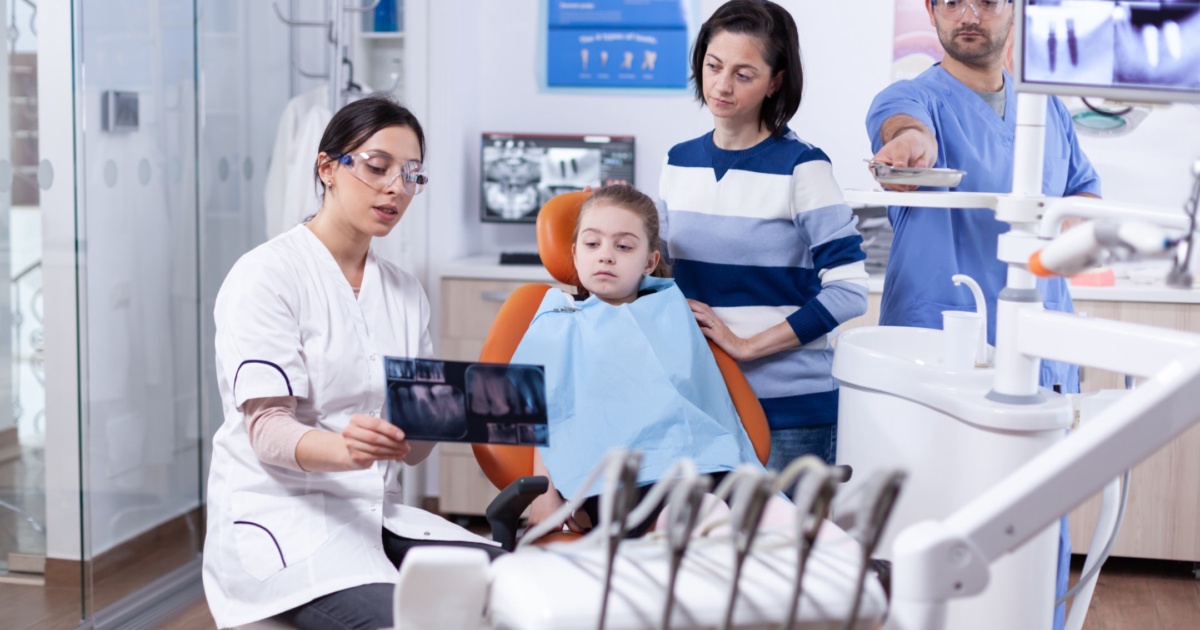
Family dentistry gives your home a steady anchor for oral health. You do your best to teach brushing, flossing, and smart food choices. Then life gets loud, schedules slip, and those lessons fade. Regular visits with a trusted family dentist turn those home rules into daily habits. Your children hear the same message from another adult. You get clear guidance that matches each stage of life. Together you spot small problems early, before they grow painful and costly. This support matters whether you see a general dentist or a specialist such as a periodontist in Thousand Oaks. Each visit becomes a teaching moment, not only a checkup. You walk away with simple steps you can use that same night at the bathroom sink. Over time, home and clinic work as one system. Your family gains fewer cavities, less fear, and stronger control over oral health.
Why your home lessons need backup
You tell your child to brush. You ask if they floss. You warn about candy. Still, plaque grows. Gums bleed. Arguments start in the hallway outside the bathroom.
Home rules often fail for three reasons.
- Kids test limits and ignore reminders
- Adults feel tired and skip their own routines
- No one checks if brushing and flossing work
Family dentists close that gap. They do three simple things.
- Show where plaque hides and how to clean it
- Measure change at every visit
- Give clear, short goals for the next few months
This turns vague advice into a clear plan. It also removes blame. You and your child face the problem together instead of against each other.
How dentists repeat and strengthen your messages
Children hear many orders each day. Brush your teeth. Do your homework. Clean your room. These blend together and lose power.
In the clinic, the same messages sound different. A dental professional uses models, mirrors, and simple language. Your child sees plaque stains on their own teeth. They hear what will happen if they ignore it. They also hear what will improve if they change one small habit.
Most family visits reinforce three core lessons.
- Brush twice a day with fluoride toothpaste
- Floss once a day to clean between teeth
- Limit sugary drinks and snacks
The Centers for Disease Control and Prevention explains how these steps prevent decay and infection.
When your home rules match clinic advice your child feels a united front. That steady message builds trust and routine.
Age based guidance for the whole family
Family practices support every stag,e of life. Each stage needs a different focus. Yet the same office can guide you through Age-based.
- Young children learn how to brush and feel safe in the chair
- Teens learn to manage braces, sports guards, and soda cravings
- Adults learn how stress, smoking, and health conditions affect gums and teeth
That long relationship cuts guesswork. Your dentist knows your family history. They know who tends to get cavities, who grinds teeth at night, and who fears treatment. This history shapes clear, personal advice that you can use at home right away.
What happens between checkups
The real test of any visit comes after you leave. Strong family dentistry gives you three things to carry home.
- A simple brushing and flossing plan
- Food and drink tips that fit your budget and culture
- A clear date for the next checkup
Examples include.
- Switching from sticky fruit snacks to fresh fruit
- Using a timer or song for two-minute brushing
- Keeping floss where kids can reach it on their own
The National Institute of Dental and Craniofacial Research offers easy guides for home care.
How regular visits change outcomes
Routine care stops many problems before they start. The table below shows how habits and visit frequency often link to common results. It does not replace advice from your own dentist. It gives a clear picture of the trends many families face.
|
Home habits and visit pattern |
Common short term result |
Common long term result |
|---|---|---|
|
Brush once a day, no floss, visit less than once a year |
New cavities, bad breath |
Fillings, extractions, gum disease |
|
Brush twice a day, rare floss, visit once a year |
Some plaque and mild bleeding |
More fillings, early gum problems |
|
Brush twice a day, floss most days, visit every six months |
Clean exams, few small issues |
Fewer cavities, stable gums, lower costs |
|
Brush and floss daily, limit sugar, visit every six months with extra cleanings if advised |
Very small plaque build up |
Strong teeth, firm gums, fewer urgent visits |
Each visit becomes a checkpoint. You see if home habits work. You adjust before damage grows.
Turning fear into confidence
Many children fear the dentist. Many adults also do. That fear often comes from pain in the past or from unknown tools and sounds.
Family dentistry softens this. The team learns your child’s name. They explain each step before it starts. They let your child touch a mirror or water spray. You stay in the room when needed. Your calm presence plus the team’s steady tone reduces panic.
Over time three changes appear.
- Your child walks into the office without tears
- You stop putting off your own visits
- Everyone sees oral health as part of normal life
That shift makes home care less of a fight. It becomes routine like hand washing and seat belts.
Simple steps to link home and clinic
You can strengthen the bond between your home and your family dentist with three quick actions.
- Use the same words your dentist uses when you talk about teeth
- Post the next visit date on the fridge where everyone can see it
- Ask your child to show the dentist how they brush at each visit
Then share feedback in both directions. Tell your dentist which tips work and which fail at home. Tell your child what the dentist said about their progress. That two way flow keeps lessons alive between visits.
When clinic care and home care match, your family gains more than clean teeth. You gain control, relief, and steady two-way communication that protects health for years.
