

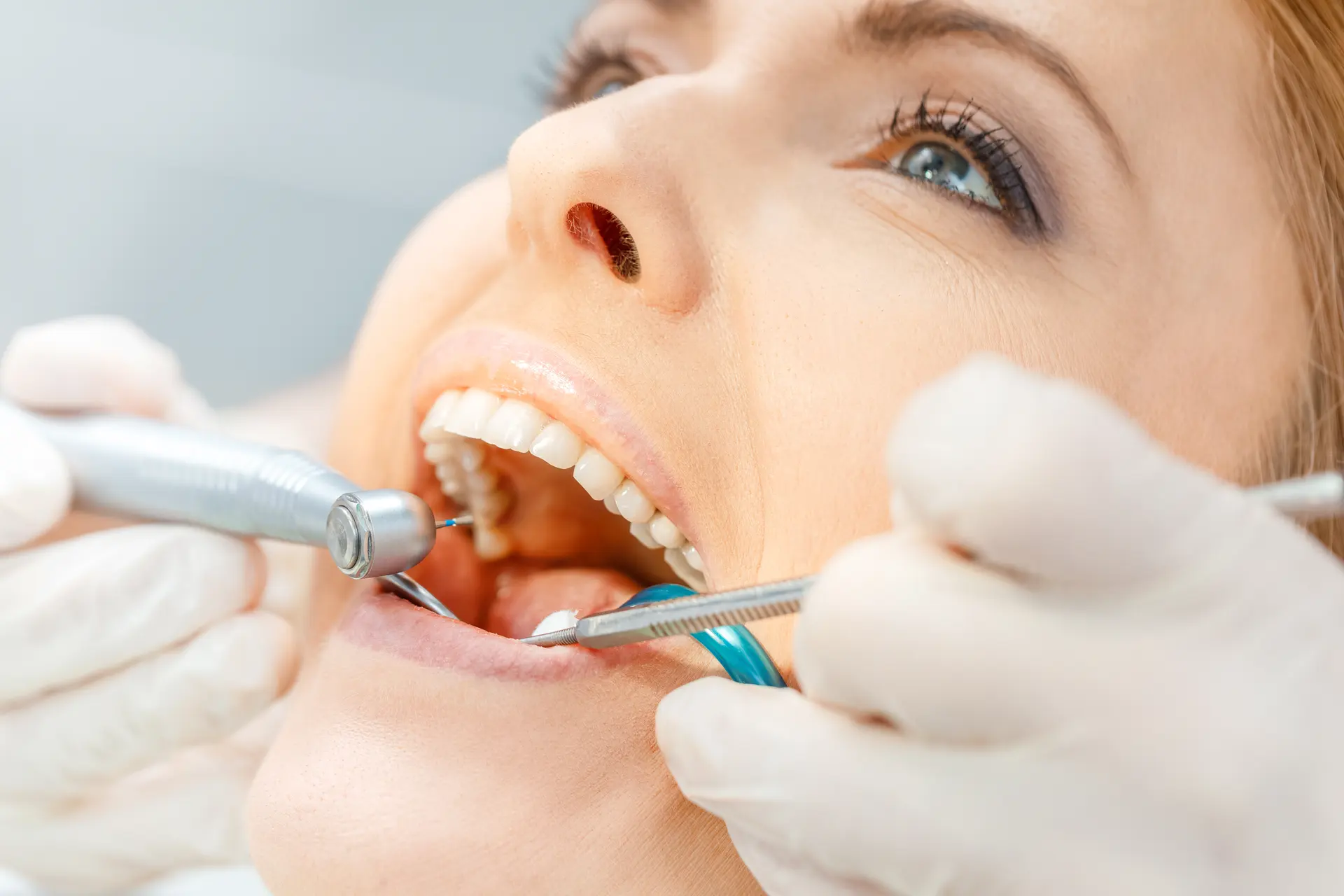
Regular checkups feel easy to skip when money is tight, or life feels crowded. Yet every missed visit lets small dental problems grow into expensive emergencies. You may think you are saving money by waiting. In truth, you are often setting yourself up for root canals, extractions, or even dental implants in Chelsea, NYC that cost far more than a cleaning and exam. Regular checkups help your dentist find decay early, clean away plaque, and track changes in your gums. As a result, you avoid deep pain, long treatment plans, and surprise bills. You also keep more of your natural teeth for more years. This blog explains how simple checkups lower long-term dental costs, protect your health, and give you more control over your budget.
What Happens During a Regular Checkup
You might picture a checkup as a quick look and a polish. In fact, a routine visit does three things that protect your wallet.
- Finds early signs of decay or cracks
- Removes plaque and tartar that you cannot brush off
- Checks your gums and mouth for infection or sores
Your dentist and hygienist use simple tools and X-rays. They look for tiny soft spots, worn fillings, and gum pockets. These can stay quiet for months. Yet they grow under the surface. A small cavity is cheap to treat. A deep cavity that reaches the nerve can lead to a root canal, a crown, or a pulled tooth. Each step up in treatment multiplies the cost.
How Small Problems Turn Into Big Bills
To understand the money side, it helps to compare what you might pay. These are sample ranges. Costs vary by clinic, city, and insurance. Still, the pattern stays the same. Early care costs less. Late care costs more and hurts more.
| Type of care | When it happens | Typical purpose | Relative cost level |
|---|---|---|---|
| Checkup and cleaning | Every 6 to 12 months | Prevent problems and catch early decay | Low |
| Small filling | Early cavity | Repair limited decay | Low to moderate |
| Large filling or crown | Deep or wide decay | Save damaged tooth | Moderate to high |
| Root canal | Infected tooth nerve | Relieve pain and keep tooth | High |
| Extraction and replacement | Tooth cannot be saved | Remove tooth and restore chewing | Highest |
Regular visits keep you in the first row of that table. You pay for checkups and small fixes instead of emergency care and complex work. You also miss fewer days at work or school.
Prevention Costs Less Than Repair
The science is clear. Preventive care saves money over time. The Centers for Disease Control and Prevention explains that sealants on children’s back teeth prevent about 80 percent of cavities in those teeth for two years. They keep working for up to four years or more.
That pattern applies to adults, too. Fluoride treatments, cleanings, and early fillings cost less than crowns and extractions. Each time you prevent one large treatment, you free money for other needs, such as rent, food, or childcare.
Insurance, Checkups, and Your Out-of-Pocket Costs
If you have dental insurance, you often pay little or nothing for checkups and cleanings. Insurers cover these visits because they lower later claims. When you skip a covered checkup, you leave money on the table and raise your risk of a large bill later.
If you do not have insurance, regular care still helps. You can spread costs over the year instead of facing a single huge charge. Many clinics offer payment plans for routine care. Community health centers and dental schools may reduce fees. The Health Resources and Services Administration lists community health centers.
Why Checkups Protect Your Whole Body
Your mouth connects to the rest of your body. Gum disease is linked to heart disease, diabetes, and pregnancy problems. Infections in your teeth can spread to your jaw, face, or bloodstream. That can mean hospital stays and very high medical bills.
Regular checkups lower these risks in three ways.
- They reduce infection in your gums and bone
- They help control pain before it disrupts sleep and eating
- They support better control of long-term conditions such as diabetes
Better oral health can mean fewer doctor visits, less medicine, and lower total health costs across your life.
Planning a Low-Cost Checkup Routine for Your Family
You can treat dental care like any other part of a family budget. A simple plan helps you stay ahead of problems.
- Schedule checkups for every person in your home at least once a year
- Ask the clinic to set your next visit before you leave
- Use reminders on your phone or calendar
Next, talk openly about money.
- Ask for a cost estimate for each visit and each treatment option
- Discuss payment plans or sliding fee scales if you qualify
- Check if your employer, union, or school offers low-cost dental coverage
You can also teach children simple habits that protect your budget.
- Brush with fluoride toothpaste twice a day
- Limit sugary drinks and snacks between meals
- Use a mouthguard for sports to avoid broken teeth
When You Already Have Dental Problems
Many people avoid the dentist because they feel shame or fear. You might worry that the damage is too far gone or that you will be judged. You deserve care without blame. Dentists see many mouths every day. They focus on repair and relief, not on criticism.
If you already need major work, regular checkups still lower costs. You and your dentist can create a step-by-step plan.
- Start with the teeth that hurt or that risk infection
- Schedule work in stages that match your budget
- Use each checkup to review progress and update the plan
This steady approach keeps problems from spreading to other teeth. It also reduces the chance that you will need more extractions or implants later.
Key Takeaways for Long Term Savings
You do not need perfect teeth to protect your wallet. You only need steady care and early action. Regular checkups give you three strong benefits.
- Lower treatment costs over time
- Less pain and fewer dental emergencies
- Better health for your whole body
When you keep these visits, you choose control over a crisis. You trade surprise bills for planned care. You support your own health and your family’s stability. That choice is simple. Schedule the next checkup. Then keep going.
