

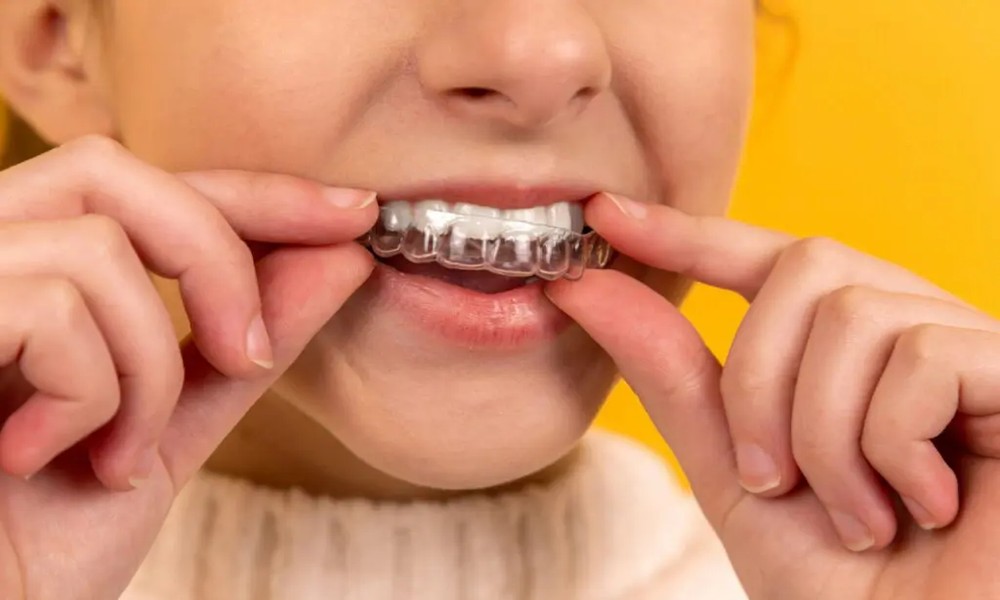
Braces and clear aligners can straighten your teeth and change your life. They also trap food, plaque, and bacteria in places you cannot easily reach. That raises your risk for cavities, gum swelling, and stains that can last long after treatment ends. You might feel tired, rushed, or sore, and daily care can slip. Yet your choices now will shape your smile for years. Strong habits during orthodontic treatment protect your teeth, gums, and jaw. They also help you avoid extra visits, higher costs, and future fixes like porcelain veneers in North Phoenix. This guide gives you six clear tips you can start today. You will learn how to brush and floss with braces or aligners, what to eat, and how to use simple tools that make cleaning easier. Each step is small. Together, they keep your mouth clean, your breath fresh, and your treatment on track.
1. Brush with care and with a plan
You need to brush more often during treatment. Food sticks to brackets, wires, and aligner attachments. That feeds bacteria that cause tooth decay and gum disease. The Centers for Disease Control and Prevention links poor brushing to higher rates of cavities and infection.
Use this simple routine.
- Brush at least three times each day. Morning, after the main meal, and before bed.
- Use a soft toothbrush and fluoride toothpaste.
- Angle the bristles toward the gums. Then the angle above and below the brackets.
- Brush for two full minutes. Count to ten for each small group of teeth.
For aligners, remove the trays first. Then brush your teeth. Next, brush the aligners with a soft brush and cool water. Never use hot water. It can warp the plastic and affect your treatment.
2. Floss every day, even with wires
Flossing feels hard with braces. It still matters. Brushing alone cannot reach between teeth. The National Institute of Dental and Craniofacial Research explains that plaque between teeth is a major cause of cavities.
You have three main choices.
- Regular floss with a floss threader
- Pre-threaded orthodontic flossers
- Water flosser
Pick the tool you will use every day. Then follow the three steps. Slide between the teeth. Hug the side of one tooth and move up and down. Then switch to the other side. Work tooth by tooth, top and bottom. For aligners, floss before you place the trays back in your mouth.
3. Choose food that treats your teeth well
Food choices can protect your teeth or hurt them. Sticky and hard foods cling to braces and crack wires. Sugary drinks coat your teeth and feed bacteria.
Use this table as a quick guide.
|
Choice |
Better for braces or aligners |
Risk for teeth and gums |
|---|---|---|
|
Plain water |
Yes |
Helps rinse food and sugar |
|
Milk or unsweetened dairy |
Yes |
Gives calcium for teeth |
|
Whole fruits cut into small pieces |
Yes |
Lower risk if you avoid biting hard pieces |
|
Sticky candy or gum with sugar |
No |
Clings to brackets and raises cavity risk |
|
Hard nuts, ice, popcorn kernels |
No |
Can break wires or chip teeth |
|
Soda, sports drinks, energy drinks |
No |
High sugar and acid that weaken enamel |
Try this rule. Choose water, plain milk, soft fruits, cooked vegetables, and lean protein. Avoid sticky, chewy, and hard snacks. For aligners, remove trays before eating or drinking anything except water. Then brush before you place them back.
4. Use simple cleaning tools that work with your life
The right tools make care easier. You do not need fancy devices. You need tools that fit your routine and your hands.
- Interdental brushes clean around brackets and under wires.
- Orthodontic toothbrushes have a trimmed center to fit around braces.
- Fluoride mouth rinse can lower cavity risk when used once a day.
Keep a small kit with a travel toothbrush, floss or flossers, and interdental brushes. Carry it to school, work, or sports. Then you can clean your teeth after meals. Simple habits like this cut down plaque and stains that can show when the braces come off.
5. Protect your mouth during sports and rough play
Braces and aligners change how your lips and cheeks hit your teeth. A hit to the mouth can cut the inside of your lips or break brackets. Aligners can also crack.
Use a mouthguard during sports. For braces, ask for a guard that fits over the brackets. For aligners, your orthodontist may ask you to remove the trays during play and wear a guard instead. After playing, clean the guard and store it dry. Also, clean your teeth before you put aligners back in.
If you feel sudden pain, see a broken wire, or lose an aligner, call your orthodontic office right away. Quick care can prevent longer treatment and extra cost.
6. Keep regular checkups and speak up about problems
Orthodontic visits check tooth movement. Dental visits check tooth health. You need both. Plan to see a dentist for cleanings and exams at least twice a year. Some people with braces need cleanings more often.
During each visit, share three things. Any pain or bleeding when you brush or floss. Any sores that do not heal. Any parts of your daily routine that feel hard. Your dental team can adjust wires, smooth rough spots, and show you new ways to clean. That support keeps you on track and lowers the chance of lasting damage.
Staying in control of your smile
Orthodontic treatment can feel long. Some days your mouth hurts, and you feel worn down. Yet each choice you make, each time you brush or floss, protects the work you are doing. Clean teeth move better. Healthy gums stay stronger. You lower the risk of cavities, stains, and future repair work.
Focus on three simple goals. Brush and floss with care. Eat and drink in ways that protect your teeth. Keep your checkups and ask for help when something feels wrong. These steady steps keep your mouth healthy during braces or aligners and help you finish treatment with a strong, confident smile.
