

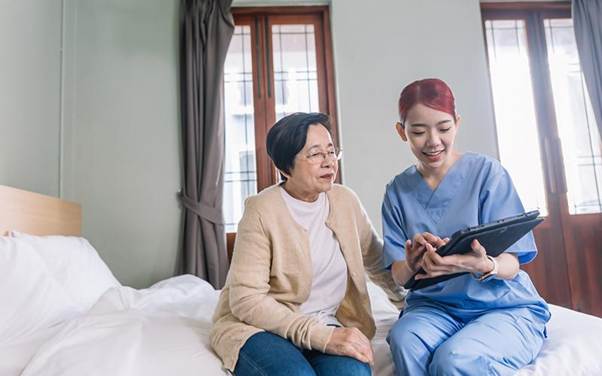
Rehabilitation after a stroke can feel overwhelming, especially when hospital visits disrupt comfort and privacy. More families now prefer home rehabilitation services to make recovery personal, consistent, and supportive. Stroke rehabilitation at home brings professional therapy into a familiar space, allowing survivors to regain strength and independence without leaving the place they’re most comfortable. It bridges clinical expertise and emotional comfort, making recovery smoother and more achievable for both patients and caregivers.
A Growing Preference for Home-Based Stroke Recovery
Families are steadily choosing home rehabilitation services after a stroke as traditional hospital-based recovery proves less adaptable to individual needs. Stroke rehabilitation at home delivers care directly to a patient’s living space, promoting consistency and comfort during therapy. The home setting fosters emotional security, helping survivors regain confidence and control over their routines.
Healthcare professionals, including physiotherapists, occupational therapists, and speech therapists, are providing tailored programmes suited to a patient’s environment. This approach reduces hospital readmissions while maintaining close monitoring of progress. Many families see this as an effective balance between professional supervision and personal independence. Recovery in a home environment allows continuous engagement with familiar surroundings, aiding cognitive and emotional stability essential for post-stroke improvement.
Customised Care for Individual Needs
Home rehabilitation services focus on individualised therapy sessions designed around each patient’s condition. Rather than following standard schedules used in hospitals, therapists adjust intensity, frequency, and techniques based on progress and stamina. Stroke rehabilitation at home ensures targeted attention that fits daily living habits, helping survivors practise movements relevant to their lifestyle.
Personalisation also extends to family involvement. Relatives can participate actively in care routines, learning exercises and mobility techniques to assist in day-to-day support. This cooperative approach builds confidence in both the patient and caregiver, strengthening emotional connections and promoting teamwork in recovery. In many cases, the consistency of care at home yields more positive outcomes compared to rigid institutional schedules. Therapy becomes more flexible, accessible, and motivating, which can accelerate functional recovery while reducing stress.
Enhanced Comfort and Safety at Home
Comfort and safety are crucial during stroke recovery. Home rehabilitation services allow patients to recover in familiar surroundings where anxiety and disorientation remain minimal. Hospital transitions can often create confusion and discomfort, but staying in a known environment helps maintain routine stability. Stroke rehabilitation at home supports physical adaptation to real-life conditions such as climbing stairs, moving between rooms, and performing household tasks.
Therapists assess home layouts to identify potential hazards and modify the environment for safer mobility. They may recommend grab bars, non-slip flooring, or furniture adjustments to reduce accident risks. The comfort of staying at home also limits exposure to infections common in institutional settings, ensuring positive overall health protection. Moreover, patients rest more efficiently in their own beds and experience fewer interruptions, helping energy conservation and emotional balance during long recovery periods.
Cost Efficiency and Long-Term Value
Hospital-based rehabilitation programmes can become expensive over time, especially for extended recovery. Home rehabilitation services provide a more cost-effective alternative without compromising professional care standards. Families can manage therapy schedules according to their financial capacity while still receiving skilled supervision. Stroke rehabilitation at home eliminates transportation costs, hospital accommodation fees, and the need for prolonged inpatient stays.
The flexibility of home sessions allows good financial planning. Patients only pay for services delivered, and sessions can be adjusted to match rehabilitation progress. This arrangement delivers continuous care while preventing financial strain. In the long run, the investment in home-based rehabilitation supports sustained mobility improvement and independence, which reduces future healthcare expenses. Many families view this as a practical and lasting solution that combines quality treatment with affordability.
