

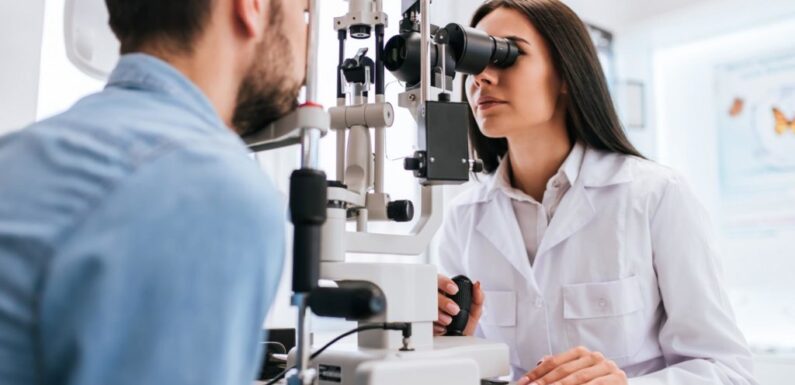
Visiting an eye doctor for the first time can feel overwhelming. You may worry about what will happen or how tests work. Seeing an Austin optometrist can reassure you and clarify what to expect. During your appointment, you’ll discuss your vision with the doctor. You’ll likely have a few basic tests to check your eyesight and eye health. These tests are painless and quick. The goal is to understand your vision needs better. You might need glasses, contacts, or just a yearly check-up. Knowing this helps you prepare mentally and physically. It’s important to be honest about any vision troubles you experience. This ensures the best care. Remember, your comfort matters. Your optometrist will guide you and answer questions. They’re here to help you see and feel your best. You’ll leave with a clear picture of your eye health and the steps needed to maintain it.
Initial Conversations
Your appointment begins with a conversation. The doctor asks about your medical history and any vision changes. Be prepared to discuss any symptoms like blurriness or difficulty seeing at night. This talk helps the doctor tailor the exam to your needs.
Eye Examination Basics
Next, you enter the examination room. Here, you’ll undergo several tests to evaluate your vision and eye health. These tests are non-invasive and don’t cause pain. Common tests include:
- Visual Acuity Test: Reading letters on a chart to measure how well you see at various distances.
- Refraction Assessment: Using a phoropter, the doctor determines your prescription.
- Eye Muscle Test: Following a moving object to check eye alignment and coordination.
- Peripheral Vision Test: Checking your side vision to identify any blind spots.
Common Tests and Their Purposes
| Test | Purpose |
|---|---|
| Visual Acuity Test | Measures how well you see at various distances |
| Refraction Assessment | Determines your lens prescription |
| Eye Muscle Test | Checks alignment and coordination |
| Peripheral Vision Test | Identifies any blind spots |
Eye Health Evaluation
Your optometrist also examines your eye health. They look for signs of conditions like glaucoma or cataracts. This involves:
- Slit-Lamp Exam: A microscope light checks the front part of your eye.
- Pupil Dilation: Special drops expand your pupils so the doctor can see your retina.
During pupil dilation, your vision may blur temporarily. Bring sunglasses for comfort after this test.
Discussing Results and Next Steps
After tests, the optometrist shares findings with you. They explain your vision needs clearly. If you need glasses or contacts, they guide you on choices. You might receive a prescription for corrective lenses. For any detected eye issues, you receive advice on further steps. The doctor ensures you understand everything before leaving.
Preparing for Your Appointment
Prepare by bringing your current glasses or contacts. Write down any vision changes you’ve noticed. Note medications you take. This information helps the optometrist provide the best care. Consider asking questions about maintaining eye health. Topics could include screen time effects or tips for easing eye strain.
Understanding the Importance of Eye Exams
Regular eye exams are crucial. They detect vision problems early and help maintain healthy eyes. The Centers for Disease Control and Prevention recommend routine check-ups as part of overall wellness. For more information, you can visit the CDC’s vision health resources.
Routine exams ensure your needs are met. They help you adapt to any changes in vision. Staying proactive is key. An eye exam is a step towards better health and clarity.
Conclusion
Seeing an eye doctor for the first time doesn’t have to be stressful. Understanding the process helps ease worries. Your optometrist is there to support you. They offer clarity and care with each appointment. By preparing and knowing what to expect, you take control of your eye health journey. Every step you take is towards seeing and living better. Embrace this opportunity for healthier vision and brighter days.
