

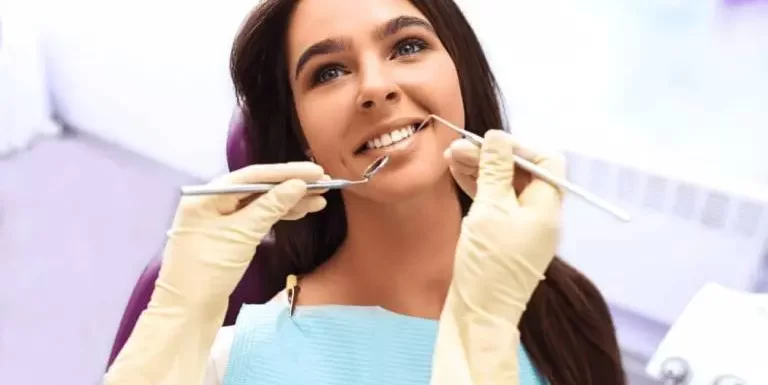
Your smile depends on more than crowns, veneers, and fillings. It depends on what you do every day to protect them. Preventive dentistry gives your restorations a longer life. It lowers your risk of sudden pain, repeat work, and a costly dental emergency Boynton Beach. You brush, floss, and see your dentist for routine care. These simple steps keep the edges of your restorations clean. They also protect the tooth under and around them. As a result, your bite stays comfortable. Your teeth keep their shape and color. Your gums stay firm and do not pull away. This blog explains how checkups, cleanings, and early treatment protect your investment. It also shows you warning signs that mean you need care right away. With steady prevention, you avoid crisis visits and keep your restored smile strong for many years.
Why Aesthetic Restorations Need Extra Care
Crowns, veneers, tooth colored fillings, and bonding do not decay. The tooth under them does. Bacteria target the thin line where tooth and material meet. That line is small. It is also weak. Once decay starts there, it can spread under the restoration. You may not see it until the damage is large.
Next, gum disease can shrink the tissue around restorations. When gums pull back, the edge of a crown or veneer shows. That edge can stain and trap plaque. The tooth root can also become exposed and sensitive. You may feel a sharp sting from cold water or air.
Finally, bite pressure wears on restorations every day. Teeth grinding, clenching, and nail biting chip and crack even strong materials. A small crack can break open during a meal. You then face an urgent visit and possible tooth loss.
Daily Habits That Protect Your Restorations
You control much of the stress on your dental work. You do this with steady daily care. Simple actions protect both the tooth and the work on top.
Use this checklist morning and night.
- Brush with fluoride toothpaste for two minutes
- Use a soft bristle brush and gentle pressure
- Angle the bristles toward the gumline around crowns and veneers
- Floss between every tooth, including under bridge and implant crowns
- Rinse with water after snacks and drinks that contain sugar
The Centers for Disease Control and Prevention explains that fluoride and daily plaque control lower risk of decay and gum disease for natural teeth. The same protection helps teeth that hold restorations. Clean tooth surfaces support strong, long lasting work.
Professional Prevention That Extends Longevity
Home care is not enough. You also need regular visits. A dentist and hygienist see what you cannot. They find small problems before they turn into large ones.
At preventive visits you receive three main services.
- Professional cleaning that removes hardened tartar at restoration edges
- Careful exam of gums, bite, and each crown, veneer, and filling
- X rays as needed to check for decay under or between restorations
The National Institute of Dental and Craniofacial Research shows that decay often starts in hidden spots between teeth. Those are the same spots where old fillings and crowns tend to fail. Early repair is faster, less invasive, and less costly.
How Prevention Affects Costs And Longevity
Preventive care feels routine. It also changes your long term costs and comfort. The table below compares two paths over time.
| Factor | With Strong Preventive Care | With Little Preventive Care |
|---|---|---|
| Average life of a crown | 10 to 15 years or more | 5 to 7 years before repair or replacement |
| Risk of decay at edges | Low because plaque is removed often | High because plaque and tartar stay in place |
| Number of emergency visits | Few. Problems caught early at checkups | More. Cracks, pain, and broken work appear without warning |
| Total cost over 10 years | More for cleanings. Less for large repairs | Less for cleanings. More for crowns, root canals, and extractions |
| Comfort and confidence | Steady. You chew and smile with ease | Uncertain. You may avoid foods and social events |
This comparison is simple. You pay with time and small visits now. Or you pay with pain, stress, and large work later.
Protecting Restorations From Grinding And Injury
Many people grind or clench teeth in sleep. Some do this when stressed or focused. You may not notice. Restorations show the damage. Flat edges, chips, and hairline cracks are clear signs.
You can protect your dental work in three steps.
- Ask your dentist if you grind or clench
- Use a custom night guard if recommended
- Avoid chewing ice, pens, or very hard foods on restored teeth
Sports and high impact play also threaten restorations. You should wear a mouthguard for contact sports. This protects both natural teeth and all dental work.
Warning Signs You Should Never Ignore
Small changes around restorations can signal early trouble. You protect yourself when you act fast. Watch for three types of signs.
- Sensitivity to heat, cold, or sweets around a crown or filling
- Dark lines, staining, or rough edges at the margin of a veneer or crown
- Red, swollen, or bleeding gums around any restoration
You should also call right away if a crown feels loose, a veneer feels sharp, or a filling feels cracked. Early repair often saves the tooth and the restoration. Waiting can turn a small fix into extraction and implant work.
Putting Prevention Into Your Routine
You do not need a complex plan. You need steady simple steps.
- Brush and floss every day
- Schedule cleanings and checkups at least twice a year
- Use fluoride toothpaste and drink water during the day
- Wear a night guard or sports guard as advised
- Call your dentist when you notice a change
Aesthetic restorations can last many years. They can also fail fast without care. You protect your time, money, and comfort when you treat them as part of your body and not as permanent repairs you can forget. Consistent prevention keeps your restored smile steady, strong, and ready for daily life.
