

Knee injuries are common among people of all ages in Singapore, affecting mobility, daily function, and overall quality of life. Whether the cause is a sudden sports accident, wear and tear, or an underlying condition, timely diagnosis and treatment are crucial. Consulting a knee specialist in Singapore allows patients to receive targeted care tailored to their specific condition. Orthopaedic clinics offer structured assessment methods and evidence-based treatments that address both the symptoms and root causes of knee issues.
Identifying the Cause of Knee Injuries
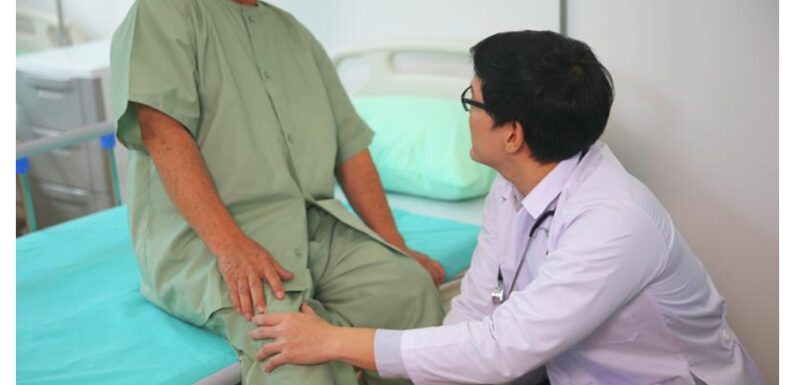
A thorough diagnosis is the first step to managing any knee injury. When visiting an orthopaedic clinic in Singapore, patients typically undergo a detailed consultation. The knee specialist starts by reviewing the patient’s medical history, including previous injuries, current symptoms, and daily activity levels. This initial conversation helps narrow down potential causes and identify whether the pain stems from trauma, degeneration, or inflammation.
Physical examination follows, allowing the specialist to assess joint stability, swelling, and range of motion. In many cases, imaging tests such as X-rays, MRIs, or ultrasounds support the diagnosis. These scans reveal soft tissue damage, ligament tears, cartilage wear, or signs of arthritis. By combining clinical findings with imaging results, the specialist can determine the exact nature of the injury and create an appropriate treatment plan.
Treatment Options for Different Knee Conditions
Treatment depends on the severity of the injury and the patient’s overall health. For mild cases such as sprains or strains, conservative approaches like rest, ice, compression, and elevation are often recommended. The orthopaedic clinic in Singapore may also suggest physical therapy sessions to restore strength and mobility. Targeted exercises help improve joint stability and prevent future injuries.
More complex conditions, such as ligament tears or cartilage damage, may require advanced interventions. Some patients may undergo minimally invasive procedures like arthroscopy to repair damaged structures. In severe cases, surgical reconstruction or joint replacement may be necessary. A knee specialist in Singapore focuses on restoring normal movement and function while minimising recovery time through structured rehabilitation programmes.
The Role of Physiotherapy and Rehabilitation
Physiotherapy is crucial in knee injury recovery. After diagnosis and initial treatment, patients often undergo a structured rehabilitation programme. This typically includes strength training, balance exercises, and range-of-motion activities designed to restore normal knee function. Regular physiotherapy sessions not only support healing but also help prevent complications such as stiffness or muscle weakness.
A comprehensive rehabilitation plan also teaches patients proper movement techniques to avoid re-injury. An orthopaedic clinic in Singapore often works closely with physiotherapists to monitor progress and adjust treatment as needed. This collaborative approach ensures consistent improvement and supports patients in returning to their usual activities safely.
When to Consult a Knee Specialist in Singapore
Persistent pain, swelling, or instability should not be ignored. Delaying treatment can lead to worsening conditions and longer recovery periods. Anyone experiencing difficulty walking, climbing stairs, or standing for extended periods should seek medical attention immediately. Consulting a knee specialist in Singapore allows for early diagnosis and intervention, which often leads to better long-term outcomes.
If conservative measures at home fail to relieve pain, it may indicate structural damage within the knee. In such cases, a proper evaluation at an orthopaedic clinic provides clarity and helps patients make informed decisions about their care. Some clinics, such as Auspicium Orthopaedic Centre, provide a full range of diagnostic and treatment services for various knee conditions.
Preventing Future Knee Injuries
Prevention is as important as treatment. Strengthening the muscles around the knee through regular exercise helps improve joint support. Maintaining a healthy weight reduces stress on the joints, lowering the risk of degeneration and pain. Using proper footwear and adopting correct movement techniques during sports or daily activities can further minimise injury risk.
For those with a history of knee injuries, follow-up visits with a knee specialist in Singapore ensure proper monitoring and early intervention if symptoms return. Lifestyle adjustments, combined with regular physical activity, can help maintain knee health in the long term.
Conclusion
Knee injuries can disrupt daily life, but early diagnosis and structured treatment make a significant difference. By consulting an orthopaedic clinic in Singapore, patients receive clear assessments, targeted treatments, and guided rehabilitation. Whether the issue is minor or more complicated, professional care from a knee specialist ensures a safer and more effective recovery.
Contact Auspicium Orthopaedic Centre to book a consultation today for a comprehensive assessment and treatment plan.
