

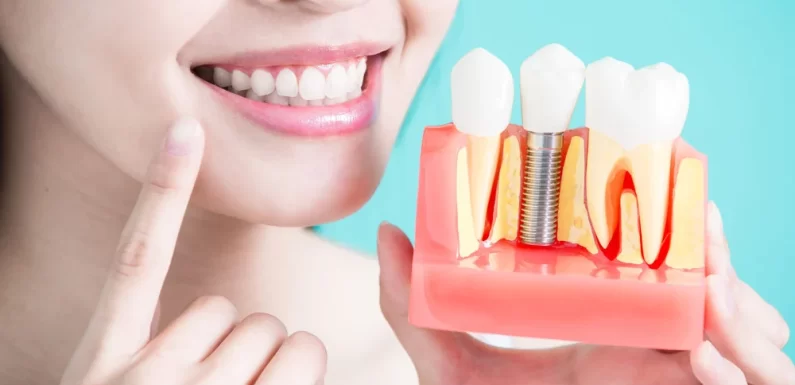
Dental implants are long-term replacements for missing teeth. They work by placing a small titanium post into the jawbone, which basically plays the role of the root of a real tooth. Once the bone has healed around the implant, a crown is placed on top. The crown will be shaped and coloured to match all your other teeth, so it looks and feels natural.
People often choose implants because they don’t move around like dentures. They also help in maintaining a healthy jawbone, which may shrink over time when a tooth is missing. While the idea of surgery might sound a bit worrying, most patients find the recovery is much easier than expected.
Why People Choose Implants Over Dentures or Bridges
Missing teeth can make it difficult to eat, speak, and feel good about the appearance of your smile. Common fixes are dentures and bridges; however, these have some downsides. Dentures can feel loose or rub against your gums, which is a source of irritation. They also have to be taken out and cleaned every day. Bridges also require filings of the teeth on either side of the gap to support them — even if they are perfectly healthy.
Implants are unique because they are solid, permanent, and independent. They remain in place and function like your natural teeth once they are set. You can eat what you like, talk without any fears, and clean them just like the rest of your teeth.
If you’re looking into options for Sydney Dental Implants, make sure to speak with a dentist who specialises in implant procedures.
How the Procedure Works
A dental implant requires several processes to be performed. First, your dentist will assess the condition of your mouth and jawbone to ensure that you’re the perfect candidate for this. X-rays are usually required and, on specific occasions, a CT scan. If there’s not enough width or height of jawbone or it is too soft, a bone graft may be required prior to placing the implant.
The implant itself is fitted during a short surgical procedure. It’s done under local anaesthetic, and most people say it feels no worse than getting a filling. Once the implant is in, it takes a few months for the bone to fully grow around it; this process is called osseointegration. After the healing period, the dentist attaches an abutment and then places the final crown on top.
What They Cost and How Long They Last
Compared to other options, such as dentures or bridges, dental implants are rather expensive. The prices in Australia range from $3,000 to $6,500 per implant, pending your location and the work involved. This can be a lot, but one should put into consideration that implants are for a lifetime, while dentures or bridges would require replacements in 5–10 years.
Health funds don’t always cover the full cost, so it’s best to check your policy. Some dentists offer payment plans, which can help spread out the cost.
Caring for Your Implant
Care for an implant much as you would for your own natural teeth: brush at least twice a day, floss, and see your dentist regularly. Although implants can’t decay like natural teeth, the gums around them can become inflamed if the area isn’t kept clean. Smoking, poor oral hygiene, and certain health conditions increase the chance of problems. However, for the majority of healthy individuals, implants are a reliable and long-term solution.
