

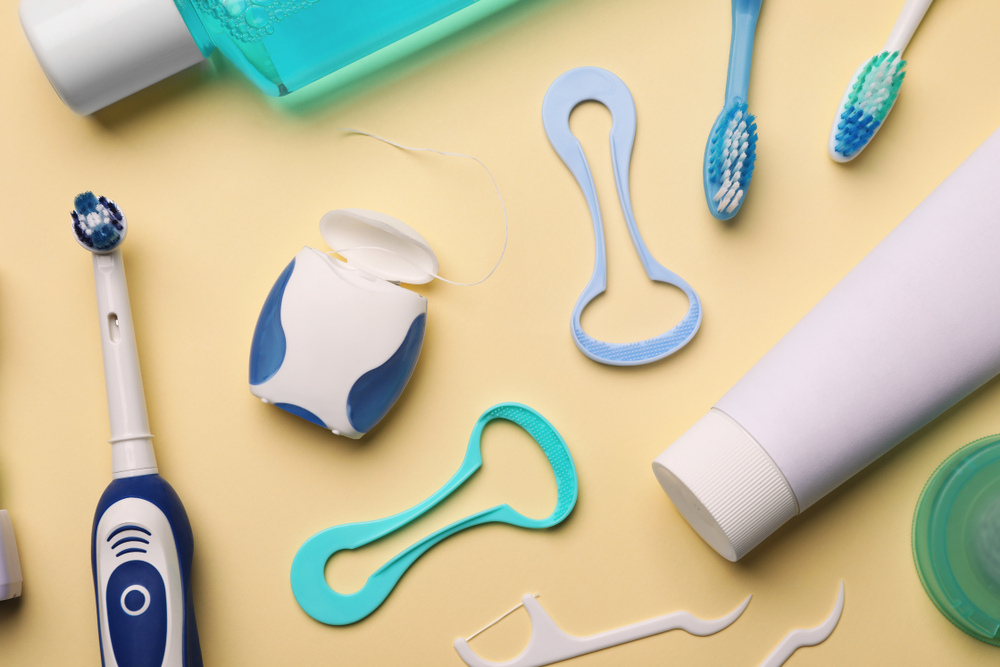
Your mouth changes over time. Your tools should keep up. Old toothbrushes, worn floss picks, and weak water sprayers do not clean well. They leave behind sticky film, trapped food, and hidden germs. These stay on your teeth and gums and can lead to pain, bleeding, and high dental bills. You might blame yourself for “not brushing right,” but the problem often starts with the tools in your hand. Better tools make good habits easier. Simple upgrades can lower your risk for cavities and gum disease. They can also help your breath stay fresh longer. A dentist in Abilene, TX can spot trouble early, but you control what happens in your bathroom sink each day. This guide walks through four clear signs your current setup is holding you back. If any of these sound familiar, it may be time to toss the old gear and choose smarter tools.
Sign 1: Your Toothbrush Looks Frayed Or Feels Harsh
Take a close look at your toothbrush. If the bristles bend outward, look flat, or feel rough on your gums, it is time to replace it. A worn brush does not reach into the grooves along your gumline. It only skims the surface. That leaves sticky film behind that hardens into tartar.
The American Dental Association explains that you should replace your toothbrush every three to four months or sooner if the bristles look worn.
Also, notice how your mouth feels after brushing. If your gums feel scraped or your teeth feel fuzzy soon after, your brush may be too hard or too old. Children often chew on bristles, which wear them out even faster. That means kids may need new brushes more often.
To respond, you can:
- Choose a soft bristle brush for every family member
- Set a reminder every three months to replace brushes
- Keep a small box of spare brushes in the bathroom
Fresh, soft bristles clean better and feel safer on your gums. You protect your enamel and help prevent gum recession.
Sign 2: You Notice Bleeding, Swelling, Or Bad Breath
Bleeding when you brush or floss is a warning sign. Is it gum swelling or a strong taste in your mouth that does not go away after brushing? These can point to gum infection or heavy buildup along your gumline.
Sometimes the cause is poor brushing technique. Often, the cause is weak tools that miss key spots between teeth and under the gumline. Thin waxed floss or a water flosser can reach places a brush cannot. Old stiff floss picks, or very thin string, can cut the gums instead of cleaning them.
The Centers for Disease Control and Prevention explains that almost half of adults over 30 have some form of gum disease.
If you notice any of these signs, upgrade your tools and your routine.
- Use floss that glides easily and does not shred
- Try a water flosser if you have braces, bridges, or crowded teeth
- Add a tongue cleaner to remove film that causes bad breath
Then watch for a change over two to three weeks. If bleeding and swelling continue, schedule a visit with your dentist.
Sign 3: You Have Braces, Crowns, Or Dental Implants
When your mouth includes braces, crowns, bridges, or implants, basic tools often fall short. Food sticks around brackets and wires. Plaque hides under bridge edges and around implant posts. A simple manual brush and thin floss cannot always reach these spots.
Here is a simple comparison of common home tools and how they help with different mouth needs.
|
Tool |
Best For |
Limitations |
|---|---|---|
|
Manual soft toothbrush |
Daily cleaning for most mouths |
Misses tight spaces. Depends on your hand skills. |
|
Electric toothbrush |
People with braces, arthritis, or weak brushing habits |
Needs charging and replacement heads. |
|
Traditional floss |
Cleaning between teeth with normal spacing |
Hard to use under wires, bridges, and tight contacts. |
|
Floss threaders or super floss |
Braces, bridges, and under permanent retainers |
Takes more time and patience. |
|
Water flosser |
Braces, implants, and people who avoid string floss |
Does not replace brushing. Needs water and power. |
If you or your child has braces, talk with your dentist or orthodontist about special brushes and threaders. You may need:
- Interdental brushes to clean around brackets and wires
- Super floss that has a stiff end to slide under bridges
- A water flosser to flush food from hard-to-reach spots
These tools cut down on white spots around brackets, sore gums, and decay under crowns and bridges.
Sign 4: You Struggle With Cavities Or Sensitive Teeth
If you keep getting cavities even though you brush every day, your tools may not match your risk. The same is true if you feel sharp pain with cold drinks or sweet foods. Old, worn brushes and low-fluoride toothpaste can leave your teeth exposed.
You may need:
- A fluoride toothpaste that meets ADA standards
- An electric brush with a pressure sensor so you do not scrub too hard
- Soft bristles to protect thin enamel and receding gums
Sensitive teeth often show that the outer shell of the tooth has worn down. Hard bristles and rough brushing can speed up that wear. A gentle electric brush with a timer and pressure control can help you clean longer without pushing too hard.
If your dentist has warned you about high cavity risk, ask about high fluoride toothpaste or rinse that you use at home. Combine that with better tools and a steady daily routine.
How To Upgrade Your Oral Care Tools Wisely
You do not need every new gadget. You only need tools that match your mouth and your habits. Start with three steps.
- Replace all worn brushes with soft-bristle options
- Add at least one tool for between your teeth, such as floss or a water flosser
- Use fluoride toothpaste that carries the ADA Seal of Acceptance
Then build a routine that you can keep.
- Brush twice a day for two minutes each time
- Clean between teeth once a day
- See your dentist at least once a year for a checkup and cleaning
Stronger tools do not replace your dentist. They help you keep your mouth cleaner between visits. When you upgrade your home setup, you lower your chance of pain, infection, and sudden dental costs. You also give your family a daily routine that protects health in a simple way.
Your mouth tells a story every day. When you notice frayed brushes, bleeding gums, new dental work, or ongoing sensitivity, listen to those signs. Then act. Better tools in your bathroom can protect your smile, your comfort, and your wallet for years.
