

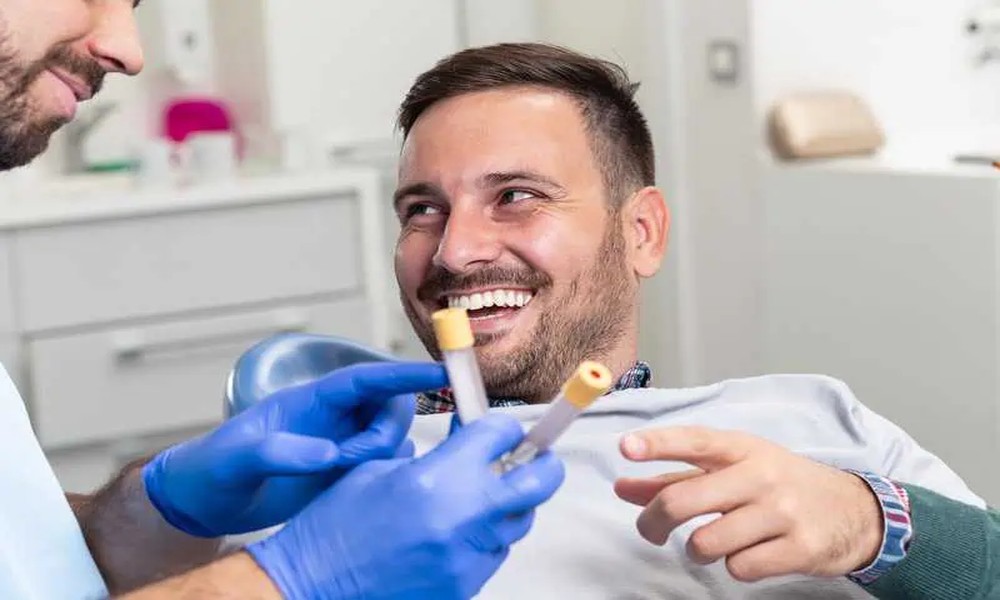
Your mouth tells a hard truth about your health. Small problems grow fast when you ignore them. Regular preventive visits protect you from pain, high costs, and avoidable worry. You may brush and floss every day. Still, plaque hides in tight spots you cannot reach. Early checks find cavities, gum infection, and worn teeth before they turn into emergencies. Cleanings remove stubborn buildup and stains. Exams catch warning signs of diabetes, heart disease, and even oral cancer. You gain clear answers and simple steps you can follow at home. A trusted dentist in San Jose CA can track tiny changes over time and stop damage before it spreads. Routine visits give you control. They help you keep your natural teeth longer. They also protect your confidence when you smile, eat, and speak.
How Preventive Visits Protect Your Whole Body
Your mouth connects to the rest of your body. Infection in your gums can move into your blood. It can strain your heart and lungs. The Centers for Disease Control and Prevention links poor mouth health with diabetes, heart disease, and stroke. A routine exam gives your dentist a clear view of early warning signs. You may not feel pain. Yet your gums may bleed or swell. Your dentist can act before you face tooth loss or deep infection.
Regular visits also help children grow strong teeth. The National Institute of Dental and Craniofacial Research reports that tooth decay is common in children. Early care lowers missed school days. It also lowers stress for you and your child.
What Happens During a Preventive Visit
Each preventive visit follows a simple pattern. You know what to expect. You also know why it matters.
- Health review. You share medicines, health changes, and pain.
- Exam. Your dentist checks teeth, gums, tongue, and jaw.
- Cleaning. A hygienist removes plaque, tartar, and surface stains.
- X-rays when needed. These show hidden decay or bone loss.
- Fluoride and sealants for some children and adults.
- Home care plan. You leave with clear steps you can use right away.
Each part serves a purpose. The exam finds small changes. The cleaning removes buildup that brushing misses. The plan at the end keeps you on track between visits.
Preventive Visits vs Emergency Visits
Preventive care and emergency care feel very different. One gives you calm control. The other often brings fear and high cost. This table shows common differences.
|
Type of visit |
Typical reason |
Common care |
Average cost impact |
|---|---|---|---|
|
Preventive visit |
Routine check and cleaning |
Exam, X-rays when needed, cleaning, fluoride, sealants |
Lower cost over time due to fewer major treatments |
|
Early treatment visit |
Small cavity or mild gum infection |
Simple filling or basic gum care |
Moderate cost with short visit and quick healing |
|
Emergency visit |
Severe pain, broken tooth, deep infection |
Root canal, extraction, or urgent surgery |
High cost with repeat visits and lost work time |
You cannot avoid every emergency. Still, steady preventive visits lower the chance of severe pain. They also lower the chance of sudden large bills.
How Often You Should Go
For many people, two visits each year work well. Your dentist may suggest more visits if you have
- Diabetes
- Heart disease
- Past gum infection
- Many fillings or crowns
- Smoking or vaping history
You and your dentist choose a schedule that fits your health. You do not wait until you feel pain. You use the visit as part of your normal routine, like a yearly physical.
Preventive Care for Children and Teens
Children need care as soon as the first tooth appears. Early visits teach your child that the dental office is a safe place. These visits also help you learn how to clean tiny teeth and gums.
For children and teens, preventive visits often include three key steps.
- Cleanings to remove plaque and tartar
- Fluoride to harden tooth enamel
- Sealants on back teeth to block decay
Teens face extra risk from sports, sugar drinks, and braces. Routine checks catch worn spots from grinding, early decay under brackets, and mouth injury from sports.
What You Can Do Between Visits
Preventive visits work best when you pair them with steady home care. You can follow three simple habits.
- Brush twice a day with fluoride toothpaste.
- Clean between teeth once a day with floss or another tool.
- Limit sugar drinks and snacks.
You can also drink tap water that contains fluoride when it is available in your community. This supports your tooth enamel each day. You protect your mouth from new damage. You also support the care you receive during each visit.
Overcoming Fear or Shame
Many people avoid the dentist due to fear, money worries, or shame. You may feel judged about missing past visits. You may feel nervous about pain. These feelings are common. They do not need to control your health.
You can start with three steps. You can tell the office staff about your fear when you call. You can ask for clear explanations of each step during the visit. You can agree on a signal to pause care if you feel overwhelmed. A calm dental team respects your limits. They work with you at a pace you can handle.
Taking the Next Step
Your mouth carries your words, your food, and your smile. Preventive dental visits guard all three. Routine care lowers pain, protects your budget, and supports your whole body. When you schedule and keep these visits, you choose steady control instead of crisis care. You also give your family a clear model of strong health habits that last.
