

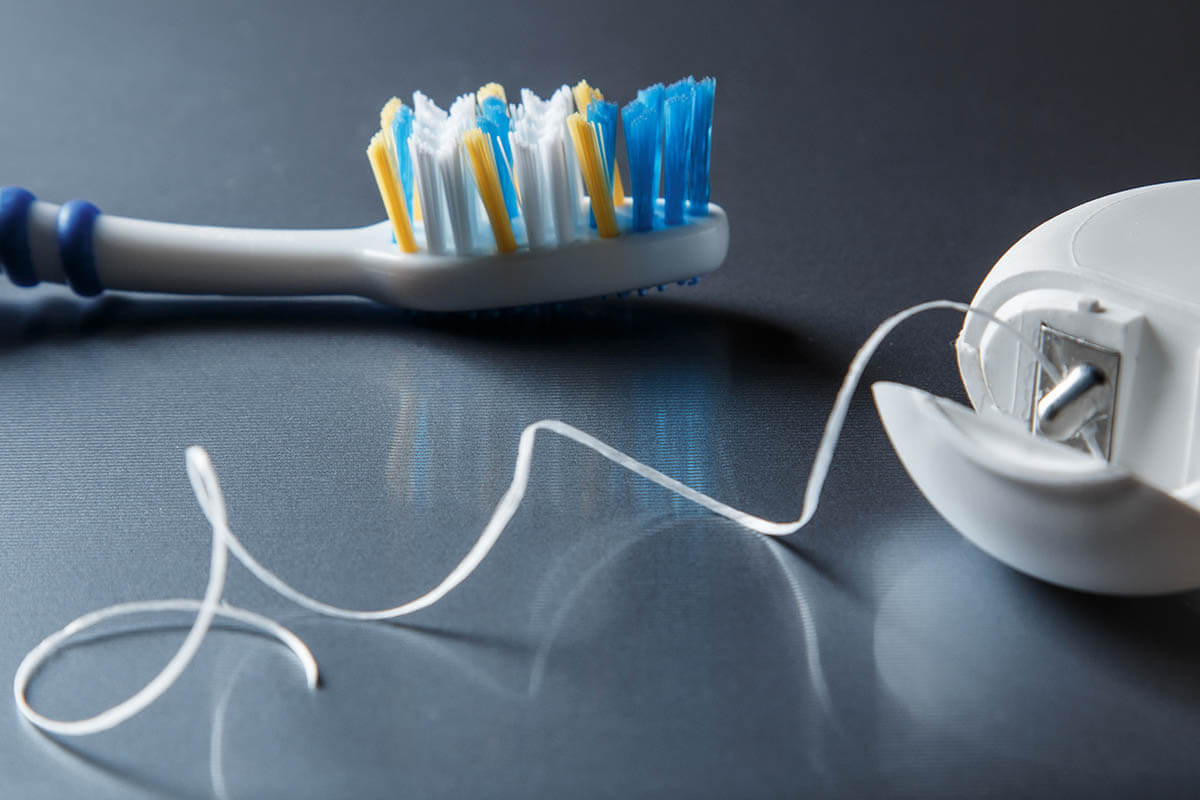
Your daily brushing and flossing routine might seem straightforward, yet small missteps can lead to big dental issues. By understanding and avoiding these five common mistakes, you protect your teeth and gums. You might be surprised how a few changes in technique can improve your oral health. At family dentistry in Wichita Falls, experts stress the importance of proper brushing and flossing. Incorrect methods, such as brushing too hard or neglecting to floss, compromise your dental health. These mistakes not only affect the present state of your teeth but also your future oral well-being. Strong, healthy teeth and gums lead to a happier, more confident smile. It’s never too late to make these essential adjustments. You have the power to take control of your dental hygiene and prevent unnecessary visits to the dentist. Let’s explore these mistakes and the simple, effective solutions that will benefit your dental care routine.
Mistake 1: Brushing Too Hard
Brushing aggressively might feel like you’re cleaning more effectively. However, it can damage your enamel and irritate your gums. Gentle brushing removes plaque while preserving tooth and gum health. A soft-bristled toothbrush is your best choice. It provides effective cleaning without harming your teeth. The American Dental Association recommends holding your toothbrush at a 45-degree angle to your gums and using short, gentle strokes.
Mistake 2: Skipping Flossing
Neglecting to floss allows plaque and food particles to stay between your teeth. Over time, this leads to cavities and gum disease. Flossing daily is essential for removing debris that your toothbrush can’t reach. To floss correctly, use about 18 inches of floss, winding most around each middle finger, leaving an inch or two to work with. Gently guide the floss between your teeth, curving it around each tooth and sliding it under the gumline.
Mistake 3: Not Replacing Your Toothbrush
Old toothbrushes are less effective at cleaning your teeth. The bristles wear out and bacteria can build up. Dentists advise replacing your toothbrush every three to four months or sooner if the bristles fray. Newer brushes are more efficient, helping you maintain good oral health.
Mistake 4: Using the Wrong Toothpaste
Toothpaste matters. A fluoride toothpaste helps protect against decay and strengthens your enamel. However, some whitening toothpastes contain harsh abrasives that can wear down enamel over time. Choose a toothpaste that meets your specific needs, whether it’s cavity protection, tartar control, or sensitivity relief.
Mistake 5: Rushing the Process
Brushing time and technique are crucial. Many people brush for less than a minute when dentists recommend at least two. Rushing can lead to missed spots and ineffective cleaning. Divide your mouth into quadrants and spend 30 seconds on each. This ensures every area gets equal attention.
Comparison Table: Recommended Practices vs. Common Mistakes
| Action | Common Mistake | Recommended Practice |
|---|---|---|
| Brushing Technique | Brushing too hard | Gentle, 45-degree angle strokes |
| Flossing | Skipping flossing | Daily flossing |
| Toothbrush | Not replacing regularly | Replace every 3-4 months |
| Toothpaste | Wrong type | Fluoride toothpaste |
| Brushing Time | Rushing | Brush for 2 minutes |
By understanding and correcting these common mistakes, you can significantly improve your dental health. A few simple changes make a big difference. Consistency in your routine builds strong, healthy teeth and gums. This, in turn, reduces the risk of cavities and gum disease, ensuring your smile remains bright and healthy for years to come. You have the tools and knowledge now to make informed decisions about your oral hygiene. Start today, and feel the positive impact on your dental health and overall well-being.
