

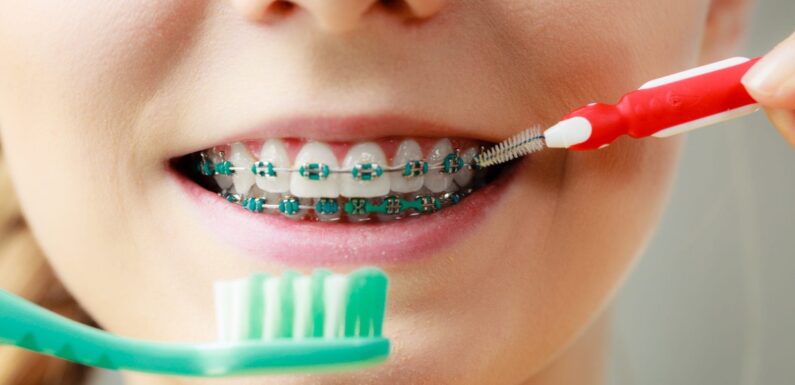
Braces and aligners change your smile. They also change how you care for your teeth. Food hides around brackets. Plaque builds up fast. Gums swell. Teeth stain. Cavities start in quiet corners you cannot see. You might feel frustrated or tired of all the extra steps. That reaction is normal. You are not alone. With the right routine, you can protect your teeth and still move them into a better position. This blog shares 6 clear tips you can use today. You will learn how to brush, floss, and eat in a way that keeps your mouth clean during treatment. You will also know when a small problem needs quick help from your orthodontist or a Dentist in Santa Rosa. Care during treatment is not fancy. It is steady, simple, and firm. These steps help you finish treatment with a stronger, cleaner smile.
Tip 1: Brush with care and a clear plan
Braces and aligners trap sticky film on teeth. That film turns into plaque and then cavities. You need a clear brushing plan every day.
- Brush at least 2 times each day
- If you can, brush after lunch and snacks
- Use fluoride toothpaste and a soft brush
First, angle the bristles toward the gumline. Then brush above the brackets. Next, angle the bristles down and brush below the brackets below. Finally, brush the biting and inside surfaces. Take 2 full minutes.
The Centers for Disease Control and Prevention explains that fluoride helps stop tooth decay. Your toothpaste should list fluoride on the label. If you use clear aligners, brush before you put them back in. Never snap aligners over food or sugar.
Tip 2: Floss every day with tools that work
Flossing with braces feels hard. It is still necessary. Plaque between teeth turns into decay and gum trouble.
You can choose from three common tools.
| Tool | How it works | Best for |
|---|---|---|
| Floss threader | You loop floss through a small plastic threader and slide it under the wire | Teens and adults who want low cost and strong control |
| Orthodontic floss | Pre-cut strands with a stiff end that passes under the wire | People who want faster flossing with braces |
| Water flosser | Stream of water cleans between teeth and around brackets | People with tight spaces or trouble using string floss |
Choose one tool and use it every night. Move the floss in a C shape around each tooth. Clean under the gums. Take your time. This habit protects your teeth now and after treatment.
Tip 3: Eat in a way that protects your braces and teeth
Your food choices affect your treatment. Some foods break wires. Other foods feed cavity germs.
Try to follow three simple rules.
- Skip hard and sticky foods like nuts, ice, caramel, and gummies
- Cut raw fruits and vegetables into small pieces before you chew
- Limit soda, sports drinks, and juice
If you drink sweet drinks, use a straw and rinse with water afterward. Plain water is the safest drink. It helps wash away sugar and acid. The National Institute of Dental and Craniofacial Research explains that sugar and acid raise your risk for decay. You can lower that risk with smart food choices.
Tip 4: Use fluoride and mouth rinses for extra defense
Sometimes brushing and flossing miss tiny spots around brackets. Fluoride fills in weak spots in the tooth surface. That process makes teeth stronger.
You can add three simple steps.
- Use fluoride toothpaste every time you brush
- Ask your dentist about a fluoride rinse or gel if you get many cavities
- Swish with a plain mouth rinse that fights plaque if your dentist suggests it
Always spit out toothpaste and rinse. Do not swallow them. Try not to eat or drink for 30 minutes after you use a fluoride product. This pause gives fluoride time to work.
Tip 5: Watch for warning signs and act early
Orthodontic treatment should move teeth, not hurt them. You need to watch your mouth and act when something feels wrong.
Call your orthodontist or dentist if you notice any of these signs.
- Sores that do not heal within one week
- Gums that bleed every time you brush or floss
- White chalky spots near brackets
- Bad smell from your mouth that does not go away with cleaning
- Loose brackets, broken wires, or sharp ends that cut your cheeks
Early help stops small problems from turning into pain or infection. You can use orthodontic wax on sharp spots until you see your provider. You can also trim long wires only if your orthodontist tells you how. Never try to fix complex issues at home.
Tip 6: Keep regular visits with your orthodontist and dentist
Braces and aligners need steady checks. Skipping visits slows treatment and hides problems.
Plan for three types of visits.
- Orthodontic adjustment visits to tighten or change wires and check aligners
- Dental cleanings at least twice a year
- Extra checks if you have a history of many cavities or gum trouble
Your orthodontist watches how teeth move. Your dentist and hygienist clean around wires and teach new tricks for home care. Together they protect your teeth while they move. You can ask them to show your child or teen how to brush and floss with braces. A short lesson in the chair can save time and stress at home.
Finish treatment with a healthy smile
Orthodontic treatment changes more than how teeth look. It changes how you eat, clean, and plan your day. That change can feel heavy. It can also give you a strong sense of control.
When you brush with care, floss each day, choose safer foods, use fluoride, watch for warning signs, and keep your visits, you protect your investment. You also protect your comfort. These habits lower pain, cut emergency visits, and keep treatment on track.
You deserve a smile that feels as strong as it looks. Start with one change today. Then build your routine step by step. Your future self will thank you every time you smile, chew, and speak without worry.
