

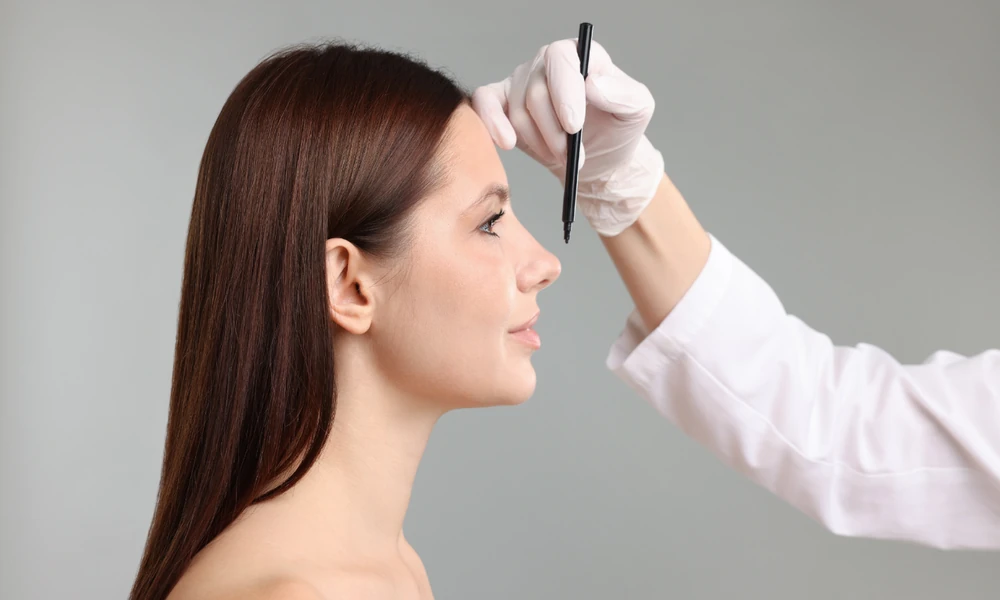
Your nose plays an important role in facial balance, but even a small concern about its shape, size, or symmetry can affect how you feel about your appearance. Whether you want to refine a prominent nasal bridge, improve a drooping tip, or address breathing difficulties, rhinoplasty offers options tailored to individual needs. However, choosing surgery is a significant decision that deserves careful consideration.
Finding the best rhinoplasty doctor involves more than comparing photographs or looking for attractive results online. You need a qualified surgeon who understands facial anatomy, listens to your concerns, explains realistic outcomes, and prioritises both appearance and nasal function. A thoughtful consultation can help you understand what surgery can achieve and whether it is appropriate for you.
What Is Rhinoplasty and Who Can Benefit From It?
Rhinoplasty, commonly known as a nose job, is a surgical procedure that changes the shape, size, or structure of the nose. Depending on the individual’s needs, it may address cosmetic concerns, functional problems, or a combination of both.
People may consider rhinoplasty for several reasons:
- Nasal bridge concerns: To reduce the appearance of a prominent hump or improve the bridge’s contour.
- Nasal tip refinement: To address a broad, drooping, or asymmetrical tip.
- Nose asymmetry: To improve balance when the nose appears uneven.
- Post-injury changes: To address certain structural changes following nasal trauma.
- Breathing difficulties: To assess structural problems that may affect airflow, sometimes alongside procedures such as septoplasty.
For example, someone concerned about a visible bump may want a smoother profile, while another person may be more concerned about persistent nasal obstruction. These goals require different assessments and treatment plans. Rhinoplasty is not a one-size-fits-all procedure. The surgeon considers facial proportions, skin thickness, cartilage, bone structure, medical history, and the patient’s expectations before recommending an approach.
How to Choose the Best Rhinoplasty Doctor
Selecting a surgeon requires research, realistic expectations, and a clear understanding of the procedure. The best choice is someone whose qualifications, experience, communication, and approach to patient safety match your needs.
1. Check Qualifications and Surgical Training
Begin by reviewing the surgeon’s medical qualifications, recognised specialist training, and experience in plastic and reconstructive surgery. Rhinoplasty requires a detailed understanding of nasal anatomy, facial proportions, and the relationship between appearance and breathing. Ask who will perform the operation, where it will take place, and what safety arrangements are available. Do not rely solely on advertising claims or social media popularity when evaluating a surgeon.
2. Review Relevant Experience and Results
Look for experience with procedures similar to the changes you are considering. Before-and-after photographs can help you understand a surgeon’s aesthetic approach, although individual results vary. When evaluating photographs, look for consistency, natural-looking proportions, and examples involving concerns similar to yours. Remember that lighting, camera angles, facial expressions, and image editing can influence how results appear.
3. Prioritise Honest Communication
A good consultation should feel like a conversation rather than a sales pitch. Your surgeon should ask about your goals, explain the available options, discuss limitations, and answer questions about recovery and possible complications. The best rhinoplasty doctor will not promise perfection or guarantee that your nose will look exactly like a reference photograph. Instead, the discussion should focus on achievable changes that suit your anatomy and protect nasal function.
4. Understand Safety and Follow-Up Care
Rhinoplasty involves risks, including bleeding, infection, reactions to anaesthesia, persistent swelling, breathing difficulties, and dissatisfaction with the outcome. Some patients may require further surgery. Ask about preoperative assessments, postoperative appointments, emergency contact arrangements, and the process for addressing concerns during recovery. Reliable follow-up care is an important part of the overall surgical journey.
Meet Dr. Sandeep Singla at Clinic Reborn
At Clinic Reborn, patients can explore cosmetic and reconstructive surgery options through individual assessment and professional guidance. Dr. Sandeep Singla is a cosmetic and plastic surgeon with an MS degree and an MCh in Plastic Surgery from KEM Hospital, Mumbai. He is also identified by Clinic Reborn as an MS Gold Medallist.
Patients considering rhinoplasty can discuss their concerns, desired changes, nasal structure, and expectations during a consultation. The aim is to understand the individual’s needs and determine an appropriate treatment plan rather than recommend the same approach to everyone.
You can learn more about Dr. Sandeep Singla and his professional background before arranging an appointment. If you are researching the best rhinoplasty doctor, use your consultation to understand the surgeon’s experience with your particular concern, the proposed technique, potential limitations, and the expected recovery process. You can also explore Clinic Reborn’s rhinoplasty service to learn more about the procedure and available consultation options.
Important Questions to Ask Before Rhinoplasty
Preparing questions beforehand can make your consultation more productive. Consider asking:
- What changes are realistically possible with my nasal structure?
- Will the procedure address appearance, breathing, or both?
- Which surgical technique do you recommend, and why?
- What are the main risks in my individual case?
- What will recovery involve, and when can I resume normal activities?
- What costs are included in the treatment plan?
- What follow-up appointments will I need?
These questions help you compare options based on clinical suitability rather than price or promotional claims alone. A useful tip is to bring two or three reference photographs that illustrate the features you like. Explain what appeals to you about each image, but understand that another person’s nose may not be anatomically achievable for you. Your surgeon should help translate your preferences into realistic goals.
For independent patient information, the American Society of Plastic Surgeons’ rhinoplasty guide explains the procedure, potential benefits, and considerations involved in surgery.
Recovery After Rhinoplasty: What Should You Expect?
Recovery varies depending on the surgical technique, the extent of correction, and individual healing. Swelling and bruising around the nose and eyes may occur during the initial period. Some patients use a nasal splint temporarily, and breathing may feel restricted while swelling is present.
Many people gradually return to routine activities within a couple of weeks, depending on their surgeon’s advice and the nature of their work. Strenuous exercise, heavy lifting, and activities that could injure the nose may need to be avoided for longer.
Although early changes may become visible as swelling decreases, the nose can continue to refine over several months. Final results may take a year or longer to become apparent, particularly around the nasal tip. Follow your surgeon’s instructions regarding medication, sleeping position, cleaning, physical activity, and follow-up appointments. Avoid comparing your recovery timeline with someone else’s, because healing is individual.
Making an Informed Decision About Rhinoplasty
Choosing the best rhinoplasty doctor means finding a qualified professional who understands your goals, communicates clearly, and prioritises safe, appropriate care. Take time to research credentials, review relevant experience, discuss risks, and understand what recovery involves before making a decision. For patients exploring rhinoplasty in Zirakpur and the surrounding region, Clinic Reborn offers an opportunity to discuss individual concerns with its surgical team. Visit the Clinic Reborn to learn about the clinic, or use the contact page to enquire about an appointment.
The right decision begins with informed expectations, a thorough assessment, and a treatment plan designed around your individual needs.
Frequently Asked Questions
1. How do I choose the best rhinoplasty doctor?
Look for recognised surgical qualifications, relevant rhinoplasty experience, clear communication, and a strong commitment to patient safety. Review appropriate before-and-after photographs, ask about complications and recovery, and ensure the surgeon explains realistic outcomes without guaranteeing perfection.
2. Is rhinoplasty performed only for cosmetic reasons?
No. Rhinoplasty may address cosmetic concerns, structural changes after injury, or selected problems affecting nasal airflow. Some patients need a combination of cosmetic and functional procedures. A clinical assessment helps determine the cause of the concern and the most appropriate treatment.
3. How long does recovery from rhinoplasty take?
Initial swelling and bruising generally improve over the first few weeks, although recovery varies. Many patients resume routine activities within a couple of weeks, subject to medical advice. Subtle swelling can persist for months, and final refinement may take a year or longer.
4. What should I discuss during a rhinoplasty consultation?
Discuss your goals, medical history, breathing concerns, medications, expected results, potential complications, costs, and recovery requirements. Ask which technique is suitable for your anatomy and how follow-up care is.
