

You might be noticing small things that do not feel so small in daily life. Maybe certain words come out less clearly than you want, or chewing feels uneven, tiring, or awkward. A Chicago orthodontist may help explain why these issues are happening. You may have learned to work around it for years, cutting food into smaller bites, avoiding certain sounds, or feeling self conscious when you speak. That can wear on you. It affects meals, conversations, and confidence in ways other people may not see.
There is also the question that often sits in the background. Is this only about straight teeth, or is it about how your mouth actually works? In many cases, the answer is both. How Orthodontic Services Support Better Speech And Chewing comes down to alignment, bite function, and how the teeth and jaws work together. When those parts are off, speech can sound less clear and chewing can become less efficient. When they are guided into better positions, daily life often feels easier.
Why can tooth and bite alignment affect the way you speak and eat?
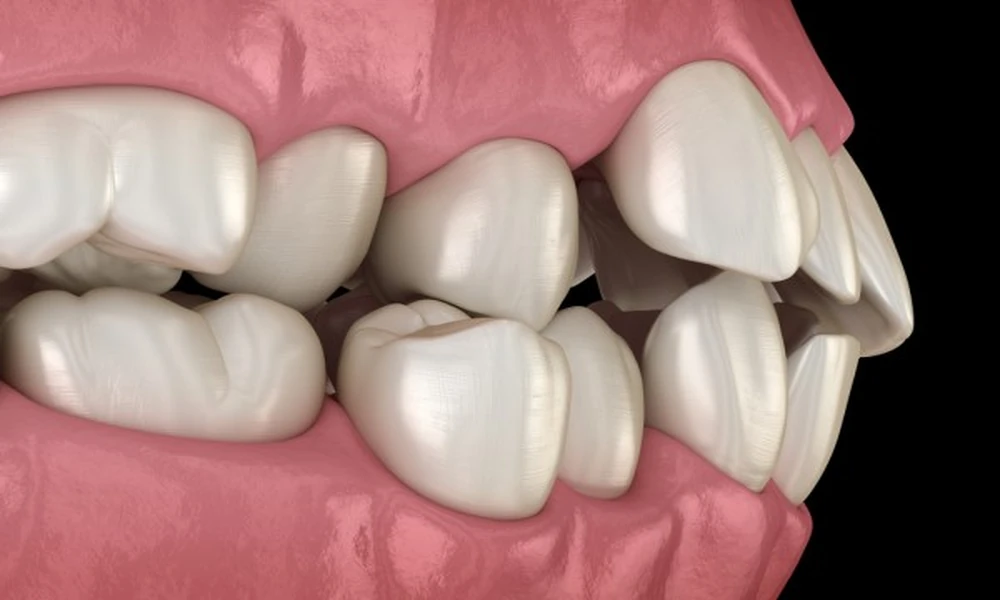
Your teeth do more than shape your smile. They help direct airflow when you make certain sounds, and they help break down food in a balanced way. If teeth are crowded, spaced too far apart, or if the upper and lower jaws do not meet well, your mouth may have to compensate. That can lead to slurred sounds, lisps, difficulty pronouncing certain letters, or chewing that feels one sided and strained.
For some people, the issue is mild. For others, it can be much more noticeable. An overbite, underbite, crossbite, or open bite may change the way the tongue meets the teeth and how the jaw closes. According to MedlinePlus information on malocclusion, poor alignment of the teeth is not just cosmetic. It can affect biting, chewing, and sometimes speech. Because of this tension, you might wonder whether waiting it out makes sense.
Sometimes people do wait, often because life is busy or because they assume the problem is not serious enough. But over time, uneven pressure on the teeth and jaw can make chewing less comfortable, and speech habits can become more ingrained. That does not mean change is out of reach. It means support matters.
What does an orthodontist actually do for speech and chewing problems?
An orthodontist looks at how your teeth line up, how your bite closes, and how your jaw functions as a whole. That full view matters. The goal is not only straighter teeth, but a bite that works better. This is where orthodontic treatment for speech and chewing can make a real difference.
Think of a child who avoids reading aloud because certain sounds feel hard to form. Or an adult who feels jaw fatigue after meals and keeps shifting food to one side to chew. In both cases, the mouth may be adapting to a bite problem. Braces, clear aligners, retainers, or other tools can help guide the teeth into positions that support clearer speech patterns and more even chewing.
Not every speech issue comes from tooth alignment, and not every chewing problem needs braces. That is why a careful evaluation matters. In some cases, orthodontic care works alongside speech therapy or general dental care. In others, correcting the bite alone reduces the strain enough to help. If you want a plain language overview of treatment options, MedlinePlus on orthodontia offers a helpful starting point.
How do the risks and benefits compare when you consider orthodontic care?
When people think about orthodontics, they often focus on time and cost first. That is understandable. Treatment can take months or longer, and it requires follow through. But it also helps to weigh that against the cost of continued discomfort, unclear speech, or chewing patterns that put extra stress on the jaw and teeth.
| Concern | If bite issues are left alone | If addressed with orthodontic care |
|---|---|---|
| Speech clarity | Certain sounds may stay difficult, especially if tooth position affects airflow or tongue placement | Better alignment may support clearer sound formation and easier articulation |
| Chewing function | Uneven chewing, jaw fatigue, or avoiding certain foods may continue | A more balanced bite can improve chewing comfort and efficiency |
| Tooth wear | Uneven pressure may increase wear on some teeth over time | Balanced contact can reduce strain on individual teeth |
| Confidence | Speaking and eating in public may keep feeling stressful | Improved function often brings more ease in social settings |
This is where many people feel torn. They do not want to overreact, but they also do not want to ignore something that affects daily life. A good rule is simple. If speech or chewing problems are recurring, frustrating, or getting worse, they deserve attention. bite correction services are often about restoring function, not chasing perfection.
What can you do right now if speech or chewing feels off?
1. Notice patterns, not just symptoms.
Pay attention to when the problem shows up. Is chewing hard on one side only? Do certain sounds feel more difficult? Does your jaw feel tired after meals? These patterns help clarify whether the issue may be linked to alignment rather than a one time irritation.
2. Ask for a full bite evaluation.
A general dental checkup is useful, but a dedicated orthodontic evaluation goes deeper into tooth position and jaw function. If you have been wondering whether an orthodontist is only for appearance, this is worth revisiting. A functional bite can affect comfort, speech, and long term oral health.
3. Think about daily quality of life.
Ask yourself a practical question. Is this changing what you eat, how you speak, or how confident you feel around other people? If the answer is yes, that is enough reason to explore options. You do not have to wait for a problem to become severe before taking it seriously.
So where does that leave you if you want clearer speech and easier chewing?
If you have been living with speech issues, uneven chewing, or jaw strain, you are not imagining the impact. These problems can be subtle from the outside and still feel heavy in your day to day life. The good news is that alignment and bite problems often have real, workable answers. With the right evaluation, you can learn whether orthodontic care may help your mouth function in a more natural, comfortable way.
You do not need to settle for struggling through meals or feeling tense every time you speak. Take the next step and schedule an evaluation to learn what is causing the problem and what kind of support makes sense for you.
