

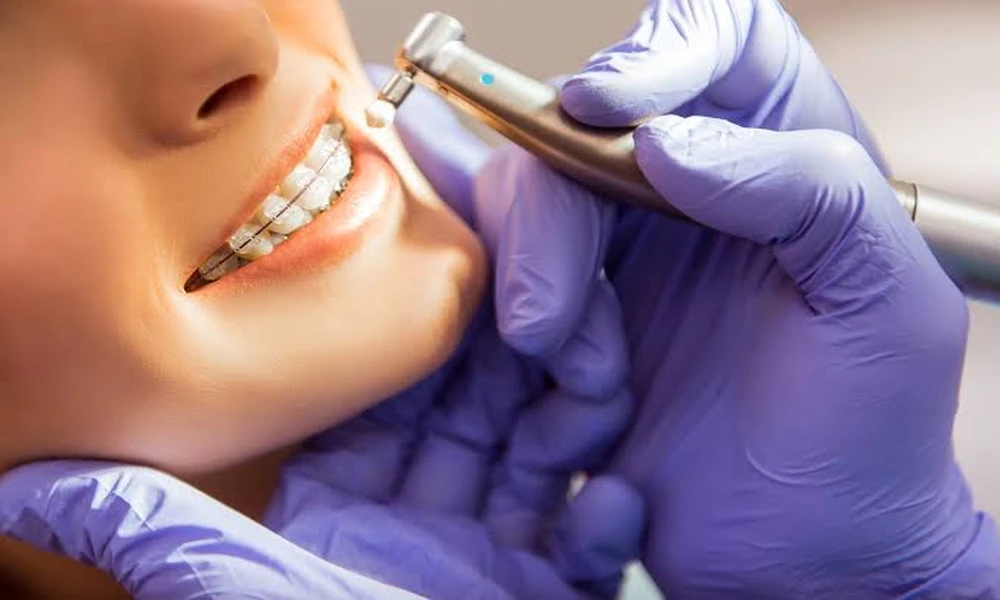
You might be feeling a bit stuck right now. Maybe your child’s teeth are crowding, or your own smile has always made you self conscious, and now you are finally ready to do something about it. You start searching for answers and suddenly you are staring at ads for mail order aligners, general dentists who “also do braces,” and orthodontic specialists offering orthodontic care in San Jose, all promising straight teeth and a better smile.
It is normal to feel confused and even worried. You are not just choosing a product. You are choosing who will guide how your teeth, bite, and face change over time. That can feel heavy. Because of this, you might wonder whether it really matters if you see a specialist or if “anyone who does braces” is good enough.
Here is the short version. Choosing a specialist in orthodontic care usually means three big advantages. You get deeper training focused only on tooth and jaw movement, more precise diagnosis and treatment planning, and safer, more stable results over the long term. The rest of this page simply unpacks those three ideas in plain language so you can make a calm, informed choice.
Why does choosing an orthodontic specialist matter so much?
Orthodontic treatment looks simple from the outside. You see brackets and wires, or clear aligners, and you think, “They just move teeth.” The truth is more complex. Teeth are anchored in bone, guided by muscles, and tied closely to how you chew, breathe, and even speak. When teeth move, the bone around them changes as well.
The problem is that poorly planned movement can create new issues. A bite that looks straight in photos can still cause jaw pain, worn teeth, or gum problems. This is one reason the American Dental Association recognizes orthodontics as a separate specialty, with its own standards and training. You can see the ADA’s list of recognized dental specialties here.
So where does that leave you? You may be facing a few tensions at the same time.
On one hand, you want something safe and reliable. You do not want your child to struggle with jaw pain at 25 because treatment cut corners at 15. On the other hand, you may be looking at cost, time away from school or work, and the pressure of choosing a provider you can trust.
Because of this tension, it helps to understand what sets a specialist in orthodontic care apart. That way, you are not just chasing the lowest price or the flashiest marketing. You are weighing real differences that affect health, comfort, and results.
Advantage 1: Extra years of focused training and experience
Every orthodontist first completes dental school and becomes a dentist. After that, they go on for several more years of full time advanced education focused only on orthodontics and dentofacial orthopedics. Programs like the graduate certificate in orthodontics and dentofacial orthopedics at UMKC, for example, involve years of classroom learning and hands-on patient care under supervision. You can see the kind of coursework and clinical expectations in this program description.
During those years, an orthodontist in training treats many different cases. Mild crowding. Severe overbites. Crossbites that affect jaw growth. Patients with missing teeth or impacted canines. This repetition builds pattern recognition. They learn what tends to work, what often fails, and how small differences in jaw shape or growth can change the plan.
Compare that with a general dentist who takes a weekend course on aligners. That dentist can be very skilled in fillings and crowns, yet still have limited experience in complex tooth movement. It is not about who is “smart.” It is about time spent focused only on orthodontics.
That extra training is one of the core advantages of choosing a specialist. It gives you someone who has spent years studying the cause and effect behind every millimeter of movement.
Advantage 2: Better diagnosis and safer, more stable results
The second advantage is the way an orthodontist evaluates your teeth and bite before recommending treatment. Diagnosis is not just looking at crooked teeth. It is understanding how your jaws fit together, how your face is growing, and how your bite will function over the next decades.
Imagine two 13 year olds with “crooked teeth.” On the surface they look similar. A general approach might suggest the same aligners or the same braces. A specialist, though, might see that one child has a narrow upper jaw affecting breathing, while the other has a mismatch in upper and lower jaw size that could worsen with growth.
Because of that, the treatment plans will differ. One might need expansion or early guidance of jaw growth. The other might do better if treatment starts a bit later, after more growth is complete. This kind of nuance reduces the risk of creating new bite problems or needing retreatment later.
There is also the question of safety. The American Dental Association’s public resource on orthodontics and braces explains that moving teeth without proper supervision can increase the risk of root damage, gum problems, and bite issues that are hard to fix. A specialist is trained to monitor these risks and adjust treatment when needed.
Stable results are the last part of this advantage. Straight teeth right after braces come off are only part of the story. An orthodontist plans for how your teeth will try to shift back, how your bite will wear, and how retainers should be used over time. That planning gives your results a better chance of lasting.
Advantage 3: More options and more tailored care
The third advantage is choice. A specialist has experience with many systems. Traditional braces. Ceramic braces. Clear aligners. Early interceptive treatment for children. They can match the method to the person, instead of steering everyone toward the same product.
For example, someone with a simple spacing issue might do very well with clear aligners. Someone with a deep bite, rotated teeth, and jaw issues might be better served by braces with specific wire sequences and attachments. The American Dental Association’s resource on braces and orthodontic appliances shows just how many tools there are beyond what marketing usually highlights.
When your provider is a specialist, they are not limited to one brand or one method. They can design a plan that fits your goals, your lifestyle, and your oral health. That might mean a shorter period of full braces followed by aligners, or using certain appliances to avoid extractions, or timing treatment around growth spurts in children.
So if you are choosing between a general dentist who “also does braces” and a specialist orthodontist, you are usually choosing between a narrower toolkit and a broader one. That often shows up in comfort, speed, and the quality of the final bite.
How does specialist care compare to other options?
You might still be weighing your choices. Maybe you have seen ads for mail order aligners or are wondering if your long time dentist can handle your case. A simple comparison can help you see the tradeoffs.
| Option | Who plans treatment | In person monitoring | Best fit for | Main risks |
|---|---|---|---|---|
| Orthodontic specialist | Orthodontist with 2 to 3+ extra years of focused training | Regular in person visits and adjustments | Simple to complex cases, children and adults | Higher upfront cost than DIY, time commitment for visits |
| General dentist providing braces/aligners | Dentist with shorter orthodontic courses | In person visits during regular dental care | Milder alignment issues in otherwise healthy bites | Limited experience with complex jaw/bite problems |
| Mail order / DIY aligners | Remote review, often with limited diagnostics | No in person exams or adjustments | Adults with very minor crowding who accept higher risk | Undetected decay or gum disease, bite problems, root or bone damage |
This table is not meant to scare you, only to clarify that the convenience or lower cost of less supervised options often comes with tradeoffs. When you understand those, you can decide what level of safety and oversight feels right for you or your child.
What should you do now if you are considering orthodontic treatment?
Once you understand the advantages of specialist orthodontic care, the next question is simple. How do you move forward without feeling rushed or pressured.
1. Schedule at least one consultation with a certified orthodontist
Use that visit to gather information, not to commit. Ask about diagnosis, treatment options, total time, and what your provider sees as the main challenges in your case. Many orthodontists offer initial consultations at a reduced fee or at no cost. Bring your questions and take notes. You want to hear a clear explanation of what is happening in your mouth, not just which product is being recommended.
2. Compare at least two treatment opinions for any moderate or complex case
If you have been told you need extractions, jaw surgery, or a very long treatment time, it is reasonable to seek a second opinion from another orthodontic specialist. You are not being difficult. You are being careful. Notice whether both opinions line up on the diagnosis, even if their methods differ. Agreement on the “why” behind treatment is a good sign that the problem has been correctly understood.
3. Look beyond price to long term value
Cost matters, yet try to frame it over the lifespan of your teeth. Safer, better planned treatment can reduce the risk of future dental work like crowns, gum surgery, or retreatment. When you compare offers, look at what is included. In person monitoring. Emergency visits. Retainers and follow up. Payment plans. Sometimes a slightly higher fee for an orthodontic specialist buys you more security and support over several years.
Feeling more confident about your orthodontic choice
You started out facing a confusing mix of options and promises. It is understandable if you felt pressure to pick something quickly, especially if your child is self conscious or you are tired of hiding your own smile.
Now you know that choosing a specialist for orthodontic care usually gives you three important advantages. Deeper, focused training. Safer diagnosis and more stable results. A wider range of tools to tailor treatment to your needs. With that understanding, you can slow down, ask better questions, and choose the orthodontist who feels right for you.
Your next step does not have to be dramatic. One thoughtful consultation with an orthodontic specialist can change uncertainty into a clear plan. You deserve care that respects both your health and your peace of mind.
