

You might be feeling a mix of relief and worry right now. Relief because you finally decided to look into dental implants to fix a missing or damaged tooth. Worry because the more you read, the more you realize this is not just about how your smile looks and whether you should see a cosmetic dentist in Boston MA. It is about what goes inside your body and how long it will stay there.end
Maybe your dentist mentioned titanium, zirconia, ceramic, screws, abutments, crowns, surfaces, biocompatibility. It can feel like a foreign language. You might be wondering if you are being “sold” something, or if the materials really make a difference, or if you are overthinking it.
Here is the short version. The materials in cosmetic dental implants affect how safe the implant is, how your body responds, how natural it looks, how long it lasts, and even what it might cost you over time. They are not a small detail. They are the foundation of the entire treatment.
Once you understand the basics, you can ask better questions, make calmer decisions, and feel more in control. That is the goal. Not to turn you into a dentist, but to help you feel less in the dark about something that will live in your mouth for many years.
Why the choice of implant materials affects more than just your smile
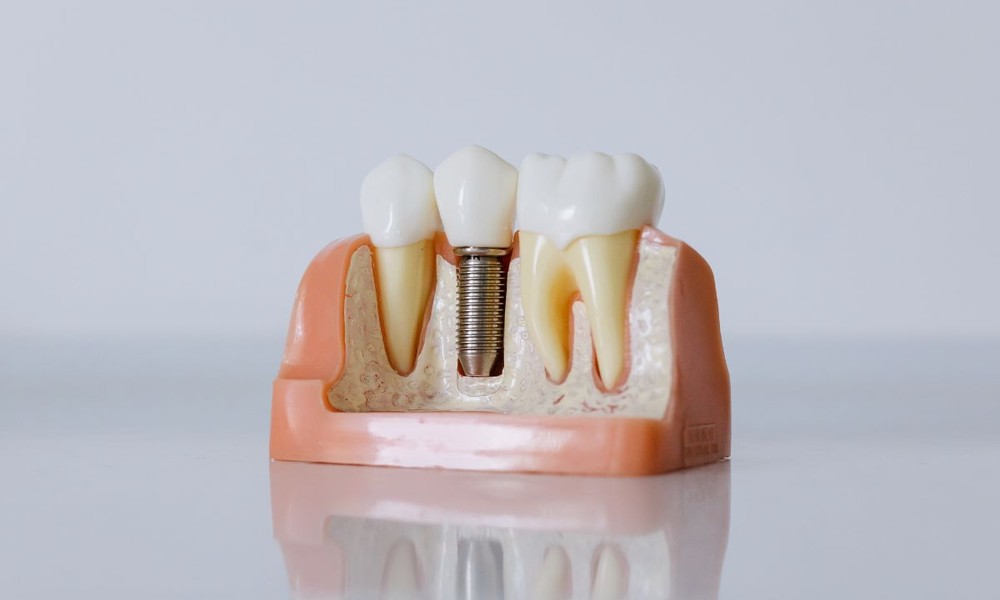
Think about what a cosmetic dental implant really is. A small post goes into your jawbone. An attachment connects that post to a crown that looks like a tooth. You do not see the post, but your bone and your immune system “see” it every single day. If that material does not agree with your body, problems can show up months or even years later.
Most modern implants use titanium or titanium alloys. There is a reason for that. Titanium has a long track record with the human body. It bonds well to bone and is considered highly biocompatible. There is also zirconia, a strong ceramic that is tooth colored and metal free, which appeals to people who are concerned about metal in their body or who have certain sensitivities.
So where does that leave you? Caught between wanting something that looks beautiful and wanting something that is safe, strong, and trustworthy. This tension is very common, especially when you are making a big investment that affects your health and your confidence every time you look in the mirror.
The U.S. Food and Drug Administration offers clear guidance on how dental implants are regulated and what patients should know. You can read more directly from the FDA about dental implants and safety considerations. Knowing that there is real oversight can ease some worry, but it does not replace thoughtful questions about the specific materials being used in your mouth.
What can go wrong if materials are an afterthought?
When people feel rushed or pressured, they often focus on the visible part of cosmetic implants. The promise of a white, straight, “perfect” smile can overshadow quieter questions like, “What is this made of, and how will my body react to it over time?” That is where problems can begin.
Here are a few common challenges that arise when the material conversation is skipped or brushed off.
1. Hidden sensitivity or allergy issues
While true titanium allergies are rare, they do exist. Some people also react to trace metals in alloys. If you already have a history of metal sensitivities, skin reactions to jewelry, or autoimmune conditions, ignoring materials can be risky. You might not react right away. Instead, you might notice chronic gum irritation around the implant, ongoing soreness, or inflammation that no one can fully explain.
For patients who prefer a metal free option or who feel uneasy about metals, zirconia implants can be considered. They are ceramic, tooth colored, and often chosen for cosmetic reasons in the front of the mouth. However, not every jaw or bite pattern is suited to zirconia, so it is not as simple as “ceramic is always better.”
2. Long term stability and bone health
The way bone bonds to the implant, a process called osseointegration, depends heavily on the material and surface design. If the material does not integrate well, you may see bone loss around the implant, loosening over time, or the need for additional procedures. That is not just a financial blow. It is emotionally draining to go through surgery again because the first solution did not hold up.
The National Institute of Dental and Craniofacial Research has funded years of work on improving implant and crown materials. If you are curious about how seriously this is studied, you can look at current research on dental materials and long term performance. The point is simple. Strong science sits behind the choices your implant and cosmetic dentist makes. Those choices are not random.
3. A “beautiful” result that does not actually feel right
You might get a crown that looks great in photos, yet the bite feels off, the gumline looks strained, or the color is slightly wrong under certain light. These issues are not only about the dentist’s skill. They are also about the crown material and how it interacts with your natural teeth and gums.
Porcelain fused to metal, full ceramic, and zirconia each have different strengths. Some reflect light more naturally. Some are stronger under heavy chewing. Some are better suited to front teeth, others to molars. If your goals, habits, and tooth location are not matched to the right material, you can end up with a result that is technically “finished” but never really feels like it is part of you.
This is why cosmetic implant materials matter so much. They shape not only what you see in the mirror, but also how comfortable, stable, and confident you feel over the years.
Comparing common implant material choices so you can ask sharper questions
You might be wondering how to sort all of this out without a dental degree. One helpful way is to compare some of the most common options you will hear about during a consultation.
|
Component |
Common Material |
Key Benefits |
Potential Tradeoffs |
Questions to Ask Your Dentist |
|---|---|---|---|---|
|
Implant post (root replacement) |
Titanium / titanium alloy |
Long track record, strong bond with bone, widely available |
Contains metal, rare sensitivity possible, grayish hue may show in very thin gums |
“Why are you recommending titanium for me and not another material?” |
|
Implant post (root replacement) |
Zirconia (ceramic) |
Metal free, tooth colored, good for some front tooth cases, appealing for patients wary of metal |
Fewer long term studies than titanium, may not suit every bite or jaw situation |
“Do I qualify for zirconia implants, and what are the pros and cons in my case?” |
|
Abutment (connector) |
Titanium or zirconia |
Titanium is strong and proven. Zirconia can look more natural at the gumline |
Poor matching of abutment material to crown and gum can affect appearance |
“What abutment material are you using and how will it affect the look at the gumline?” |
|
Crown (visible tooth) |
Porcelain fused to metal, full ceramic, or zirconia |
Can be shaped and colored to match nearby teeth. Strong enough for daily function |
Wrong choice can chip, look opaque, or wear opposing teeth more |
“Which crown material do you recommend for this tooth and why, considering how I chew?” |
This kind of comparison does not mean you need to pick the material yourself. It helps you have a thoughtful conversation with your implant and cosmetic dentist, instead of feeling like decisions are being made over your head.
Three practical steps to protect your health and your investment
Once you recognize that the materials used in dental implants really do matter, the next question is what you can do about it right now. You do not need to argue with your dentist or second guess everything. You do need a clear, calm plan.
1. Ask your dentist to name every material that will go in your mouth
During your consultation, ask for a simple breakdown. What is the implant post made of. What material is the abutment. What material will the crown be. If they use brand names, ask what those brands are made from and why they trust them.
You can even say, “I know materials affect how my body responds and how long this lasts. Can you walk me through why you are choosing these specific ones for me.” A confident, ethical professional will not be offended by this. They will usually welcome the chance to explain their choices.
2. Share your medical history, sensitivities, and expectations in detail
Tell your dentist if you have ever reacted to metal jewelry, piercings, or medical hardware. Mention any autoimmune conditions, chronic inflammation, or gum problems. Explain your cosmetic goals in plain terms. For example, “I smile wide and I am very conscious of my front teeth” or “I grind my teeth at night.”
These details help your dentist choose between titanium and zirconia, between different crown materials, and between different surface treatments. Material decisions are rarely one size fits all. The more honest you are about your body and your habits, the better your result.
3. Give yourself permission to seek a second opinion
If you feel rushed, brushed off, or pressured to accept a plan you do not fully understand, you are allowed to pause. You can take your records and get a second opinion from another implant and cosmetic dentist who is willing to talk through materials, long term expectations, and alternatives.
When you do this, pay attention not just to what they recommend, but how they explain it. Do they reference safety data, long term experience, or research such as that supported by organizations like the NIDCR. Do they listen to your concerns about appearance, cost, and health. Feeling heard is not a luxury here. It is part of getting safe care.
Moving forward with clarity and confidence
Choosing cosmetic dental implants can feel heavy. You are not just buying a smile. You are choosing something that will become part of your body, your daily comfort, and your self image. It is normal to feel nervous about that.
When you understand why materials matter, the whole decision starts to feel less mysterious. You know that titanium and zirconia are not just buzzwords. You see that crown materials change how your teeth look in real light and how they stand up to your bite. You realize that your medical history and your goals should shape these choices.
You deserve an outcome that looks natural, feels comfortable, and lasts as long as reasonably possible. That begins with a careful conversation about what your implant is made of and why. Ask questions. Take notes. Trust your instincts if something does not feel right.
You are not being difficult when you ask about materials. You are taking care of your future self. That is exactly what good cosmetic implant dentistry should support.
