

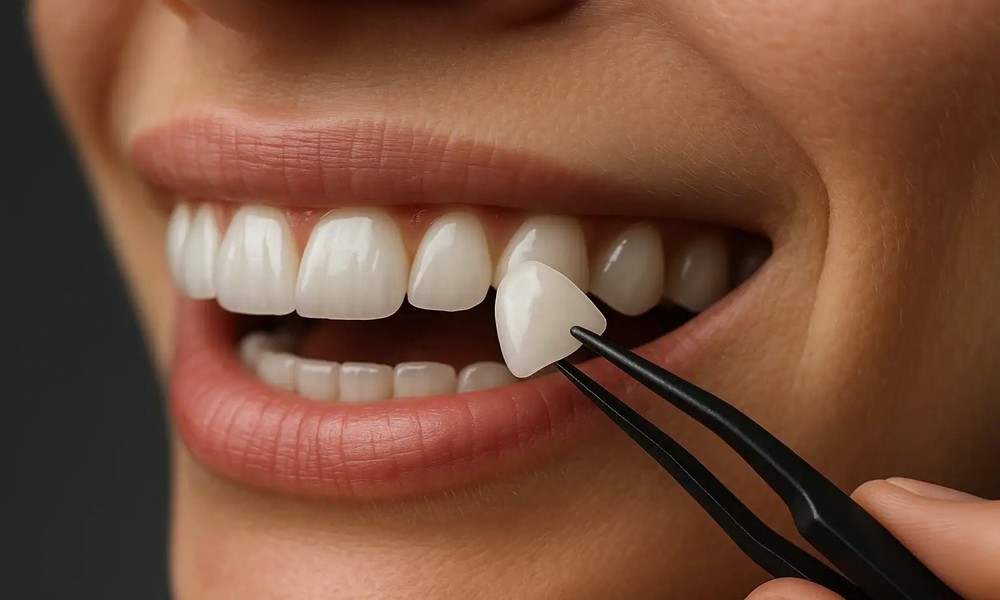
Every smile makeover starts long before whitening, veneers, or braces. It starts in a steady chair with a trusted family dentist who knows your teeth, your habits, and your health. Family dentistry builds this base. It keeps your mouth clean, your gums steady, and your bite strong. It also catches small problems before they grow into pain or tooth loss. This care is not only about looks. It protects how you eat, speak, and feel each day. When you see a dentist in Kahala, Honolulu for regular family visits, you bring your whole story to every cosmetic step. That history guides each choice, from simple bonding to full smile design. Without that history, a makeover can crack, stain, or fail. With it, your new smile rests on steady ground and lasts longer with fewer surprises.
How Family Dentistry Protects Your Mouth
Family care focuses on three simple goals. You prevent disease. You treat problems early. You keep your mouth steady over time.
- Routine cleanings remove plaque and hard buildup that brushing leaves behind.
- Regular exams find cavities, gum infection, and worn teeth before they reach the nerve.
- Simple treatments like fillings and basic gum care keep teeth strong enough for later work.
The Centers for Disease Control and Prevention explains that untreated cavities affect many adults and children and often cause pain and infection. Routine family visits lower that risk. They give you quiet, predictable care instead of crisis care.
Why A Healthy Base Matters Before Cosmetic Work
Cosmetic treatment changes how your smile looks. Family dentistry makes sure your mouth can handle those changes. If teeth or gums are weak, cosmetic work can fail. Crowns can loosen. Veneers can chip. Whitening can cause strong sensitivity.
Before any makeover, your family dentist checks three things.
- Gums. Healthy gums do not bleed and fit snugly around each tooth.
- Bone. Strong bone holds teeth steady during and after treatment.
- Bite. A balanced bite prevents extra stress on new work.
If these parts are not ready, your dentist will treat them first. That step can feel slow. Yet it saves you from future repairs. It also reduces pain during and after your makeover.
The Power Of A Long-Term Relationship
Family dentistry follows you and your children year after year. This long view gives your dentist a clear picture of how your teeth change with time, stress, and health conditions.
Your dentist learns three key patterns.
- How fast do you build plaque or stain?
- How you respond to past treatments.
- How you grind, clench, or chew.
This history guides every cosmetic choice. For example, if you grind your teeth at night, your dentist may suggest stronger crown materials and a night guard. If your gums have been fragile, your dentist may plan gentle whitening and extra gum checks. This is not guesswork. It is careful planning based on your record.
Family Dentistry Across Different Ages
Every stage of life adds new needs. Family care weaves those needs into one plan that supports future cosmetic work.
|
Life Stage |
Main Family Care |
How It Supports A Future Smile Makeover |
|---|---|---|
|
Children |
Cleanings, fluoride, sealants, cavity checks |
Protects new teeth so they stay strong enough for later whitening or minor bonding |
|
Teens |
Orthodontic checks, sports mouthguards, cavity care |
Guides tooth position so future cosmetic work needs less shaping |
|
Adults |
Gum care, fillings, crowns, bite checks |
Creates a stable bite for veneers, implants, or full smile design |
|
Older Adults |
Dentures, implant care, dry mouth support |
Maintains chewing and speech so cosmetic adjustments stay comfortable |
The National Institute of Dental and Craniofacial Research describes how oral health changes through life and how regular care lowers tooth loss. This long view is the heart of family dentistry.
Preparing For A Smile Makeover With Your Family Dentist
When you are ready to improve your smile, your family dentist can help you prepare in three clear steps.
- Assessment. Your dentist reviews your history, takes images, and checks your gums and bite.
- Stabilization. Your dentist treats active disease, replaces failing fillings, and sets a cleaning schedule.
- Planning. Your dentist talks with you about whitening, bonding, crowns, or other changes that fit your mouth and your budget.
This shared plan keeps surprises low. It also helps you set real expectations. You understand what each step will do, how long it may last, and what care you must keep up at home.
Keeping Your New Smile Strong Through Family Care
A makeover is not the final step. It is the middle of your story. Family dentistry helps you protect your new smile through simple habits.
- Regular cleanings to protect veneers, crowns, and natural enamel.
- Checks for small chips or loose edges before they turn into breaks.
- Review of home care, including brushing, flossing, and any special tools.
Your dentist can also adjust your bite if new work changes how your teeth meet. This fine tuning prevents cracks and pain in your jaw. It also keeps chewing steady.
When To Talk With Your Family Dentist About A Makeover
You do not need to wait until your teeth hurt or your confidence drops. You can raise the topic during any routine visit. A simple start is to share three things.
- What you like about your smile.
- What you want to change.
- What worries you about treatment.
Your family dentist will listen, review your health, and guide you through safe choices. With strong family care as your base, your smile makeover becomes more than a quick fix. It becomes a steady change that supports how you eat, speak, and face each day.
