

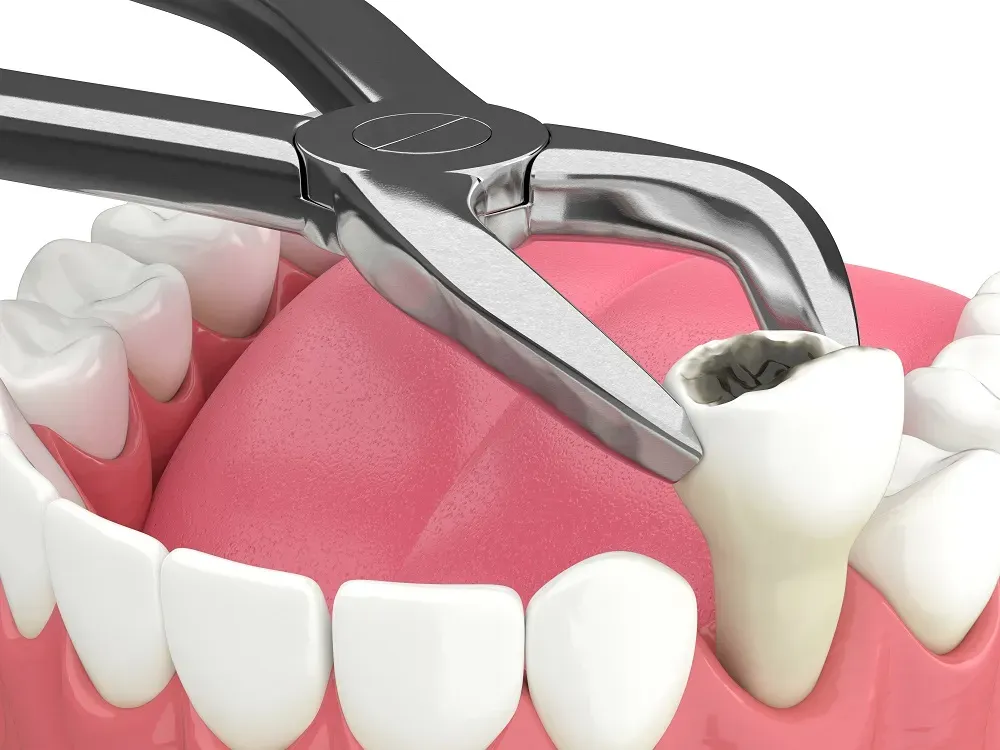
A dry socket causes real pain after tooth extraction. You’re left feeling exposed and uncomfortable. If you’re dealing with this, know you’re not alone. Many folks experience this after a tooth pull. Understanding what happens and how to address it helps you heal faster. Basic practices are crucial. Simple care steps include rinsing your mouth gently with salt water and avoiding smoking or using straws. You also have emerging treatments to ease your discomfort. Applying medicated gels and seeking laser therapy are top options. These new approaches offer relief and speed up healing. Your Schaumburg dentist plays a key role in guiding you. They give advice and treatments that work best for your situation. Listening to their guidance is essential for your healing journey. Knowing what helps and how it works ensures you feel more comfortable and recover quickly.
Understanding Dry Socket
After a tooth extraction, a blood clot forms over the extraction site. This clot protects your bones and nerves during healing. When a dry socket occurs, this clot becomes dislodged or dissolves too early. Exposed bone and nerves lead to intense pain. It’s not just discomfort. It’s a setback in healing. Knowing the signs helps. Increased pain after a few days and a visible empty socket are key indicators.
Basic Practices for Healing
To start healing, follow these basic steps:
- Rinse with warm salt water daily. This keeps the mouth clean and soothes tissues.
- Avoid smoking and using straws. Suction can dislodge clots.
- Stick to soft foods. Chewing hard foods irritates the area.
These practices set the foundation for recovery. Early intervention and ongoing care make a difference.
Emerging Treatments
New treatment options help ease dry socket pain and improve healing:
- Medicated Gels: These gels provide pain relief and promote healing. Apply them as directed by your dentist.
- Laser Therapy: This therapy reduces pain and inflammation, speeding up recovery.
Both treatments show promise. They reflect advancements in dental care that focus on comfort and effectiveness.
Comparison of Traditional and Emerging Treatments
| Treatment | Benefits | Considerations |
|---|---|---|
| Traditional (Salt Water Rinse) | Easy to use, soothes tissues | May not provide enough pain relief |
| Medicated Gels | Provides pain relief, promotes healing | Must be applied correctly |
| Laser Therapy | Reduces pain, speeds recovery | Requires professional admin |
The Role of Your Dentist
Your dentist offers crucial support during recovery. They assess your condition, provide targeted treatments, and offer advice tailored to your needs. Their expertise ensures you receive care that aligns with current best practices and innovations.
Steps to Reduce Risk of Dry Socket
Prevention is key. Taking preventive measures reduces the risk of experiencing a dry socket:
- Follow post-extraction care instructions carefully.
- Avoid tobacco use and alcohol consumption immediately after surgery.
- Maintain oral hygiene with gentle brushing around the extraction site.
These steps empower you to take control of your healing process.
Additional Support and Resources
For more information on managing dry sockets, visit the Centers for Disease Control and Prevention (CDC) Oral Health page. They offer resources and guidance to help you navigate oral health challenges.
Also, the National Institute of Dental and Craniofacial Research provides a wealth of research and information focused on dental health. Staying informed is a powerful tool in managing and preventing dry sockets.
Conclusion
Addressing dry socket requires understanding, care, and new treatment options. Your Schaumburg dentist provides expertise and guidance, helping you choose the best approach for relief and recovery. Early action and adherence to recommended practices ensure a quicker, more comfortable healing journey. You have the resources and support needed to navigate this experience with confidence.
