

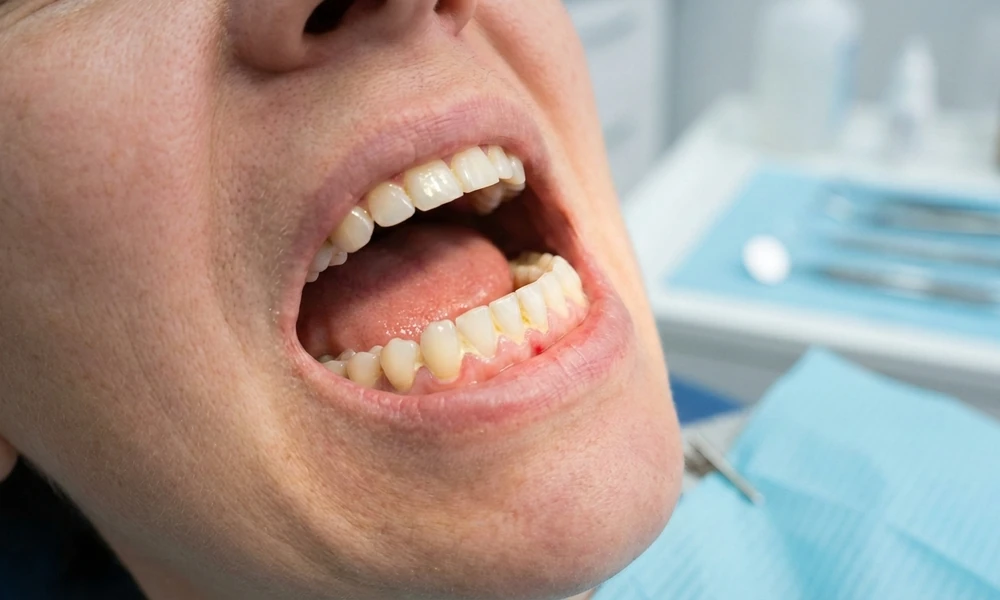
You brush, you floss, you try to do all the right things, and still, it can be hard to tell whether your effort is paying off. Maybe you have wondered if your gums should feel different by now, or if cleaner teeth really mean a healthier mouth. That uncertainty is common, especially when oral health changes can be gradual and easy to miss. For some people, exploring options like Lansing Invisalign treatment can also be part of building a healthier, more confident smile.
The good news is that your mouth often gives you clear signals when your habits are helping. If you are seeing less bleeding, fresher breath, cleaner teeth, steadier gum health, and fewer new problems, your routine is likely moving in the right direction. Knowing these signs can help you stick with habits that support your long term health and make your next visit with a general dentist feel a little less stressful.
Are your gums calmer and less likely to bleed?
One of the first signs of progress is often in your gums. If they used to bleed when you brushed or flossed and now that happens less often, that matters. Bleeding gums can be a sign of irritation or early gum disease, so seeing that improve may mean your daily care is reducing plaque and inflammation.
This is where many people get stuck. They notice blood once or twice, feel alarmed, and then floss less because it feels uncomfortable. That can keep the cycle going. But if you have stayed consistent and your gums look less red, feel less tender, and bleed less, your routine may be doing exactly what it should.
According to the National Institute of Dental and Craniofacial Research guidance on oral hygiene, brushing twice a day and cleaning between teeth are basic steps that help protect both teeth and gums. So, if your gums seem calmer, that is not a small win. It is a meaningful one.
Has your breath improved even before you reach for gum?
Bad breath can feel personal, even when it is simply a sign that bacteria are building up in the mouth. If your breath stays fresher longer, especially in the morning or between meals, that can be another clue that your oral hygiene habits are working.
Why does this happen? When plaque, food particles, and bacteria are removed more regularly, there is less material sitting in the mouth creating odor. You may notice you do not need mints as often, or you feel more comfortable speaking close to other people. That kind of change can be easy to overlook, but it often reflects better daily care.
If bad breath still lingers no matter how much you brush, it may be worth bringing up with a dental professional. Sometimes the issue is related to gum disease, dry mouth, or another health concern. Still, when your breath improves along with other signs, it usually points to a stronger routine.
Do your teeth feel cleaner and look less coated?
You can often feel the difference before you see it. Teeth that feel smooth instead of fuzzy by midday are a strong sign that plaque is being managed better. That clean feeling after brushing should last for a while, not disappear within minutes.
You may also notice fewer surface stains, especially if you have been consistent about brushing after coffee, tea, or meals when appropriate. While at home care will not remove every deep stain, it can slow buildup and help your smile look brighter. This is one reason many people begin to trust their routine more over time.
Signs your dental routine is effective often start with these small daily moments. Your mouth simply feels cleaner, and that matters because plaque that stays on teeth can harden into tartar, which you cannot remove on your own.
What changes show up when you compare home care and professional care?
It helps to know what your routine can do on its own and where a general dentist still plays an important role. Home care is the foundation, but professional care helps catch what you cannot see and remove buildup you cannot brush away.
| Area | What good home care can improve | What professional dental care can add |
|---|---|---|
| Gum health | Less bleeding, less tenderness, reduced plaque at the gumline | Checks for early gum disease and deeper cleaning if needed |
| Tooth cleanliness | Smoother teeth, less daily buildup, fewer food particles between teeth | Removal of tartar and polishing in hard to reach areas |
| Breath | Fresher breath from lower bacterial buildup | Evaluation for hidden causes like decay, dry mouth, or infection |
| Cavity prevention | Lower risk when brushing with fluoride toothpaste and flossing regularly | Early detection of small cavities before they grow |
The CDC oral health tips for adults also stress daily brushing with fluoride toothpaste, flossing, and regular dental visits. In other words, strong home habits and professional support work best together, not against each other.
Are you having fewer new problems over time?
Sometimes the clearest sign is what is not happening. You may be dealing with fewer cavities, less sensitivity, or fewer moments when something feels off. Maybe you are not waking up with a dry, sticky mouth as often, or your gums no longer feel sore after eating. Those quiet improvements count.
This is especially true as you get older, when mouth changes can become more common. The National Institute on Aging advice for taking care of your teeth and mouth notes that age, medicines, and health conditions can all affect oral health. Because of that, a routine that keeps problems from piling up is doing important work, even if the results seem subtle.
Oral care results are not always dramatic. Often, they show up as stability. Fewer surprises. Less discomfort. More confidence that your habits are protecting you.
What can you do right now to keep your oral hygiene habits on track?
1. Check your brush and technique. Use a soft bristled toothbrush, fluoride toothpaste, and brush for two minutes twice a day. If you tend to scrub hard, ease up. Gentle, steady brushing is usually better for your gums.
2. Clean between your teeth every day. Floss, interdental brushes, or water flossers can all help, depending on your needs. If one method feels frustrating, try another. The best tool is the one you will use consistently.
3. Pay attention to patterns, not one bad day. A little sensitivity after a cold drink or one morning of bad breath does not always mean your routine has failed. Look for trends over several weeks. If bleeding, pain, or odor continue, schedule a visit with a general dentist.
So where does that leave you?
If your gums are calmer, your breath is fresher, your teeth feel cleaner, and you are seeing fewer problems, your routine is likely doing its job. That is worth noticing. Good oral health is not about perfection. It is about steady habits that protect your mouth day after day.
If something still feels off, do not ignore that feeling. A general dentist can help you understand what is improving and what may need more attention. Keep going with the habits that are working, make small changes where needed, and give your mouth the support it deserves.
