

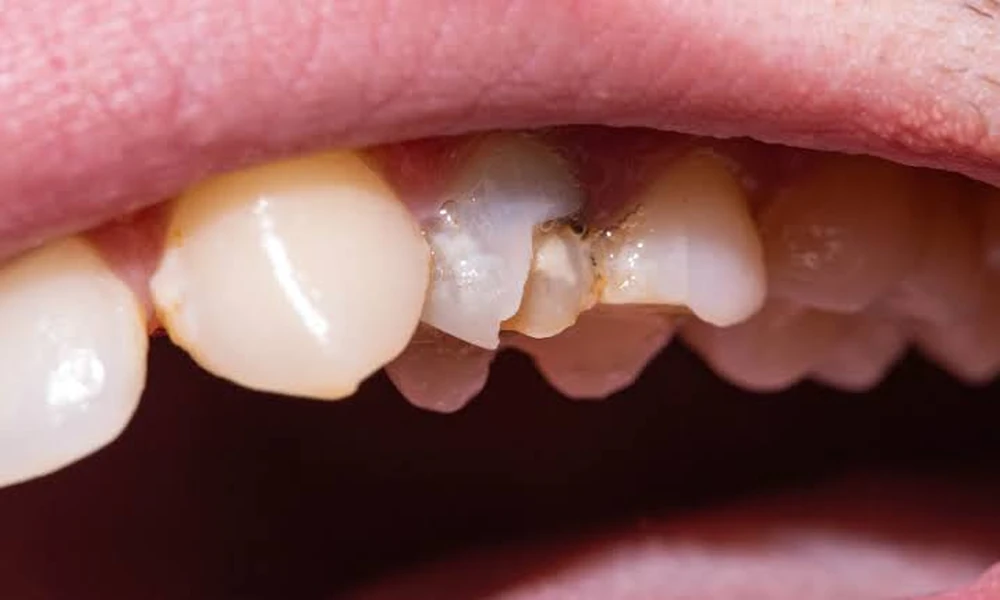
You catch your smile in a mirror, a photo, or a video call and something feels off. Your teeth look darker, more yellow, maybe spotted or gray, and suddenly it is hard not to focus on it. That reaction is common. Tooth stains can feel personal even when they come from everyday habits, past treatment, aging, or health changes you did not choose. For patients seeking Lancaster CA dental care services, these concerns are familiar and understandable.
The hard part is that not all discoloration means the same thing, and not all whitening methods work on every type of stain. Some teeth respond well to bleaching. Others need bonding, veneers, or treatment for an underlying issue first. If you have been wondering why store bought strips helped someone else but did almost nothing for you, the cause is usually the reason.
Surface stains often respond to whitening, but only when the enamel is the real issue
Coffee, tea, red wine, tobacco, and deeply pigmented foods can leave stains on the outer layer of the tooth. These are extrinsic stains, which means they sit on the enamel. They build slowly, so you may not notice the change until your smile looks dull across the whole mouth.
This is the version most people picture when they think about whitening. Professional whitening and some over the counter products can help, although the ADA guidance on whitening makes it clear that safety and results depend on the product and your oral health. If your enamel is healthy and the discoloration is mostly on the surface, whitening is often the simplest cosmetic dental solution.
Aging changes the color of teeth even when you brush well
Teeth do not stay the same shade for life. Enamel thins with age, and the yellow dentin underneath shows through more. This can make teeth look darker even if they are clean. You might feel frustrated because you are doing everything right and your smile still looks older than it used to.
Age related discoloration can improve with professional whitening, but the result may be softer than you expect if the dentin is showing strongly. In those cases, bonding or veneers may create a more even, brighter look than bleaching alone. This is one reason different causes of tooth stains need different plans.
Medication related discoloration often sits deeper than the surface
Some antibiotics, especially tetracycline taken during tooth development, can cause gray, brown, or banded staining inside the tooth structure. Certain mouth rinses and medications can also darken teeth over time. According to MedlinePlus information on tooth discoloration, medicine is one of several recognized causes.
These stains are harder to lift because they are intrinsic, not just on top of the enamel. Whitening may help a little, but many people get better results from veneers or bonding that cover the color rather than trying to bleach it away.
Fluorosis creates white or brown marks that whitening can make look more uneven
Dental fluorosis happens when too much fluoride affects teeth while they are still developing. Mild cases can show as faint white lines or patches. More noticeable cases can include brown marks and changes in enamel texture. The CDC page on dental fluorosis explains how this develops and why it is different from decay.
Whitening can brighten the surrounding tooth and make white fluorosis spots stand out more. That catches people off guard. Cosmetic options such as microabrasion, bonding, or veneers are often a better fit depending on how visible the marks are.
Trauma can turn one tooth gray, brown, or dark yellow
If one tooth has changed color after a fall, sports injury, or old accident, that is a different category entirely. A darkening tooth may mean the inner tissue was damaged. This is not just a cosmetic issue. It may need an exam, X rays, and possibly root canal treatment before any appearance based work is done.
Once the tooth is healthy, internal whitening, bonding, or a crown may be the right next step. When one tooth looks much darker than the rest, trying random whitening kits at home usually leads to disappointment.
Decay and old dental work can mimic simple staining
Brown spots are not always harmless stains. Cavities, leaking fillings, and worn restorations can change the color of part of a tooth. Silver fillings can also create a gray cast in the surrounding tooth structure over time. You may think you need whitening when what you really need is repair.
This is where a cosmetic plan and a general dental exam should go together. Treating the health problem first protects the tooth and gives you a result that actually lasts. A tooth discoloration treatment plan is only as good as the diagnosis behind it.
Enamel wear and genetics shape how bright teeth can look
Some people naturally have thicker, lighter enamel. Others have enamel that is more translucent or wears down faster from grinding, acid, or aggressive brushing. Even when two people use the same whitening product, the result can look very different.
When enamel is thin, whitening can only do so much. Bonding or veneers may be more predictable if your goal is a lighter, more uniform smile. This is why dental cosmetic solutions for stained teeth are not one size fits all.
Home whitening and professional cosmetic dentistry solve different problems
| Cause of discoloration | What it often looks like | Best cosmetic approach | Why DIY may fall short |
|---|---|---|---|
| Food, drink, tobacco stains | Yellow or brown surface staining | Professional whitening, cleaning | May work slowly or unevenly |
| Aging | Overall yellowing or dullness | Whitening, bonding, veneers | Cannot thicken enamel or hide deep dentin color |
| Medication staining | Gray, brown, banded discoloration | Veneers or bonding | Bleaching often has limited effect |
| Fluorosis | White spots, brown marks | Microabrasion, bonding, veneers | Whitening can increase contrast |
| Trauma | One dark tooth | Dental exam, internal whitening, crown | May miss an internal health problem |
| Decay or old restorations | Localized brown or gray areas | Repair first, then cosmetic work | Whitening does not treat damage |
Clear steps help you avoid wasting time and money
Look at the pattern. If all teeth are gradually yellow, surface stains or aging may be the issue. If one tooth is dark, or if you see white spots or brown patches, the cause may be deeper and needs a closer look.
Stop guessing with whitening products. If you have tried strips or whitening toothpaste without much change, that tells you something useful. The stain may be inside the tooth, tied to enamel changes, or related to old dental work.
Get a cosmetic and general dental evaluation together. A smile upgrade works best when the teeth are healthy first. In a General And Cosmetic Dental And Medical Spa setting, the right plan may include cleaning, whitening, bonding, veneers, or repair, depending on what caused the color change.
You do not need to settle for a smile that feels tired or uneven, and you do not need to keep spending money on the wrong fix. When the cause of discoloration is clear, the next step gets easier. If your smile has changed and you want options that fit the real problem, schedule a professional evaluation and ask which cosmetic treatment matches your teeth, not someone else’s.
